
Taiyukan Turns Akihabara Into Taiwan's Premier Travel Showcase in 2026
Taiwan Tourism Administration launches Taiyukan 2026 in Tokyo's Akihabara, transforming the iconic district into an immersive cultural gateway. The event targets Japan's tech-savvy travelers with sensory experiences, regional showcases, and cultural performances designed to boost bilateral tourism.

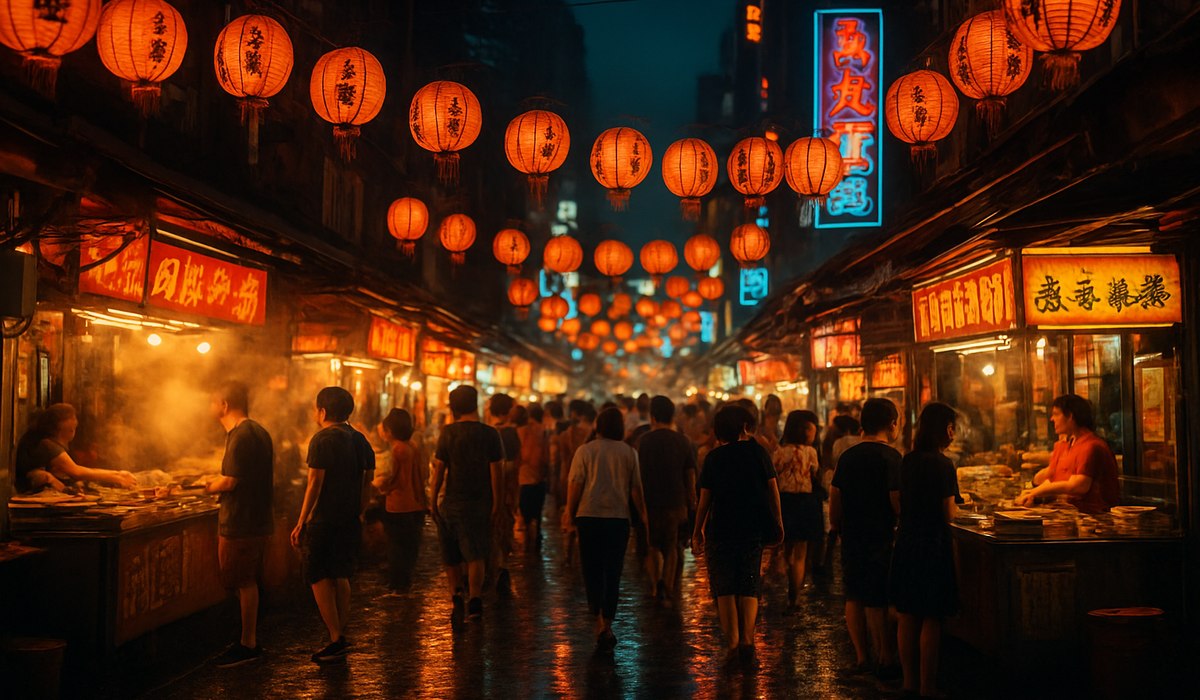
Image generated by AI
Akihabara's Electronics District Becomes Taiwan's Cultural Gateway
Taiyukan 2026 has officially transformed Tokyo's Akihabara into a destination portal for Taiwan, marking a strategic pivot in how the Taiwan Tourism Administration promotes the island to Japan's travel-conscious population. The large-scale cultural showcase debuted over April 11-12 at Akiba Square, drawing consistent crowds eager to experience Taiwan through immersive installations, live performances, and interactive regional exhibitions. This initiative represents one of Taiwan's most ambitious international tourism promotions in Japan this year, leveraging Akihabara's massive daily foot traffic and its reputation as a hub for experience-driven events.
The transformation of Akiba Square from a typical pop culture venue into a comprehensive Taiwan experience underscores how tourism boards are reimagining destination marketing in 2026. Rather than relying solely on brochures and video presentations, the event positions itself as a "sensory gateway" where visitors encounter Taiwan's essence through carefully orchestrated soundscapes, atmospheric lighting, regional aromas, and hands-on cultural activities that evoke everything from night market energy to temple festival atmospheres.
Akiba Square Becomes Sensory Taiwan Gateway
The physical layout of Taiyukan turns Akihabara's Akiba Square into a microcosm of Taiwan's geographic and cultural diversity. Event organizers divided the venue into themed zones that guide visitors on a conceptual journey from northern Taiwan and Taipei southward through central regions, with dedicated exhibition areas exploring island territories and indigenous heritage. This zonal approach ensures that first-time visitors grasp Taiwan's regional variations while repeat travelers discover new perspectives on familiar destinations.
Large-format visual installations featuring iconic skylines, mountain railway scenes, and dramatic coastal landscapes create an immersive backdrop for tourism counters staffed by regional travel offices, airline representatives, and tour operators. These booths actively promote new itineraries, seasonal packages, and specialized travel themes rather than standard sightseeing circuits. The venue design deliberately challenges visitors to spend extended time exploring multiple zones, encouraging deeper engagement with Taiwan's multifaceted identity beyond quick snapshots of Taipei 101 or Jiufen Old Street.
Atmospheric design elements elevate the experience beyond typical tourism fairs. Curated soundscapes blend traditional instruments with contemporary ambient music, while carefully selected aromas—from jasmine tea to street food—trigger sensory associations with specific regions. This multisensory approach acknowledges that today's Japanese travelers, particularly younger audiences and repeat visitors, expect memorable experiences rather than passive information consumption.
Zoned Experience Guides Visitors Across Taiwan Regions
The structured progression through Taiyukan turns regional identity into interactive learning pathways. Northern zones highlight Taipei's urban attractions, hot spring resorts, and contemporary art scenes, appealing to convenience-focused travelers. Central exhibits showcase destinations like Sun Moon Lake, Jiufen, and tea plantation regions, targeting visitors interested in natural landscapes and culinary tourism. Southern sections present Kenting's beach culture, Kaohsiung's waterfront development, and Tainan's historical significance.
Dedicated indigenous culture zones celebrate Taiwan's aboriginal heritage through authentic performances, craft demonstrations, and storytelling that connect cultural practices to sustainable tourism opportunities. This representation addresses growing interest among Japanese travelers in authentic cultural encounters and ethically-conscious travel experiences. Islands and coastal territories receive special attention, with exhibits promoting lesser-known destinations like Kinmen, Matsu, and Orchid Island that appeal to adventurous travelers seeking alternatives to mainstream tourism routes.
Each zone includes workshop stations, food sampling areas, and product displays that transform passive observation into active participation. This engagement-first approach reflects how modern destination marketing has shifted from broadcasting destination images toward inviting travelers to co-create their travel narratives through hands-on experiences and direct dialogue with local representatives.
Cultural Performances and Interactive Workshops Anchor Programming
Taiyukan turns Akihabara into a performance stage for Taiwan's cultural calendar, rotating between traditional music and dance, contemporary artistic expressions, and indigenous cultural troupes throughout each event day. These aren't standalone entertainment pieces—each performance is framed as an introduction to specific regions, seasonal festivals, or cultural practices that travelers might encounter during actual Taiwan visits.
Harvest ritual performances connect visitors to agricultural seasons and night market festivals. Maritime heritage presentations highlight coastal communities and seafood-focused culinary traditions. Urban creative scene showcases introduce Taiwan's vibrant art, design, and music landscapes in contemporary cities. This contextual framing transforms cultural performances from mere spectacle into gateway experiences that motivate attendees to deepen their exploration during future Taiwan trips.
Hands-on workshops form the programming's backbone. Taiwanese breakfast culture sessions include miniature demonstrations of signature dishes like danbing and youtiao, teaching visitors about the meal traditions they'll encounter in Taiwan's neighborhoods. Tea aroma blending experiences introduce participants to oolong varieties and high-mountain tea characteristics, transforming casual tea drinking into a cultural learning opportunity. Lantern festival craft activities and night market exploration workshops engage families and provide activity-based learning for younger travelers.
Food sampling counters extending beyond workshops present regional snacks, condiments, and ready-to-drink beverages as both immediate souvenirs and introductions to regional travel themes. This food-centric approach leverages Japanese travelers' well-documented interest in culinary tourism while creating memorable sensory associations that influence future destination decisions.
Strategic Targeting of Japan's Young and Repeat Travelers
The Taiwan Tourism Administration specifically designed Taiyukan turns Akihabara as a platform reaching Japan's experience-driven outbound travel market, which has rebounded significantly in 2026. Recent industry data indicates that bookings from Japan to nearby markets, particularly Taiwan, have climbed considerably compared with previous years, with travelers increasingly seeking culture-rich experiences beyond standard sightseeing packages.
Japan's repeat visitor segment to Taiwan has grown substantially, creating a market receptive to specialized travel themes beyond introductory highlights. These travelers are actively seeking hot spring routes, cycling adventures, scenic rail journeys, and culinary tours that Taiwan actively promotes through Taiyukan's messaging. The event deliberately targets this demographic through workshop programming, advanced culinary demonstrations, and specialized itinerary presentations unavailable at typical tourism fairs.
Younger Japanese travelers represent another crucial audience segment. Akihabara's evolution from pure electronics commerce hub to a diversified entertainment and events destination aligns perfectly with how Taiwan repositions itself as innovation-driven, creative, and culturally vibrant rather than solely tradition-focused. This strategic venue choice signals that Taiwan tourism development embraces contemporary culture, technology, design, and lifestyle experiences alongside heritage attractions.
Why Akihabara's Evolution Makes It the Perfect Venue
Akihabara's transformation over the past decade from electronics-focused retail district to multifaceted events and entertainment hub directly explains why the Taiwan Tourism Administration selected it for Taiyukan turns Akihabara into a cultural gateway. The district now hosts international destination showcases, product launches, pop culture festivals, and immersive brand experiences—infrastructure perfectly suited for large-scale tourism promotions.
The location benefits from extraordinary daily pedestrian traffic, attracting both residents and tourists who already exhibit openness to new experiences and exploration. Akihabara's demographic skews toward younger audiences, tech-savvy professionals, and travelers seeking cutting-edge experiences—precisely the populations most likely to respond to Taiwan's positioning as a modern, innovation-embracing destination with equal emphasis on heritage and contemporary culture.
Previous successful international destination promotions in Akihabara established visitor expectations for high production value, interactive programming, and professional execution. This precedent raised the bar for Taiyukan 2026, pushing organizers to invest in sophisticated sensory design, quality performances, and premium food and beverage offerings that exceed typical tourism fair standards. The venue's reputation for hosting distinctive experiences created built-in credibility and visitor anticipation even before the event opened
Disclaimer
This article is for informational and educational purposes only. It does not constitute legal, financial, or professional advice. While we strive to provide accurate and up-to-date information, travel policies, regulations, and conditions change rapidly. Always verify information with official sources before making travel decisions. Nomad Lawyer makes no representations about the accuracy, reliability, completeness, or suitability of the information provided. Readers should consult qualified professionals for advice specific to their circumstances. The views expressed in this article are those of the author and do not necessarily reflect the views of Nomad Lawyer.
Kunal K Choudhary
Co-Founder & Contributor
A passionate traveller and tech enthusiast. Kunal contributes to the vision and growth of Nomad Lawyer, bringing fresh perspectives and driving the community forward.
Learn more about our team →