
Sweet Deal? American Airlines Pays 5 People $1,200 Each To Leave Because Plane Was Too Heavy
Five passengers on an American Eagle flight were offered $1,200 each to voluntarily give up their seats after the aircraft was deemed too heavy for safe departure. The incident, which went viral on social media, highlights how airlines manage weight-and-balance challenges during routine pre-departure checks.

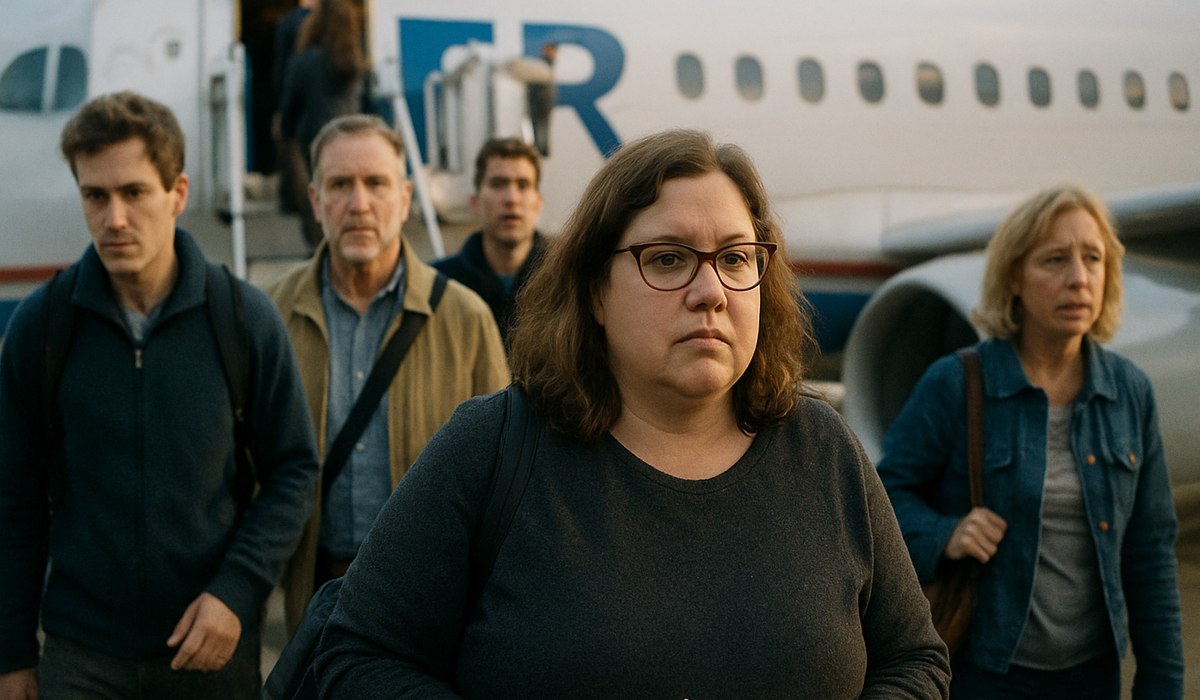
Image generated by AI
Sweet Deal? American Airlines Pays 5 People $1,200 Each To Leave Because Plane Was Too Heavy
Five passengers on a recent American Eagle flight were offered $1,200 each to voluntarily give up their seats after the aircraft was deemed too heavy for safe departure. The incident, which gained attention through a viral social media thread, involved a feeder flight operated under the American Airlines banner. While the exact airport and timing were not formally disclosed in official statements, the situation appears to have unfolded during routine pre-departure weight-and-balance checks. The airline sought volunteers to reduce overall aircraft weight and ensure compliance with safety requirements.
What Happened on This American Eagle Flight?
The situation unfolded like many oversold flight scenarios, but with an interesting twist. Rather than dealing with a typical overbooking issue, American Airlines faced a weight-and-balance problem that required immediate action before takeoff. During standard pre-departure procedures, the aircraft was calculated to be over its maximum takeoff weight, making safe departure impossible without reducing the load.
Instead of forcing passengers off the flight, American Airlines made an offer: leave voluntarily and receive $1,200 in compensation. Five passengers accepted the deal, solving the airline's problem while providing a financial incentive to those willing to be flexible with their travel plans.
Why Was the Plane Too Heavy?
Aircraft weight-and-balance calculations are critical safety parameters. Every flight must account for:
- Passenger weight (including carry-on luggage)
- Checked baggage
- Fuel load
- Crew and catering supplies
- Aircraft equipment and fixtures
When the combined weight of all these factors exceeds the maximum takeoff weight (MTOW) for specific weather and runway conditions, the aircraft cannot safely depart. In this case, the calculation revealed that reducing passenger count was the simplest solution to achieve compliance with safety regulations.
The Viral Social Media Response
The story gained traction online when passengers shared their experience on social media platforms. While $1,200 might seem like generous compensation for missing a flight, the viral thread sparked debate about:
- Whether this was truly a "sweet deal"
- How often airlines face weight-and-balance issues
- The fairness of compensation levels
- Passenger rights in such scenarios
Most commenters agreed that $1,200 was a reasonable offer for voluntary seat relinquishment, particularly for domestic flights where the inconvenience is typically manageable.
American Airlines and Passenger Compensation
American Airlines' approach to this situation reflects industry best practices in customer service. Rather than invoking involuntary denied boarding procedures, the airline:
- Identified the problem early during pre-departure checks
- Sought voluntary solutions first
- Offered fair compensation to encourage participation
- Maintained flight operations without significant delays
This proactive approach demonstrates how airlines can handle operational challenges while prioritizing passenger satisfaction and safety simultaneously.
Understanding Weight-and-Balance Challenges
Weight-and-balance issues are more common than many travelers realize, though they don't always result in passenger compensation. Airlines must calculate these parameters for every single flight, considering:
- Aircraft type and configuration
- Weather conditions (wind, temperature)
- Runway length at departure and destination airports
- Altitude of airports (higher elevations require longer runways)
- Temperature (affects air density and lift)
When multiple factors align unfavorably, even a fully booked flight might exceed MTOW limits. In such cases, airlines must either reduce weight or cancel the flight.
What Happens to Volunteers?
Passengers who accepted the $1,200 offer likely received:
- Cash compensation or airline credit (depending on airline policy)
- Rebooking on a later flight
- Possible additional accommodations or perks
- Documentation for any travel insurance claims
American Airlines' willingness to compensate generously suggests the airline valued maintaining schedule integrity and passenger goodwill over forcing involuntary denials.
Frequently Asked Questions
Q: Is $1,200 typical compensation for giving up a seat? A: Not always. Standard Department of Transportation regulations require $200-$400 for short delays and up to $800 for longer delays. However, airlines can offer more to incentivize voluntary compliance, and $1,200 is on the generous end of the spectrum.
Q: How often do planes exceed weight limits? A: More frequently than passengers realize, though it usually doesn't make headlines. Airlines manage these situations daily through careful planning and occasionally requesting volunteers to deplane.
Q: Do I have the right to refuse to deplane for weight reasons? A: During voluntary compensation periods, yes. Only if the airline invokes involuntary denial of boarding do passengers have fewer options—though they still have legal protections and compensation rights.
Q: Could I ask for more compensation? A: In a voluntary situation like this, compensation is negotiable. If involuntary denied boarding occurs, federal regulations set minimums, but airlines may offer more to resolve the situation quickly.
Q: What should I do if my flight is oversold? A: Pay attention to gate announcements. If the airline seeks volunteers, consider whether the offered compensation meets your needs. If involuntary denied boarding occurs, document everything and know your legal rights.
Q: Does this happen with major carriers only? A: No, regional carriers like American Eagle (operating under the American Airlines brand) also manage these situations regularly. Smaller aircraft are actually more prone to weight-and-balance challenges due to their limited capacity.
The Bottom Line
Five passengers on an American Eagle flight walked away with a cool $1,200 each after a routine pre-departure weight-and-balance check revealed the aircraft exceeded safe takeoff limits. While the situation highlighted an operational challenge airlines face regularly, American Airlines' generous voluntary compensation approach turned a potential passenger relations issue into a feel-good travel story.
Whether you'd consider it a sweet deal depends on your perspective—but for those five passengers, missing one flight in exchange for extra cash and a rebooking certainly seemed worthwhile.
Have you experienced airline oversold flights or compensation scenarios? Share your story in the comments below!
Disclaimer
This article is for informational and educational purposes only. It does not constitute legal, financial, or professional advice. While we strive to provide accurate and up-to-date information, travel policies, regulations, and conditions change rapidly. Always verify information with official sources before making travel decisions. Nomad Lawyer makes no representations about the accuracy, reliability, completeness, or suitability of the information provided. Readers should consult qualified professionals for advice specific to their circumstances. The views expressed in this article are those of the author and do not necessarily reflect the views of Nomad Lawyer.
Preeti Gunjan
Contributor & Community Manager
A passionate traveller and community builder. Preeti helps grow the Nomad Lawyer community, fostering engagement and bringing the reader experience to life.
Learn more about our team →