
Super Typhoon Inday Triggers Massive Travel Disruptions Across Philippines, Japan, Taiwan, and China in July 2026
Super Typhoon Inday has entered the Philippine Area of Responsibility, causing widespread ferry cancellations and hazardous sea conditions across the Western Pacific region.

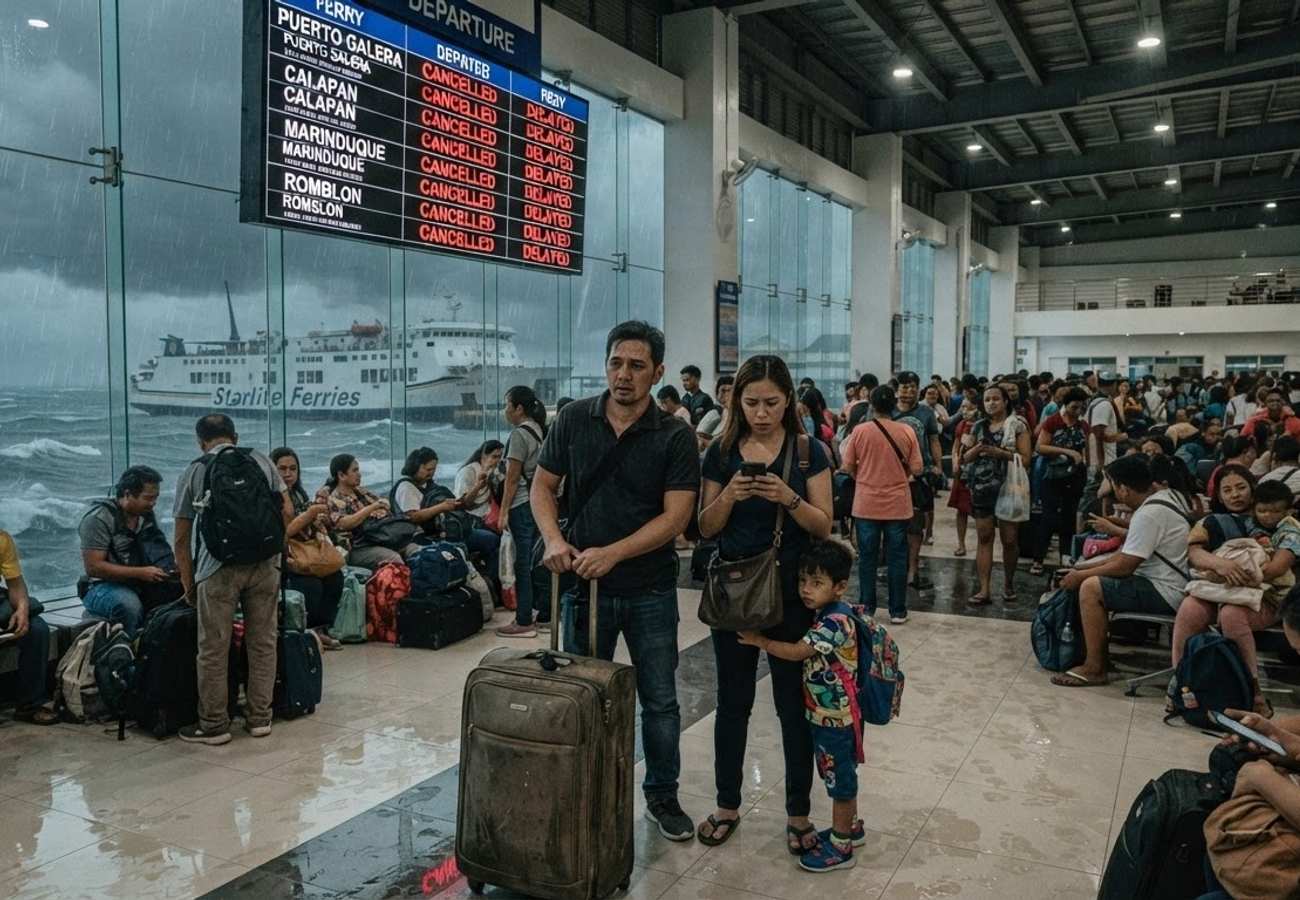
Image generated by AI
[Manila, July 8, 2026] — Regional transport networks are facing severe instability as Super Typhoon Inday entered the Philippine Area of Responsibility (PAR) on July 8, 2026, triggering immediate ferry cancellations and hazardous maritime conditions. Meteorological agencies in Japan, Taiwan, and China are currently monitoring the system, which poses a significant threat to island connectivity and coastal tourism across the Western Pacific.
The storm, known internationally as Bavi, has reached "Super Typhoon" status, creating a high-risk environment for passengers relying on sea-based transit. With maximum sustained winds reported near the center at 220 km/h as of 8:00 a.m. HKT on July 8, the system is capable of disrupting logistics far beyond its immediate center.
Maritime Connectivity Risks in the Philippines
The Philippines is currently the primary focal point of the storm's impact. Because of the nation's archipelagic geography, the transport of tourists and locals relies heavily on a complex web of ports, ferries, and small motorized vessels to connect mainland hubs with dive spots, beaches, and remote coastal towns.
According to PAGASA, the storm's presence within the PAR has already begun to destabilize sea movement. Industry observers note that routes connecting Batangas, Mindoro, Puerto Galera, and Calapan are particularly vulnerable. Similarly, southern routes serving Zamboanga, Sulu, and Tawi-Tawi are facing heightened risks as sea states deteriorate.
For international travelers, this translates to a high probability of stranded connections. While major airports may remain operational, the "last mile" of travel—the ferry transfer from a port to an island resort—is frequently the first point of failure during a super typhoon event.
Coastal Exposure and Monitoring in Taiwan
Taiwan’s Central Weather Administration has identified Typhoon Bavi as a powerful system characterized by exceptionally low pressure and intense wind speeds. While a direct landfall is not the only way for a storm to cause damage, the primary risk for travelers in Taiwan is coastal exposure.
Strong rain bands and volatile sea conditions can impact those planning offshore island excursions or coastal drives. Authorities suggest that travelers should not assume forecasts are static, as the trajectory of a super typhoon can shift, rapidly altering the safety profile of coastal hiking and marine activities.
Regional Vigilance and Aviation Status in Japan
Japan is maintaining a state of regional monitoring as the Western Pacific storm progresses. Given that summer travel typically peaks during this period, the Japan Meteorological Agency (JMA) and various transport bodies are tracking the system to determine if a shift in the storm's track will necessitate flight alterations or sea travel warnings.
Current data indicates that there have been no official, airline-wide cancellations linked to Inday in Japan at this time. However, aviation planning remains fluid, and travelers are advised to monitor carrier-specific notifications rather than assuming flight schedules are unaffected.
Marine Hazards and Port Status in China and Hong Kong
The Hong Kong Observatory has tracked Bavi's intensity, confirming its status as a Super Typhoon with high sustained wind speeds. This presents a direct threat to maritime operations in southern and eastern China.
The risk is most acute for those utilizing cruises, ferries, and port-based transport. As the storm moves, the potential for downstream weather alerts means that itineraries for coastal tours may be subject to sudden changes or total suspension to ensure passenger safety.
Verified Regional Travel Impact Analysis
The following table outlines the current status and recommended actions for travelers in the affected regions:
| Country / Region | Current Verified Situation | Main Traveller Risk | Best Traveller Action |
|---|---|---|---|
| Philippines | PAGASA confirmed Super Typhoon Inday inside PAR on 8 July 2026. | Ferry cancellations, dangerous seas, port delays and island transfer disruption. | Check PAGASA, port notices and ferry operators before travel. |
| Taiwan | Central Weather Administration listed Typhoon Bavi with low pressure and strong winds. | Possible wind, rain and coastal sea risk depending on track. | Monitor local weather alerts before coastal trips. |
| Japan | Regional monitoring of western Pacific typhoon movement ongoing. | Possible rough seas or future travel monitoring if track shifts. | Check JMA and transport updates before marine travel. |
| China / Hong Kong | Hong Kong Observatory tracked Bavi as a Super Typhoon with high wind intensity. | Coastal sea danger, possible downstream weather alerts. | Follow official warnings before ferry, cruise or coastal travel. |
Current Status of Transport Infrastructure
The impact of Super Typhoon Inday varies significantly by transport mode, with sea travel bearing the brunt of the disruptions.
| Transport Type | Confirmed Status From Verified Data | Traveller Meaning |
|---|---|---|
| Ferries / Sea vessels | Strongest confirmed travel risk; widespread disruptions. | Passengers may face cancellations, port delays and stranded connections. |
| Airlines | No official airline-wide cancellations verified from government sources. | Do not assume flights are cancelled. Check airline and airport status. |
| Ports | Operations may change rapidly under typhoon conditions. | Reconfirm status before departing for the port. |
| Tour packages | Island tours may be delayed or rescheduled. | Inquire with operators regarding refund, rebooking and safety policies. |
Why This Matters: The Connectivity Gap
The emergence of Super Typhoon Inday highlights a critical vulnerability in Western Pacific tourism: the "connectivity gap." In many of these regions, air travel is only the first leg of a journey. The reliance on maritime transit for the final stage of a trip creates a bottleneck where a single weather event can effectively isolate thousands of travelers, even if international flights are landing normally.
When a super typhoon occurs, the disruption is not merely a matter of rain and wind; it is a systemic failure of transport links. This creates a ripple effect: missed hotel check-ins lead to overbooked emergency accommodations, and cancelled island-hopping tours place immense pressure on local tour operators to provide refunds or rescheduling. For the travel industry, this underscores the necessity of flexible booking policies and the importance of real-time, localized communication over generalized travel advisories.
Essential Guidelines for Affected Travelers
To mitigate the risks associated with Super Typhoon Inday, travelers are urged to adopt a proactive approach:
- Verify Before Departure: Confirm ferry and port status directly with operators before leaving your hotel or airport.
- Prioritize Safety: Avoid all non-essential sea travel when rough-sea advisories are in effect.
- Maintain Flexibility: Ensure hotel and tour bookings are flexible, especially when traveling to remote islands.
- Buffer Time: Add at least one extra travel day to itineraries when connecting from island resorts to international flights.
- Official Sources Only: Rely on government meteorological agencies (PAGASA, JMA, CWA) rather than unverified social media reports for final travel decisions.
Travelers are strongly advised to maintain a flexible itinerary and prioritize safety over schedule adherence until the storm clears the region.
Related Travel Guides
Disclaimer
This article is for informational and educational purposes only. It does not constitute legal, financial, or professional advice. While we strive to provide accurate and up-to-date information, travel policies, regulations, and conditions change rapidly. Always verify information with official sources before making travel decisions. Nomad Lawyer makes no representations about the accuracy, reliability, completeness, or suitability of the information provided. Readers should consult qualified professionals for advice specific to their circumstances. The views expressed in this article are those of the author and do not necessarily reflect the views of Nomad Lawyer.
Preeti Gunjan
Contributor & Community Manager
A passionate traveller and community builder. Preeti helps grow the Nomad Lawyer community, fostering engagement and bringing the reader experience to life.
Learn more about our team →