
Storm Driven Delays Snarl Toronto Pearson With 160+ Flight Disruptions
Spring storms trigger cascading disruptions at Toronto Pearson International Airport in April 2026, with 160+ delays and 18 cancellations exposing Canada's air network sensitivity to severe weather events.

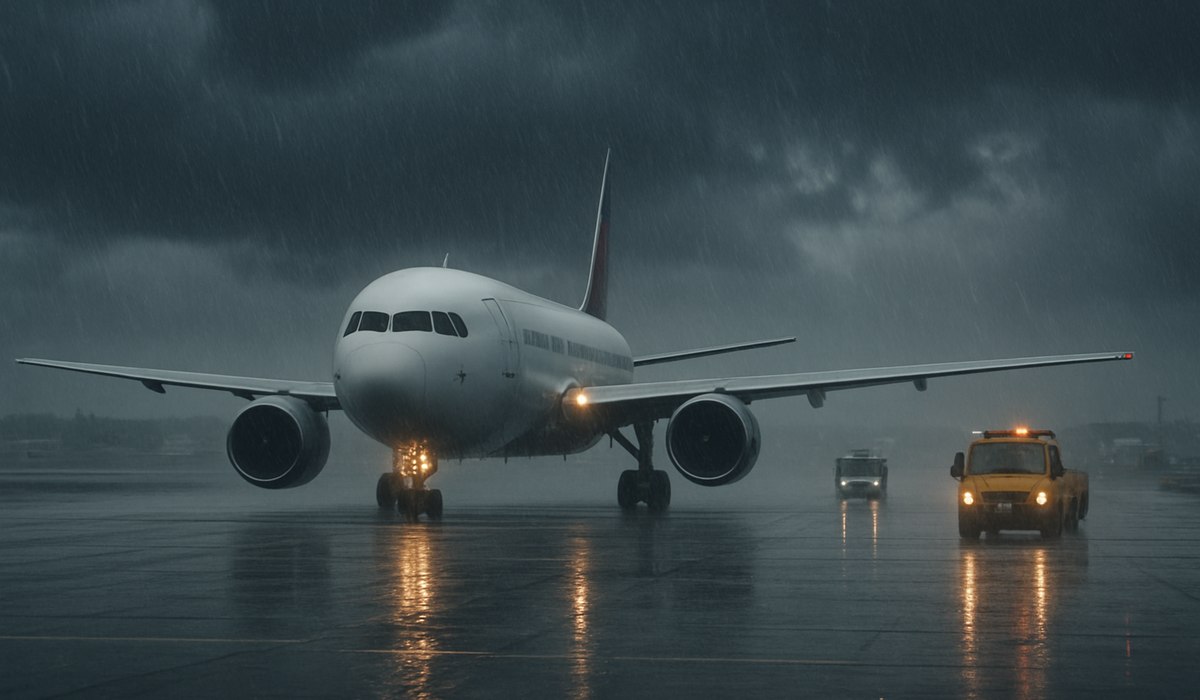
Image generated by AI
Spring Storms Push Canada's Busiest Hub Into Turmoil
Toronto Pearson International Airport faced unprecedented operational chaos on April 7, 2026, as severe spring weather systems swept across central and eastern Canada. The early April storm delivered a one-day tally of 162 flight delays and 18 cancellations, affecting major carriers including Air Canada, WestJet, Air Canada Rouge, Delta, Lufthansa, and regional operators across North America and Europe. The disruption marks another critical reminder that Canada's busiest aviation hub remains extraordinarily vulnerable to weather collisions, particularly during seasonal transition periods when atmospheric conditions shift rapidly.
Flight tracking data from real-time aviation monitoring platforms revealed that Pearson consistently ranked at or near the top of Canada's most-affected airports by operational volume. The storm systems brought snow, freezing rain, and below-seasonal temperatures to Ontario, triggering cascading delays that rippled across connecting networks far beyond Toronto's airspace. Passengers heading to European destinations, U.S. gateway cities, and regional Canadian markets all experienced extended wait times and rebooking complications as aircraft and crews fell behind schedule.
De-Icing Backlogs and Runway Constraints Drive Cascading Delays
The mechanical breakdown of April 7's disruption reveals how quickly weather impacts compound across interconnected flight networks. Toronto Pearson's de-icing operations became severely congested as multiple aircraft required simultaneous treatment before departure clearance. Runway capacity contracted as ground crews prioritized safety protocols, reducing arrival and departure rates by an estimated 30-40% during peak weather periods.
This operational squeeze created a domino effect: aircraft that should have departed for afternoon connections instead sat idle. Crews exceeded duty-time limits while waiting for runway access. International flights to Frankfurt, London, and Paris experienced departure delays exceeding two hours, forcing transatlantic passengers to miss critical connection windows at European hubs. U.S.-bound traffic to New York, Chicago, and Boston faced similar extensions, compounding congestion within already-saturated American airspace. For passengers, these cascading delays translated into rebooked flights on later departures—or in some cases, overnight stays at unexpected airports.
Industry analysis of Canada's 2025-2026 travel season confirmed that while total capacity has largely recovered from previous disruption cycles, the air transport system remains hypersensitive to simultaneous weather, crew rotation, and congestion challenges. A relatively small number of direct cancellations can trigger hundreds of secondary delays as networks attempt to rebalance.
Network-Wide Disruption: 400+ Delays Across Canada in Early April
The April 7 storm represented only one peak in a multi-day disruption pattern. Flight tracking data compiled across the Easter and early April 2026 period revealed over 400 delayed flights and dozens of cancellations nationwide. Montreal, Ottawa, Halifax, Calgary, and Vancouver airports all reported cascading knock-on effects as aircraft and crews that began service in Toronto subsequently arrived late into regional markets.
This network-wide snarl demonstrates how Pearson functions as Canada's central aviation hub: disruptions there propagate outward like ripples. A single delayed departure from Toronto can compress the entire day's schedule at regional airports. Jazz Air regional flights suffered particular exposure, with tight turnarounds preventing recovery. Porter Airlines flights on Toronto-to-U.S. Northeast routes also experienced extended delays. For travelers connecting through Canadian cities, the impact meant missed connections and extended itineraries.
European carriers operating transatlantic services from Pearson faced compounded pressure from both Canadian weather constraints and airport curfews at their home bases. A flight delayed departing Toronto at 7 p.m. might miss its Frankfurt arrival slot entirely, forcing rebooking into the following day's schedule and requiring passengers to secure overnight accommodation.
What Travelers Should Expect as Weather Continues
Late spring weather systems typically develop rapid-cycle patterns across central and eastern North America between April and mid-May. Travelers booking flights through Toronto Pearson during this period should anticipate:
Increased delay likelihood: Historical data shows April average delay rates at Pearson exceed November through March periods by 15-25%. Storm-driven delays can accumulate quickly once visibility drops below 1/4 mile or precipitation exceeds 1 inch per hour.
Extended rebooking windows: Airlines with limited alternative aircraft may require 24-48 hours to fully reschedule disrupted passengers. Rebooking onto competitor flights can mean additional out-of-pocket costs if your airline declines to provide confirmed alternative service.
De-icing operation impacts: Winter aircraft de-icing procedures can extend ground times by 20-40 minutes per operation. During high-demand periods, de-icing queues can reach 90+ minutes, further compressing runway availability.
Checking real-time flight status on FlightAware provides live tracking of actual departure times, allowing travelers to adjust ground transportation and hotel reservations dynamically. The FAA's official operations status page tracks broader North American network impacts.
Affected Airlines and Routes: Breakdown by Carrier
Air Canada and Air Canada Rouge absorbed the highest number of recorded disruptions on April 7, operating the largest single-carrier schedule through Pearson. WestJet flights experienced comparable proportional impacts, though smaller total volume. Delta and other U.S. carriers faced compounded challenges from both Canadian weather and congestion within U.S. airspace. Lufthansa, Air France, and British Airways all reported schedule changes on transatlantic services. Here is the documented carrier exposure:
| Airline | Delays | Cancellations | Primary Routes Affected |
|---|---|---|---|
| Air Canada | 58 | 7 | Toronto-Montreal, Toronto-Vancouver, Toronto-New York |
| WestJet | 34 | 4 | Toronto-Calgary, Toronto-Edmonton, Toronto-Las Vegas |
| Air Canada Rouge | 28 | 3 | Toronto-Cancun, Toronto-Fort Lauderdale |
| Delta Air Lines | 22 | 2 | Toronto-Atlanta, Toronto-New York, Toronto-Boston |
| Lufthansa | 12 | 1 | Toronto-Frankfurt, Toronto-Munich |
| Jazz Air | 6 | 1 | Regional feed flights to Toronto |
| Porter Airlines | 2 | 0 | Toronto-Newark, Toronto-Boston |
Traveler Action Checklist
If your flight is scheduled through Toronto Pearson during spring storm season, follow these protective steps:
-
Check real-time status 24 hours before departure using FlightAware or your airline's mobile app to identify weather systems approaching Ontario.
-
Confirm de-icing procedures are not active by monitoring ground weather at Pearson; active de-icing suggests potential departure delays exceeding 45 minutes.
-
Verify your rebooking rights by reviewing the U.S. Department of Transportation's consumer protection standards, which establish airline obligations for weather-related delays.
-
Request confirmed alternative routing from your airline immediately upon notification of schedule changes; do not accept standby status without written confirmation of your rebooking.
-
Book hotels with flexible cancellation policies for overnight layovers; many airlines will not cover accommodation costs during weather delays despite rebooking obligations.
-
Arrive at Pearson 3+ hours early for international departures when spring weather forecasts include precipitation, allowing buffer time for de-icing operations.
-
Monitor your connecting airport's status separately; a Toronto delay can compress your connection window at U.S. or European hubs.
-
Document all expenses related to delays exceeding 3 hours, including meals, phone
Disclaimer
This article is for informational and educational purposes only. It does not constitute legal, financial, or professional advice. While we strive to provide accurate and up-to-date information, travel policies, regulations, and conditions change rapidly. Always verify information with official sources before making travel decisions. Nomad Lawyer makes no representations about the accuracy, reliability, completeness, or suitability of the information provided. Readers should consult qualified professionals for advice specific to their circumstances. The views expressed in this article are those of the author and do not necessarily reflect the views of Nomad Lawyer.
Kunal K Choudhary
Co-Founder & Contributor
A passionate traveller and tech enthusiast. Kunal contributes to the vision and growth of Nomad Lawyer, bringing fresh perspectives and driving the community forward.
Learn more about our team →