
Fifth-Generation Stealth Jets Establish Total Air Dominance as Military Powers Race to Close Technology Gap
Breaking airline news and aviation industry updates for 2026.

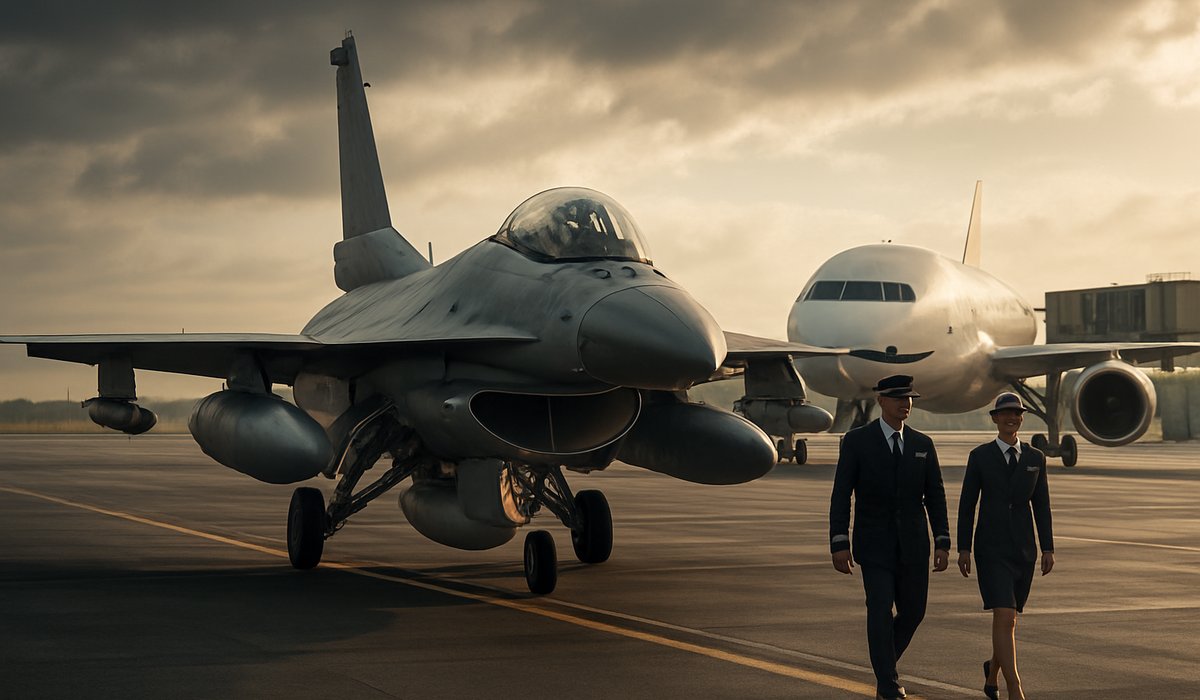
Image generated by AI
Fifth-Generation Stealth Jets Establish Total Air Dominance as Military Powers Race to Close Technology Gap
As 2026 approaches, advanced fighter aircraft fundamentally reshape global air superiority strategies, with stealth capabilities defining modern warfare
The New Hierarchy of Air Power
The contemporary battlefield has crystallized into a clear technological stratification, with fifth-generation stealth fighters emerging as the undisputed apex predators of aerial combat. As nations worldwide assess their military capabilities heading into 2026, these advanced platforms—characterized by reduced radar signatures, integrated avionics, and sensor fusion technologies—have fundamentally altered the calculus of air superiority.
The dominance of fifth-generation platforms reflects a generational leap in military aviation. Aircraft engineered with stealth principles can operate with significantly reduced detection risks, allowing them to execute missions with operational advantages their predecessors could never achieve. This technological threshold has forced military strategists globally to reassess existing fleets and accelerate modernization timelines.
The 4.5-Generation Bridge Strategy
While fifth-generation supremacy remains unchallenged, a robust intermediate tier of 4.5-generation fighters continues to demonstrate strategic relevance on modern battlefields. These aircraft—lacking the full stealth envelope of their fifth-generation counterparts—compensate through advanced sensor packages, cutting-edge weapons systems, and enhanced performance characteristics that keep them operationally viable.
Military analysts acknowledge that fourth-generation-plus platforms provide cost-effective alternatives for nations unable to acquire or maintain expensive fifth-generation fleets. These fighters feature modern avionics suites, improved radar systems, and compatibility with contemporary air-to-air and air-to-ground munitions, enabling them to remain competitive despite their visibility disadvantages.
Strategic Implications for Global Defense
The bifurcation of modern air forces into these two dominant categories reflects broader geopolitical realities. Wealthier military powers investing in fifth-generation platforms gain asymmetric advantages, while nations operating 4.5-generation fighters pursue complementary strategies that leverage numbers, regional familiarity, and cost efficiency.
This technological divide carries significant implications for international defense spending, technology transfer agreements, and coalition warfare dynamics. Nations caught between generational capabilities face mounting pressure to invest in fleet modernization, creating a cascading effect across global defense budgets.
The aerospace and defense sector continues capitalizing on these trends, with manufacturers across North America, Europe, and Asia competing for contracts to supply advanced fighter systems and upgrade existing platforms to bridge capability gaps.
FAQ: Fifth-Generation Fighters and Modern Air Superiority
What distinguishes fifth-generation fighters from earlier aircraft? Fifth-generation jets incorporate stealth technology, advanced sensor fusion, integrated avionics, and superior maneuverability, providing significant advantages in detection avoidance and combat effectiveness compared to previous generations.
Why remain fourth-generation fighters operationally relevant? Cost considerations, proven reliability, and advanced weapons integration allow 4.5-generation platforms to maintain strategic value, particularly for nations balancing budget constraints with operational requirements.
Which nations operate fifth-generation fighter jets? The United States, Russia, and China operate fifth-generation platforms, with additional nations pursuing acquisition or co-development agreements for these advanced systems.
How do stealth capabilities affect combat strategy? Reduced radar signatures allow fifth-generation aircraft to detect adversaries before being detected themselves, fundamentally changing engagement ranges, tactical approaches, and mission planning.
What does the future hold for fighter jet development? Next-generation platforms emphasizing artificial intelligence integration, hypersonic capabilities, and autonomous features represent the industry's trajectory beyond 2026.
Related Travel Guides
- Aviation Airlines Decarbonization Stumbles as Geopolitical Crisis Exposes SAF Barriers
- Flynas and Saudi Tourism Authority Launch Saudi Experiences Platform to Digitalize 150 Activities Across 15 Destinations
- Vietnam Airlines Expands India Network at Sales Kick Off 2026 in New Delhi, Signs MoUs with Ixigo and BelAir
Disclaimer
This article is for informational and educational purposes only. It does not constitute legal, financial, or professional advice. While we strive to provide accurate and up-to-date information, travel policies, regulations, and conditions change rapidly. Always verify information with official sources before making travel decisions. Nomad Lawyer makes no representations about the accuracy, reliability, completeness, or suitability of the information provided. Readers should consult qualified professionals for advice specific to their circumstances. The views expressed in this article are those of the author and do not necessarily reflect the views of Nomad Lawyer.
Kunal K Choudhary
Co-Founder & Contributor
A passionate traveller and tech enthusiast. Kunal contributes to the vision and growth of Nomad Lawyer, bringing fresh perspectives and driving the community forward.
Learn more about our team →