
Spring Storms Snarl Sun Belt Flights, Stranding Easter Travelers in 2026
Spring storms snarl Sun Belt airport hubs during peak Easter and spring break travel in 2026. Thousands stranded at Dallas, Atlanta, Orlando and Phoenix as severe weather collides with holiday demand.

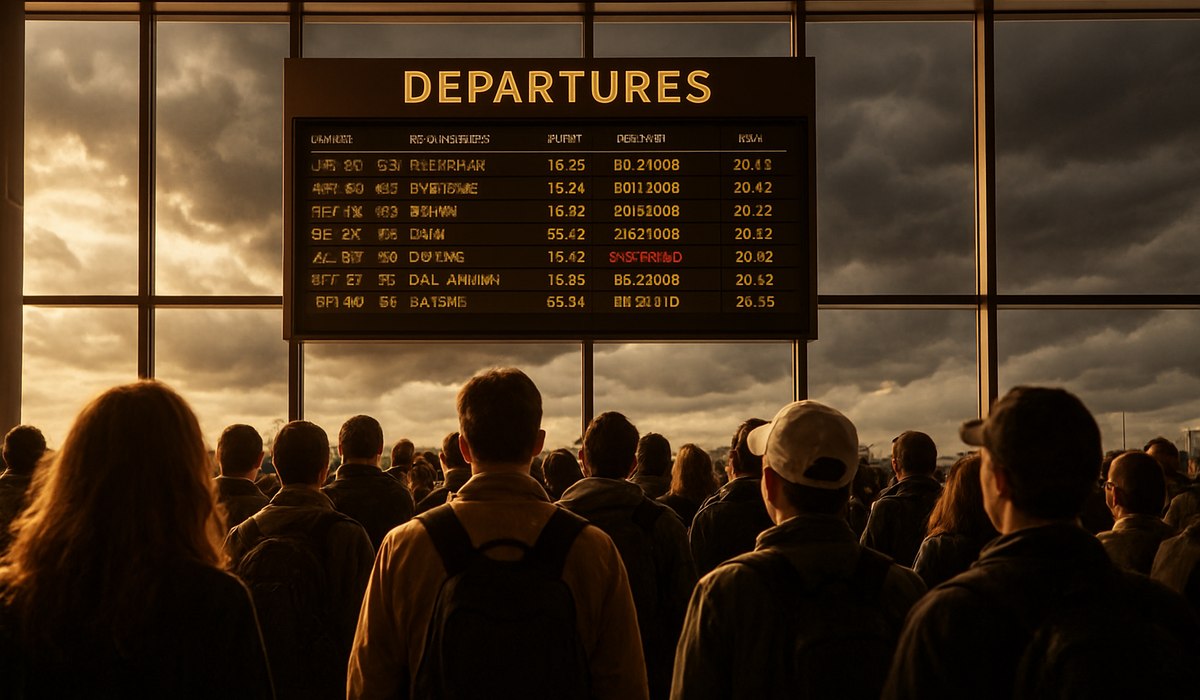
Image generated by AI
Spring Storms Snarl Sun Belt Flights During Peak Holiday Travel
Severe weather and Easter holiday demand are creating unprecedented travel chaos across major Sun Belt airline hubs, leaving thousands of passengers stranded during the busiest spring travel period of 2026. From March through early April, spring storms snarl operations at Dallas Fort Worth, Atlanta, Orlando, and Phoenix Sky Harbor, triggering cascading delays and cancellations that ripple across the entire domestic network. Flight tracking data from Easter weekend April 4 recorded 5,500+ delays and hundreds of cancellations nationwide, with Sun Belt hubs bearing the worst impact as severe thunderstorms collide with peak holiday demand.
Spring Storms and Holiday Crowds Collide Over Key Sun Belt Hubs
The convergence of volatile spring weather patterns and record-breaking holiday travel demand has transformed major Sun Belt airports into network bottlenecks. During the critical Easter period, meteorological conditions across Texas and the Southeast triggered widespread disruption when storms moved through densely scheduled flight corridors.
On Easter Saturday, April 4, 2026, flight operations nationwide experienced extreme stress. Data compiled from multiple tracking sources documented 5,500 delays and over 300 cancellations, with Dallas Fort Worth, Atlanta, Houston, and Orlando identified as the primary disruption nodes. The Texas hub alone reported dozens of cancellations alongside hundreds of delayed departures and arrivals, creating downstream effects across Southwest, Midwest, and East Coast connections during peak holiday rush periods.
Easter Monday, April 6, continued the trend with 4,700 documented delays and just over 300 cancellations across U.S. airspace. Dallas Fort Worth again emerged as a major hotspot, with operational disruptions affecting connections to cities as distant as Chicago and Los Angeles. Earlier spring break travel around Florida and Gulf Coast destinations had already strained network capacity throughout March, establishing fragile conditions before the Easter period intensified pressure on the same congested hub system.
Dallas, Atlanta, Orlando, and Phoenix Bear the Brunt
Dallas Fort Worth International Airport consistently served as ground zero for spring 2026 disruptions. From late March into April, delay counts regularly exceeded hundreds daily, affecting over one-third of scheduled operations on peak disruption days. Flight tracking platforms documented waves of late departures to Chicago, Orlando, Los Angeles, and transatlantic services as weather holds and equipment positioning issues compounded throughout the day.
Atlanta Hartsfield-Jackson International Airport, the world's busiest passenger terminal, recorded hundreds of delays across consecutive days in early April. Services to Florida beach destinations and secondary Sun Belt cities experienced significant slowdowns, while customer service areas grew crowded with passengers managing missed connections and limited rebooking alternatives. The cascading effect stranded connecting passengers heading toward their final destinations.
Orlando International Airport proved particularly vulnerable during late March and Easter week. Low-cost carriers and leisure airlines experienced substantial evening departure bank reductions due to weather holds and aircraft positioning challenges. When Florida airport departures are canceled, alternative seating across the national network disappears rapidly, leaving travelers stranded hundreds of miles from weather-affected areas.
Phoenix Sky Harbor International Airport experienced secondary but still significant disruption, particularly on April 8 when storms affected multiple regions. Air traffic control restrictions and knock-on congestion from other hubs created tight connection windows that evaporated, forcing unexpected overnight stays for thousands of Mountain West and California-bound travelers.
Network Strain: When Tight Schedules Meet Severe Weather
Modern airline networks operate with minimal redundancy, creating vulnerability when localized weather triggers cascading system failures. Airlines scheduled approximately 2.8 million daily passengers through March and April 2026, leaving virtually no spare aircraft or crew capacity for disruptions. When thunderstorms and air traffic control restrictions emerged over central and southeastern United States during Easter week, this limited slack immediately translated into missed connections, next-day cancellations, and stranded passengers.
The fundamental problem reflects how Sun Belt hubs function as critical connectors linking northern cities, coastal gateways, and vacation destinations. A single cancellation at Dallas or Atlanta cascades nationally when the affected aircraft and crews are scheduled for rapid turnarounds to multiple downstream cities. Flight tracking data confirms that passengers destined for connections sometimes find themselves stranded thousands of miles from their final destinations when upstream delays create domino effects.
Check real-time flight information through FlightAware to monitor delays before heading to the airport. The Federal Aviation Administration's FAA website provides additional guidance on airspace restrictions and weather impacts affecting national operations. For consumer protection information, consult the U.S. Department of Transportation regarding passenger rights during airline disruptions.
| Airport | Peak Disruption Date | Delays Recorded | Cancellations | Primary Cause | Affected Routes |
|---|---|---|---|---|---|
| Dallas Fort Worth | April 4-6, 2026 | 500+ daily | 20-30 daily | Severe thunderstorms, capacity constraints | Chicago, Orlando, Los Angeles, transatlantic |
| Atlanta | April 4-6, 2026 | 300+ daily | 15-25 daily | Spring storms, connection cascades | Florida, secondary Sun Belt cities |
| Orlando | Late March-Easter | 200+ daily | 10-20 daily | Weather holds, low-cost carrier strain | Northeast, Midwest connections |
| Phoenix | April 8, 2026 | 150+ hourly | 8-15 daily | ATC restrictions, secondary effects | Mountain West, California routes |
| Houston | April 4, 2026 | 200+ | 10+ | Thunderstorm corridor | Midwest, East Coast connections |
| Houston | April 6, 2026 | 180+ | 8+ | Residual network congestion | Multiple routes nationwide |
What Travelers Need to Know
Spring storms snarl operations unpredictably, requiring advance planning and flexible expectations. Airlines operating through Sun Belt hubs during March-April 2026 should anticipate delays even on ostensibly clear days, as upstream weather effects cascade throughout the network. The fragile scheduling environment means single-digit margins between scheduled connections disappear during weather disruptions.
Traveler Action Checklist:
-
Check weather patterns before travel dates and consider rescheduling flexible trips away from forecast severe weather windows across Texas, Georgia, and Florida.
-
Book direct flights when possible to avoid connection vulnerabilities at Dallas, Atlanta, Orlando, and Phoenix during spring travel season.
-
Monitor flight status continuously using FlightAware starting 24 hours before departure, with alerts enabled for your specific flight.
-
Allow extended connection windows of minimum 2-3 hours when spring travel through Sun Belt hubs is unavoidable.
-
Arrive early for check-in during peak holiday periods (Easter week, spring break) to secure rebooking options before flights fill during disruptions.
-
Document everything including receipts, booking confirmations, and delay documentation for potential compensation claims under DOT regulations.
-
Understand your airline's rebooking policy before travel and request written confirmation of alternative flight commitments when disruptions occur.
-
Purchase travel insurance covering weather-related cancellations for flexibility beyond standard airline policies during spring 2026.
Frequently Asked Questions
What are my rights when spring storms snarl my flight?
The U.S. Department of Transportation requires airlines to provide rebooking on the next available flight, accommodations if overnight stays become necessary, and meals during extended delays. However, weather is typically classified as "act of God," limiting compensation eligibility. Document all expenses and file complaints through the [DOT Consumer Affairs office](https://www.transportation.gov
Disclaimer
This article is for informational and educational purposes only. It does not constitute legal, financial, or professional advice. While we strive to provide accurate and up-to-date information, travel policies, regulations, and conditions change rapidly. Always verify information with official sources before making travel decisions. Nomad Lawyer makes no representations about the accuracy, reliability, completeness, or suitability of the information provided. Readers should consult qualified professionals for advice specific to their circumstances. The views expressed in this article are those of the author and do not necessarily reflect the views of Nomad Lawyer.
Raushan Kumar
Founder & Lead Developer
Full-stack developer with 11+ years of experience and a passionate traveller. Raushan built Nomad Lawyer from the ground up with a vision to create the best travel and law experience on the web.
Learn more about our team →