
Spain Tourism Trends 2026: 9.7 Million June Visitors Shift from Hotels to Private Rentals
Spain's tourism sector sees a structural shift as June 2026 arrivals hit 9.7 million, with rental housing and private stays outpacing traditional hotels.

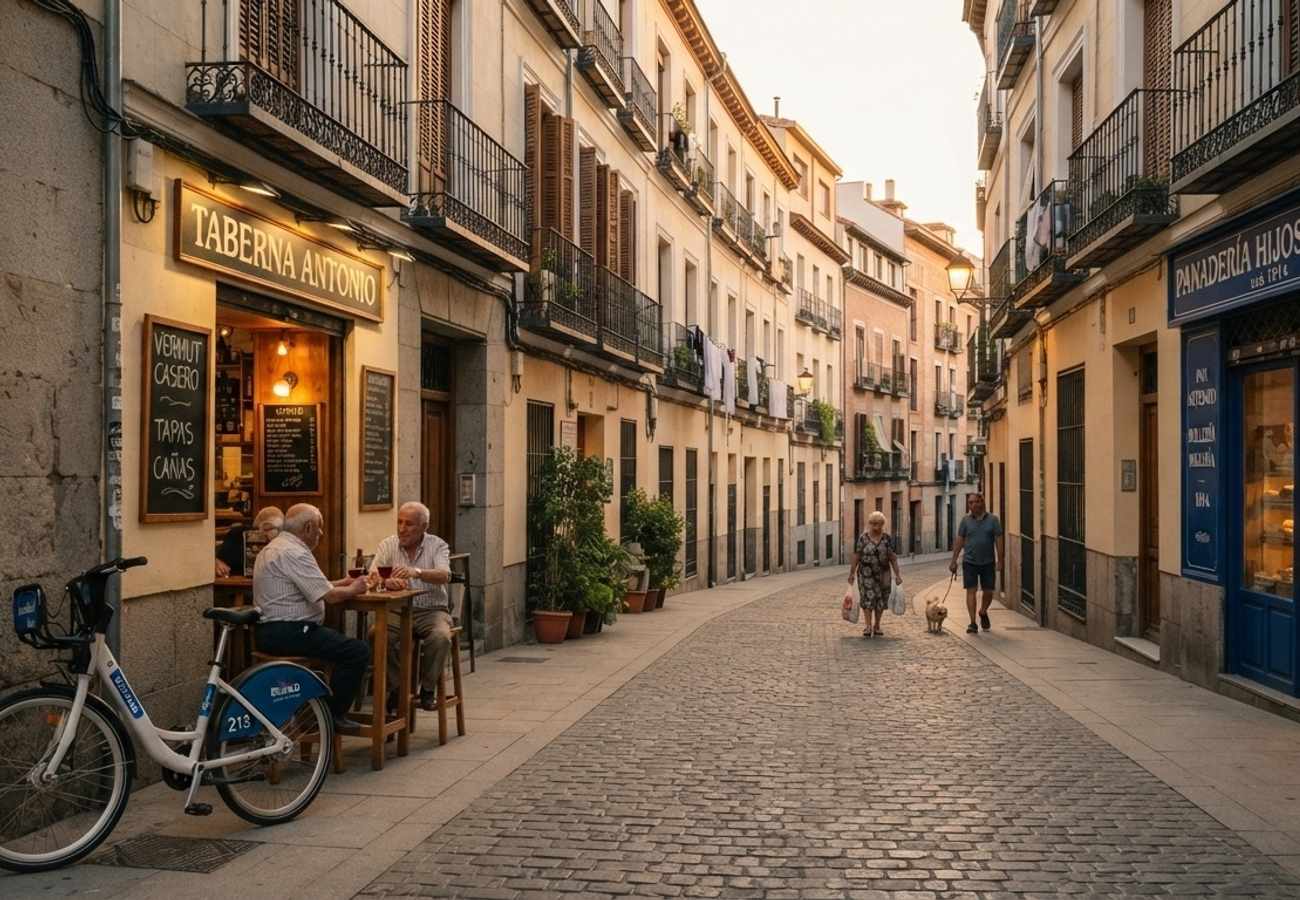
Image generated by AI
Spain welcomed 9,746,490 international tourists in June 2026, a 2.9% year-on-year increase. While total volume is rising, a structural shift is occurring: hotel usage fell by 1.7% as rental housing and private stays accelerate.
The Local Trend Revealed: The Great Accommodation Pivot
Spain is no longer just attracting more people; it is changing how those people live while visiting. Data from the Instituto Nacional de Estadística (INE) reveals that the traditional dominance of the hotel sector is facing a challenge from a more fragmented accommodation market.
While hotels still serve the largest share of the market—hosting 6,701,214 tourists in June—they are no longer the primary engine of growth. Instead, the surge is happening in the "shadow" accommodation sector. Rental housing saw a 10.1% increase, while non-market accommodation (such as staying with friends or family) jumped by a staggering 26.8%.
This shift suggests a move toward "slow travel" and authentic integration. Visitors are opting for residential neighborhoods over tourist hubs, seeking a lived-in experience that hotels, regardless of luxury level, cannot replicate.
June 2026 Accommodation Performance
| Accommodation Type | June Tourists | YoY Change |
|---|---|---|
| Hotels | 6,701,214 | -1.7% |
| Rental Housing | 1,122,703 | +10.1% |
| Family or Friends' Homes | 870,748 | +17.4% |
| Owned Homes | 535,874 | +38.8% |
| Other Non-Market Stays | 128,127 | +56.3% |
| Other Market Accommodation | 387,825 | -8.9% |
Cultural & Environmental Value: Beyond the Beach
The data indicates a geographical redistribution of tourism. While the Balearic Islands remain the volume leader with 2,275,384 visitors, Madrid is the new growth powerhouse, seeing a 13.9% jump in arrivals. This indicates a transition from "Sun and Sand" tourism toward "City and Culture" exploration.
For the visitor, the real impact is a more decentralized experience of Spain. The rise in rental housing and private stays allows for direct economic support of local neighborhood economies—the corner panaderías and family-run tabernas—rather than consolidated resort spending.
However, this trend puts pressure on local housing markets. To balance this, regional conservation bodies and city councils are increasingly pushing for sustainable tourism models that prevent "touristification" of residential cores, encouraging visitors to explore the interior of Andalusia (+7.4%) and the Valencian Community (+6.3%).
Visitor Insider Tips
To navigate this shifting landscape, travelers should look beyond the primary tourist zones:
- The "Barrio" Strategy: Instead of hotels in Madrid's Centro, look for rentals in Chamberí or Malasaña to experience the local lifestyle.
- Timing the Visit: June growth normalized to 2.9% compared to May's 9.5%. To avoid the peak summer crush, aim for the "shoulder" window of late September to October.
- Dining Etiquette: In rental-heavy areas, avoid "Tourist Menus." Look for Menú del Día (Menu of the Day) between 1:00 PM and 3:00 PM, where locals eat for a fixed, affordable price.
- Eco-Transport: In Madrid and Valencia, utilize the expansive bike-share networks to reduce the carbon footprint of your city exploration.
Tourism Outlook: High Value over High Volume
The most positive signal for Spain’s economy is that spending is outstripping arrival numbers. In June, international visitors spent more than €13.5 billion, a 4% increase, while arrivals grew by only 2.9%. With an average spend of €1,393 per tourist and a daily average of €211, Spain is successfully pivoting toward a high-yield model.
Despite softer demand in the hotel sector, the Hotel Price Index rose 5.6% year-on-year. This pricing power, combined with the growth of the US market (+12.3%), suggests that Spain is attracting a more affluent demographic. The long-term impact will likely be a more resilient tourism economy that relies less on mass-market volume and more on diversified, high-value experiences.
Spain is evolving from a seasonal destination into a year-round cultural powerhouse.
Related Travel Guides
Disclaimer
This article is for informational and educational purposes only. It does not constitute legal, financial, or professional advice. While we strive to provide accurate and up-to-date information, travel policies, regulations, and conditions change rapidly. Always verify information with official sources before making travel decisions. Nomad Lawyer makes no representations about the accuracy, reliability, completeness, or suitability of the information provided. Readers should consult qualified professionals for advice specific to their circumstances. The views expressed in this article are those of the author and do not necessarily reflect the views of Nomad Lawyer.
Preeti Gunjan
Contributor & Community Manager
A passionate traveller and community builder. Preeti helps grow the Nomad Lawyer community, fostering engagement and bringing the reader experience to life.
Learn more about our team →