
Spain Promotes Regional Tourism and Job Creation in Model Shift
Spain restructures its tourism model, shifting focus from visitor numbers to value-driven regional growth, digital innovation, and career stability.

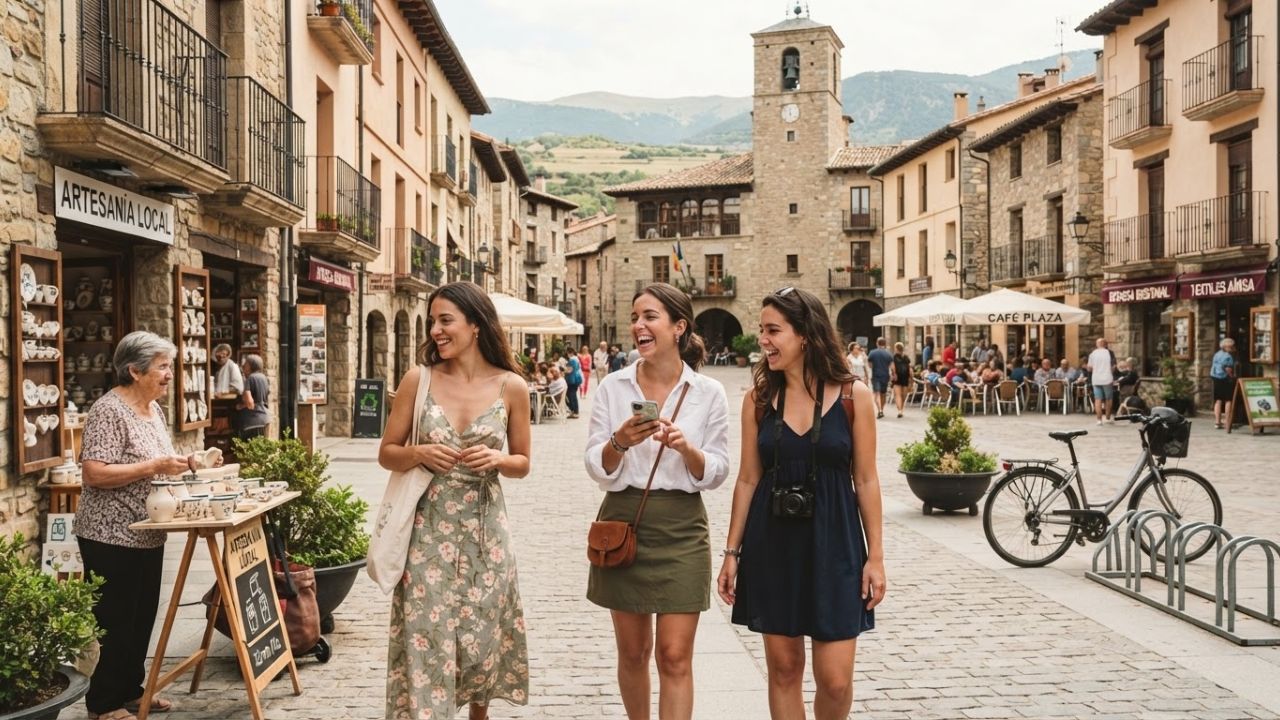
Image generated by AI
Spain is transforming its historical travel model, shifting from raw visitor volume to a value-driven strategy focused on digital innovation, regional empowerment, and long-term employment stability.
Quality-Driven Model: Spreading Tourism to Rural Spain
The Ministry of Industry and Tourism of Spain is restructuring its national travel framework to address the challenges of overtourism in major coastal cities and historic centers. The new strategy focuses on quality, innovation, and sustainability, balancing economic returns with the needs of local communities.
Rather than focusing solely on increasing visitor numbers, the government is expanding tourism opportunities into rural areas and secondary regions. This geographic diversification aims to create new businesses, generate income in depopulated areas, and encourage younger generations to find career opportunities within their home communities.
Supporting Local Commerce and Upgrading Workforce Skills
Small and medium-sized enterprises (SMEs)—including family-owned hotels, regional restaurants, artisans, and cultural entrepreneurs—are at the center of this transition. By encouraging travelers to explore lesser-known regions, the policy ensures that tourism revenues are distributed directly across regional supply chains.
Concurrently, Spain is investing in upgrading workforce skills to transition from seasonal, temporary employment to stable career paths. Training programs focus on digital tourism applications, sustainable hospitality management, and destination planning. This professionalization of the workforce aims to improve service quality and enhance destination competitiveness.
Digital Transformation and Sustainable Infrastructure
Spain is utilizing technology to make destinations smarter and more efficient. Digital tourism platforms and smart systems help municipal authorities analyze visitor behavior, manage crowd flows in historic areas, and provide personalized regional travel information.
Additionally, investments in sustainable infrastructure are designed to protect natural scenery and preserve cultural heritage. These measures ensure that popular environments are protected from excessive wear, securing the long-term viability of the country's tourism assets.
Ecotourism and Direct Community Support
Travelers can practice responsible tourism by staying in casas rurales (traditional rural cottages) and purchasing fresh produce directly from municipal markets (mercados). Using Spain's high-speed rail network (AVE) instead of domestic flights helps reduce carbon emissions.
Sourcing food, guiding, and accommodation directly from locally owned businesses keeps travel expenditures within resident communities, funding local preservation efforts.
Local Insider Travel Strategies
- Optimal Travel Windows: Visit during the shoulder seasons of May (spring) or September to October (autumn) to enjoy comfortable temperatures and avoid the peak summer crowd rush of July and August.
- Dining Etiquette: Spanish dining schedules are late compared to northern Europe. Lunch generally starts around 2:00 PM, and dinner rarely begins before 9:00 PM. Tipping is appreciated but not mandatory; rounding up the bill is common in casual venues.
- Culinary Specialties: Try authentic pintxos in the Basque Country, paella valenciana (saffron rice with chicken and rabbit), or chilled salmorejo (tomato and bread soup) in Andalusia.
- Hidden Gems: Skip the busy beaches and explore the historic stone village of Albarracín in Teruel, or hike the scenic mountain pathways of the Picos de Europa National Park in northern Spain.
Long-Term Outlook for Spanish Tourism Services
The modernization of Spain's travel sector represents a shift toward a resilient, value-focused economy. By combining digital tools, regional business support, and sustainable development guidelines, Spain aims to establish a model that protects its cultural and natural resources while ensuring that tourism continues to serve as a powerful national economic engine.
Related Travel Guides
Disclaimer
This article is for informational and educational purposes only. It does not constitute legal, financial, or professional advice. While we strive to provide accurate and up-to-date information, travel policies, regulations, and conditions change rapidly. Always verify information with official sources before making travel decisions. Nomad Lawyer makes no representations about the accuracy, reliability, completeness, or suitability of the information provided. Readers should consult qualified professionals for advice specific to their circumstances. The views expressed in this article are those of the author and do not necessarily reflect the views of Nomad Lawyer.
Raushan Kumar
Founder & Lead Developer
Full-stack developer with 11+ years of experience and a passionate traveller. Raushan built Nomad Lawyer from the ground up with a vision to create the best travel and law experience on the web.
Learn more about our team →