
Spain Solar Eclipse 2026 Guide: Safe Viewing Alternatives as Eclipse Glasses Sell Out
With ISO-certified eclipse glasses sold out across Europe, travelers heading to Spain for the August 12, 2026, total solar eclipse must adopt indirect viewing methods to ensure safety.

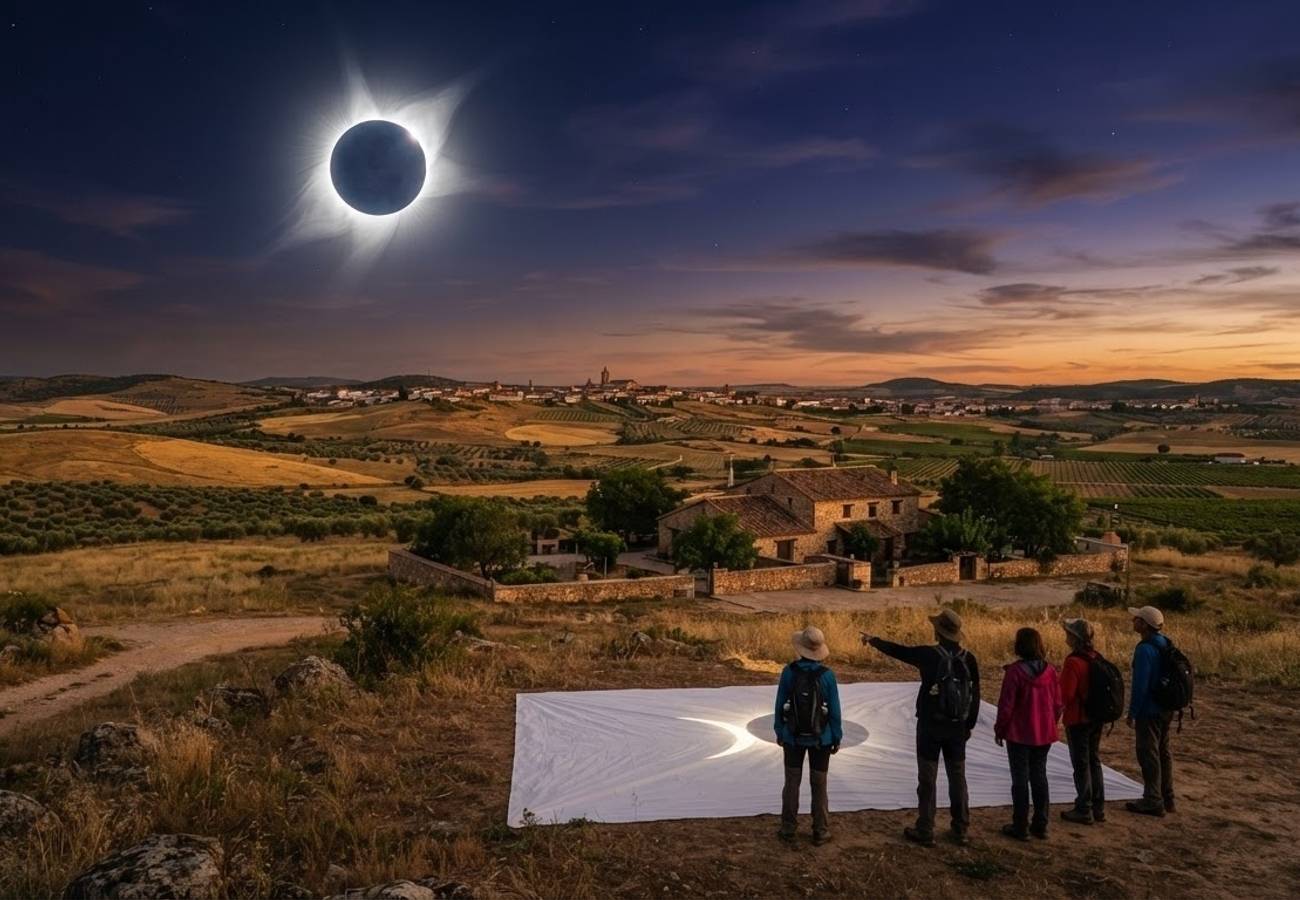
Image generated by AI
The first total solar eclipse visible across mainland Europe since 1999 occurs on August 12, 2026, but a critical shortage of certified eyewear has left thousands of travelers without primary protection.
The Great Eyewear Shortage of 2026
The anticipation for the August 12, 2026, celestial event has triggered a retail crisis. Specialized solar eclipse glasses have completely sold out across major online channels and physical stores throughout Europe. This scarcity has shifted the experience from a casual observation to a logistical challenge, forcing science enthusiasts and tourists to pivot toward alternative safety strategies.
For those traveling to Spain—the primary global hub for this event—the lack of gear does not mean missing the spectacle, but it does require a departure from direct observation.
Safe Viewing Without Certified Gear
When ISO-certified filters are unavailable, astronomical organizations emphasize that conventional sunglasses are not a substitute and provide zero protection against permanent retinal damage. To witness the event safely, visitors must utilize indirect projection methods.
DIY Projection Techniques
The most reliable way to view the eclipse without glasses is to project the image onto a separate surface:
- Pinhole Projectors: Create a simple device using two pieces of sturdy cardboard with a small hole in one.
- Kitchen Colanders: A common household colander can cast multiple crescent-shaped images of the sun onto the ground.
- Flat Surface Projection: Project the sun’s image onto a clean white sheet of paper. The viewer must keep their back turned directly to the sun at all times.
Equipment Warnings
It is a common misconception that cameras or binoculars can be used safely without filters. Any optical device—including smartphones and telescopes—requires specialized solar filters to prevent equipment damage and eye injury.
Navigating Spain's Totality Path
Spain sits directly under the path of totality, meaning the moon will completely obscure the sun, plunging specific regions into daytime darkness. This rare window is drawing massive crowds, putting significant pressure on regional infrastructure.
Managing the Influx
Local municipalities are designating specific observation zones to prevent chaotic overcrowding. For the visitor, the real impact is felt in the transport corridors. Prime viewing spots are seeing heavy traffic congestion, and many regional authorities have implemented road closures to maintain public safety.
To navigate this, travelers are encouraged to:
- Avoid Private Vehicles: Utilize local trains and shuttle services to bypass gridlocked roadways.
- Arrive Early: Secure positions in designated zones well before the event begins.
- Expect Rural Limits: Small villages in the path of totality may face resource limitations, as local amenities are not scaled for high visitor density.
Environmental and Community Impact
Modern eclipse tourism has evolved since 1999. Current protocols, supported by regional conservation bodies and local tourism departments, now integrate comprehensive waste management and landscape preservation.
The shift toward sustainable transport—including carpooling and cycling—is not just a suggestion but a necessity to reduce the strain on Spain's rural roads. By adhering to designated observation zones, travelers help prevent the degradation of protected natural areas and support the local economy without overwhelming community resources.
Visitor Insider Tips
For those heading to the Spanish countryside for the 2026 event, these local insights can make the difference between a stressful trip and a memorable experience:
- The "Siesta" Strategy: Plan your movements around the traditional Spanish midday break. Local shops in rural areas may close, meaning you must have all your water and food supplies ready before 2:00 PM.
- Off-Peak Positioning: Instead of the most famous peaks or plazas, look for smaller municipal "observation points" (puntos de observación) listed on local town hall (Ayuntamiento) websites.
- Hydration & Heat: August in Spain is punishing. Carry more water than you think you need and use high-SPF sunscreen; the "darkness" of the eclipse is brief, but the surrounding heat is constant.
- Local Dining: Avoid the main tourist strips during the event. Seek out local tabernas in neighboring villages to experience authentic regional cuisine away from the eclipse crowds.
Tourism Outlook
The 2026 eclipse serves as a litmus test for "astronomy tourism" in Europe. The long-term impact will likely be a permanent shift in how regional authorities manage sudden, high-density events. By prioritizing sustainable transit and public education over retail-dependent viewing, Spain is setting a precedent for future celestial events. The move toward indirect viewing education ensures that the event remains inclusive and safe, regardless of supply chain failures.
The stars may be the attraction, but the strategy is what ensures the view.
Related Travel Guides
Disclaimer
This article is for informational and educational purposes only. It does not constitute legal, financial, or professional advice. While we strive to provide accurate and up-to-date information, travel policies, regulations, and conditions change rapidly. Always verify information with official sources before making travel decisions. Nomad Lawyer makes no representations about the accuracy, reliability, completeness, or suitability of the information provided. Readers should consult qualified professionals for advice specific to their circumstances. The views expressed in this article are those of the author and do not necessarily reflect the views of Nomad Lawyer.
Raushan Kumar
Founder & Lead Developer
Full-stack developer with 11+ years of experience and a passionate traveller. Raushan built Nomad Lawyer from the ground up with a vision to create the best travel and law experience on the web.
Learn more about our team →