
Beyond the Beach: Spain's Autumn Tourism Strategy Drives Record Bookings
Spain captures 43% of European September travel bookings, successfully expanding tourism beyond Mediterranean beaches to heritage cities and forest valleys.

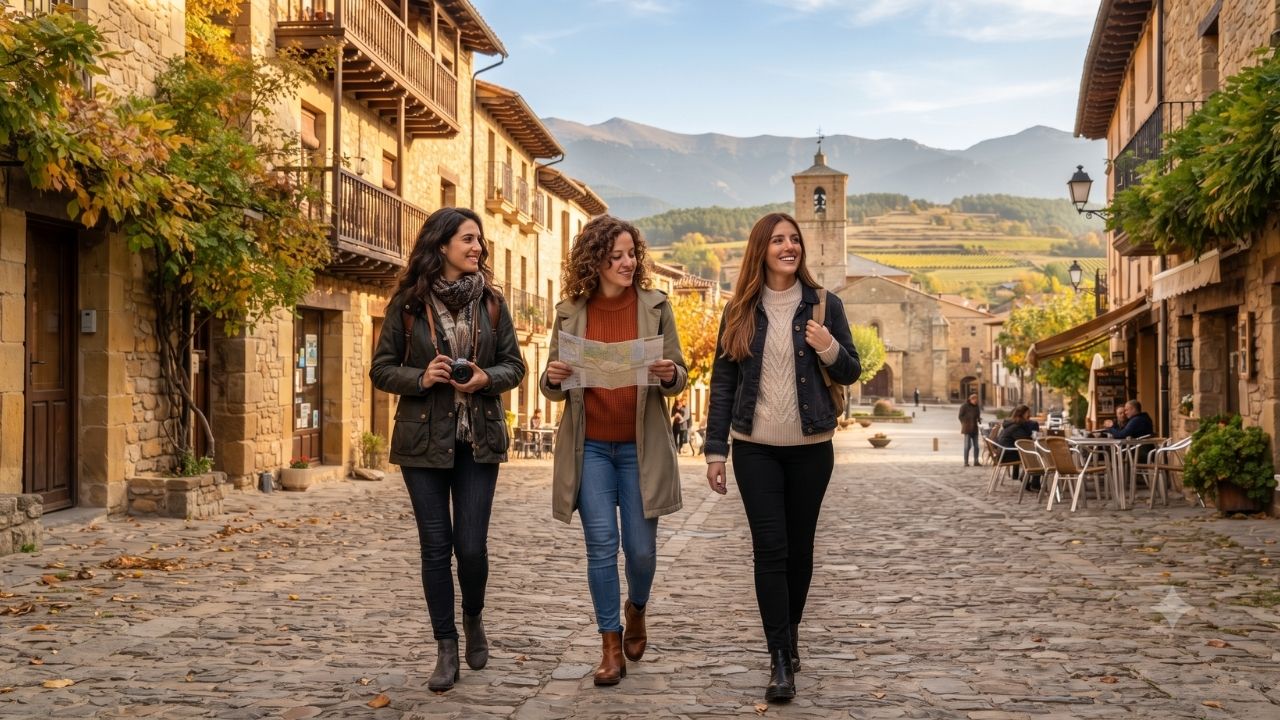
Image generated by AI
Spain has secured 43% of all European travel bookings for September 2026, leading a major travel shift toward inland heritage cities and protected forest preserves.
The Local Trend: Diversified Autumn Tourism in Spain
According to recent travel indicators, Spain has emerged as Europe's strongest autumn destination, accounting for 43% of September bookings, ranking ahead of traditional competitors like Italy and France. This shift in visitor preferences reflects a move from peak summer beach holidays to comfortable autumn vacations, allowing travelers to explore historic cities, rural villages, and nature reserves during the cooler shoulder season.
While coastal areas and islands continue to see strong demand (Tenerife has ranked as the most-booked European destination for September, ahead of Rome and Paris, with Palma de Mallorca, Madrid, Ibiza, and Gran Canaria following closely), the Spanish tourism board is actively diversifying its travel offerings. The national strategy focuses on directing visitors to inland cultural regions, managing summer overcrowding, and supporting local economies year-round.
Historical Heritage and Nature Escapes
Spain's historic cities serve as key alternatives to resort holidays. Cities like Salamanca attract visitors with heritage architecture, including its UNESCO-listed old town, historic university, Plaza Mayor, and walkable medieval streets. The cooler season allows travelers to explore these heritage centers on foot without the intense heat of July and August.
Additionally, nature-based travel is growing. In Cáceres, the Ambroz Valley attracts outdoor enthusiasts with its chestnut and oak forests, rivers, and mountain trails, which provide a scenic backdrop during the autumn harvest. Spain’s geographical diversity — encompassing mountains, protected parks, and rural villages — allows it to appeal to families, hikers, and adventure travelers simultaneously.
Spain's Autumn Travel Booking Distribution and Regional Highlights (2026)
| Travel Indicator / Destination | September Booking Status / Attraction | Strategic Tourism Role |
|---|---|---|
| European Booking Share | Spain accounts for 43% of total bookings | Ranks first in Europe, ahead of France and Italy |
| September Booking Leader | Tenerife (Ranks ahead of Rome and Paris) | Demonstrates continued strength of island regions |
| Salamanca Heritage City | UNESCO old town, historic plaza, university | Offers walkable cultural exploration without summer heat |
| Ambroz Valley (Cáceres) | Chestnut and oak forests, mountain trails | Focuses on nature tourism, wellness, and outdoor sports |
| Rural Villages & Communities | Traditional festivals and local food trails | Distributes tourism yield directly to small economies |
Spain's Competitive Advantage in Southern Europe
Spain's key advantage in autumn tourism lies in its regional variety. While France offers countryside travel and Italy stands out for heritage and cuisine, Spain combines mild autumn weather, historical sites, rural communities, and island resorts within a highly connected national transport network. This allows travelers to combine a city heritage tour in Salamanca with outdoor hiking in Cáceres and beach relaxation on the Canary Islands during a single itinerary.
By directing traffic to inland locations and traditional villages, Spain is establishing a more sustainable tourism model. This approach spreads tourist spending beyond the crowded Mediterranean coastline, supporting local shops, regional guides, and family-owned guesthouses (casas rurales) across the country.
Destination Specialist Local Insider Tips
To help travelers experience Spain beyond the coast this autumn, local specialists recommend the following insider tips:
- Explore Salamanca on Foot: The cool autumn weather is perfect for exploring Salamanca's Plaza Mayor and university quarter. Walk during the golden hour when the sandstone facades glow.
- Visit the Ambroz Valley in Late Autumn: If traveling to Cáceres, plan your trip for November to experience the "Magical Autumn" (Otoño Mágico) festival, celebrating local chestnut harvests.
- Pre-Book Island Accommodation for September: Since Tenerife and Palma de Mallorca remain high in September booking lists, secure hotel rooms and rental cars weeks in advance.
- Support Small Rural Guesthouses (Casas Rurales): When exploring villages, stay in traditional stone guesthouses to support small-scale family businesses.
- Sample Local Autumn Gastronomy: Taste regional specialties like roasted chestnuts, wild mushrooms, and traditional stews paired with regional red wines.
Future Outlook
The growth of autumn bookings highlights a transformation in European travel. Spain is successfully establishing itself as a year-round, four-season destination, utilizing its cultural heritage, natural preserves, and diverse regional traditions to welcome visitors throughout the year.
Related Travel Guides
Disclaimer
This article is for informational and educational purposes only. It does not constitute legal, financial, or professional advice. While we strive to provide accurate and up-to-date information, travel policies, regulations, and conditions change rapidly. Always verify information with official sources before making travel decisions. Nomad Lawyer makes no representations about the accuracy, reliability, completeness, or suitability of the information provided. Readers should consult qualified professionals for advice specific to their circumstances. The views expressed in this article are those of the author and do not necessarily reflect the views of Nomad Lawyer.
Preeti Gunjan
Contributor & Community Manager
A passionate traveller and community builder. Preeti helps grow the Nomad Lawyer community, fostering engagement and bringing the reader experience to life.
Learn more about our team →