
Southwest Airlines Flight SWA1717 Diverted to Kansas City Due to Missouri Storm Front
Southwest Airlines flight SWA1717, operating a Boeing 737 MAX 8 from Omaha to St. Louis, diverted to Kansas City on July 5, 2026, due to storm cells.

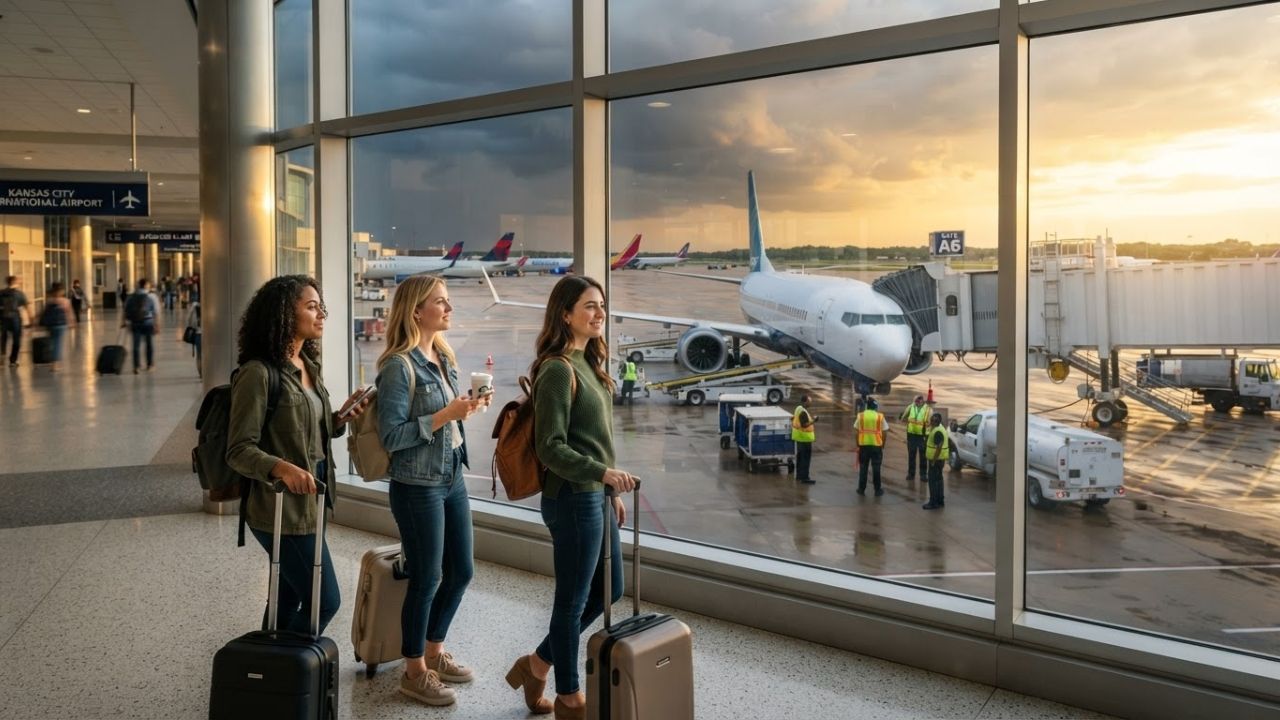
Image generated by AI
A sudden Southwest Airlines flight SWA1717 diversion occurred on July 5, 2026, when a Boeing 737 MAX 8 flying from Omaha to St. Louis diverted to Kansas City International Airport (MCI). The flight rerouted to avoid severe convective storm systems blocking Missouri airspace.
Weather Volatility and Alternate Selection
The aircraft took off from Omaha Eppley Airfield (OMA) following a minor departure delay. The initial hold resulted from high holiday passenger volumes and regional air traffic flow management restrictions.
While climbing toward its cruising altitude, the cockpit crew monitored expanding precipitation cells on the aircraft radar. The storms blocked standard arrival corridors into eastern Missouri.
Faced with declining fuel margins and the risk of wind shear, the captain elected to abort the approach. The crew adjusted their heading toward Kansas City, landing safely on a dry runway.
Aviation observers note that convective weather cells develop rapidly across the Midwestern plains during summer. These systems often trigger sudden holding stops over major metropolitan areas.
The pilots of flight SWA1717 coordinated with controllers to secure a direct routing path out of the turbulent zone. The Boeing 737 MAX 8 has advanced onboard avionics that allow real-time storm cell tracking.
Kansas City International Airport (MCI) was selected as the alternate port due to its operational capacity and favorable weather conditions. The airport provided open runways and gate availability to handle the diverted aircraft.
Ground Recovery and Customer Assistance
Southwest Airlines ground handlers met the aircraft to organize refueling logistics and passenger support. Customer service representatives provided updates regarding the weather hold and departure schedule.
Once the storm cells migrated eastward, dispatcher teams cleared the aircraft to complete the final segment. SWA1717 departed Kansas City later that evening, completing its sector to St. Louis Lambert Airport.
Fleet dispatchers monitored crew duty limits to ensure compliance with federal safety protocols. The diversion successfully minimized passenger exposure to severe mid-air turbulence.
| Operational Parameter | Flight Specification Details |
|---|---|
| Flight Number | Southwest Airlines SWA1717 |
| Operating Aircraft | Boeing 737 MAX 8 |
| Departure Airport | Omaha Eppley Airfield (OMA) |
| Scheduled Destination | St. Louis Lambert International Airport (STL) |
| Diversion Airport | Kansas City International Airport (MCI) |
| Date of Diversion | July 5, 2026 |
| Primary Diversion Cause | Severe convective storm front & wind shear risks over Missouri |
Why This Matters
Our analysis of the flight data indicates that regional convective storm cells create severe operational challenges for short-haul flights during peak holiday travel periods. Because flights like Omaha to St. Louis are short, the aircraft carry less reserve fuel, limiting their ability to wait out extended holding patterns. Diverting to an alternate hub like Kansas City represents a proactive safety decision to avoid runway wind shear and severe turbulence. For regional operators, having open gates and ground staff ready at secondary airports is essential to prevent terminal overcrowding and cascading passenger delays during summer weather disruptions.
Industry Outlook
Market trends suggest that regional airlines will increasingly utilize automated route-planning tools to bypass convective weather cells before takeoff. Long-term projections indicate that Midwestern airports will upgrade their ramp facilities to accommodate an influx of diverted narrowbody aircraft during summer storm cycles. Expect airline operators to implement tighter crew rotation schedules during peak travel weekends to reduce the risk of secondary flight cancellations due to duty limit overruns.
Frequently Asked Questions: Southwest Flight SWA1717 Diversion
Why did Southwest Airlines flight SWA1717 divert to Kansas City?
The flight diverted due to severe summer thunderstorms and wind shear risks blocking arrival paths into St. Louis.
What aircraft operated the flight?
The route was operated by a Boeing 737 MAX 8 passenger aircraft.
Did the flight eventually reach St. Louis?
Yes. After refueling and waiting out the weather front in Kansas City, the aircraft completed its flight to St. Louis later that evening.
Related Travel Guides
Disclaimer
This article is for informational and educational purposes only. It does not constitute legal, financial, or professional advice. While we strive to provide accurate and up-to-date information, travel policies, regulations, and conditions change rapidly. Always verify information with official sources before making travel decisions. Nomad Lawyer makes no representations about the accuracy, reliability, completeness, or suitability of the information provided. Readers should consult qualified professionals for advice specific to their circumstances. The views expressed in this article are those of the author and do not necessarily reflect the views of Nomad Lawyer.
Kunal K Choudhary
Co-Founder & Contributor
A passionate traveller and tech enthusiast. Kunal contributes to the vision and growth of Nomad Lawyer, bringing fresh perspectives and driving the community forward.
Learn more about our team →