
Southwest and Endeavor Air Disruptions at St. Louis Lambert International Airport Affect Hundreds in 2026
Operational failures at St. Louis Lambert International Airport led to seven cancellations and dozens of delays for Southwest and Endeavor Air, impacting routes to Los Angeles, Detroit, and Orlando.

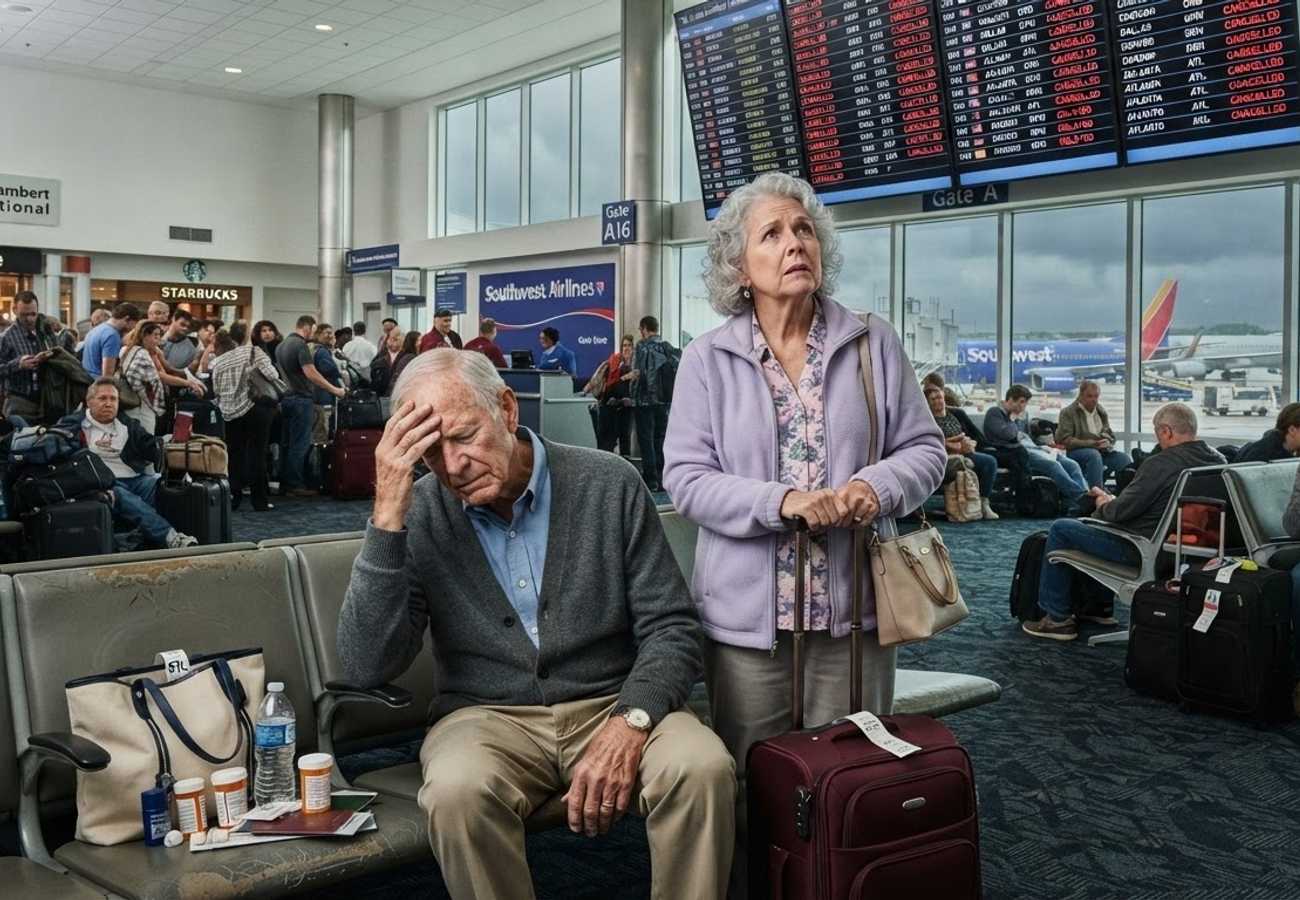
Image generated by AI
Operational instability at St. Louis Lambert International Airport has left hundreds of passengers stranded following a wave of cancellations and delays. The disruption primarily hit Southwest and Endeavor Air, severing critical links to major domestic hubs and international gateways.
The ripple effect of these disruptions extended far beyond the local terminal. Seven total flights were cancelled, while dozens more faced significant delays, triggering a cascade of missed connections and itinerary failures. High-traffic routes to Detroit, Pensacola, Orlando, Los Angeles, and Savannah were among the hardest hit.
Market data indicates that while the number of cancellations may seem low in isolation, the impact on crew rotations and aircraft positioning created a wider systemic failure across the domestic network.
Operational Impact Summary
- Primary Carriers: Southwest Airlines and Endeavor Air (Delta Connection).
- Total Cancellations: 7 flights.
- Primary Delay Driver: Southwest Airlines reported 69 delayed departures.
- Network Reach: Disruptions impacted passengers traveling to major business hubs (NYC, DC, Chicago), leisure markets (Orlando, Las Vegas), and international destinations (London, Frankfurt).
- Systemic Stress: The combination of a major low-cost carrier and a regional partner facing simultaneous issues intensified the pressure on airport ground staff and passenger services.
Flight Disruption Metrics
The following data details the specific operational failures recorded during the reporting period:
| Airline | Cancelled Flights | Delayed Flights | Operational Impact Rate |
|---|---|---|---|
| Southwest | 5 | 69 | ~2% of scheduled operations |
| Endeavor Air (DAL) | 2 | 0 | ~22% of scheduled operations |
Why This Matters: Industry Analysis
Industry observers note that this incident highlights a critical vulnerability in the "hub-and-spoke" regional model. The disparity in the cancellation rates between Southwest and Endeavor Air is particularly telling. While Southwest's 2% cancellation rate is statistically low, their 69 delays created the bulk of the terminal congestion.
Conversely, Endeavor Air's 22% cancellation rate—despite only losing two flights—demonstrates how regional carriers lack the "buffer" capacity of major airlines. When a regional flight is cancelled, passengers often have fewer rebooking options, leading to higher levels of passenger distress and longer recovery times for the airline.
Furthermore, the fact that disruptions in St. Louis impacted flights as far as London and Frankfurt underscores the interconnectedness of modern aviation. A localized failure in a mid-continent hub can compromise international arrival windows and crew legal flying hours across two continents.
Forward Outlook
Expect continued volatility in domestic scheduling as airlines struggle with aircraft rotation efficiency. Passengers are advised to prioritize "direct-to-destination" bookings over tight connections at mid-continent hubs to mitigate the risk of cascading delays.
As regional carriers like Endeavor Air face higher percentage-based disruption rates, the industry may see a push toward more robust contingency planning for Delta Connection and similar regional partners to prevent single-flight failures from impacting a fifth of their daily capacity.
Travelers should maintain real-time monitoring via airline apps and review contractual rights regarding compensation for controllable delays.
Related Travel Guides
Disclaimer
This article is for informational and educational purposes only. It does not constitute legal, financial, or professional advice. While we strive to provide accurate and up-to-date information, travel policies, regulations, and conditions change rapidly. Always verify information with official sources before making travel decisions. Nomad Lawyer makes no representations about the accuracy, reliability, completeness, or suitability of the information provided. Readers should consult qualified professionals for advice specific to their circumstances. The views expressed in this article are those of the author and do not necessarily reflect the views of Nomad Lawyer.
Preeti Gunjan
Contributor & Community Manager
A passionate traveller and community builder. Preeti helps grow the Nomad Lawyer community, fostering engagement and bringing the reader experience to life.
Learn more about our team →