
Southwest Airlines Boeing 737 MAX Flight SWA2580 Diverts to Albuquerque International Sunport from Kansas City
Southwest Airlines Boeing 737 MAX flight SWA2580 diverted to Albuquerque International Sunport on July 13, 2026, following an operational decision during its journey from Kansas City to Phoenix.

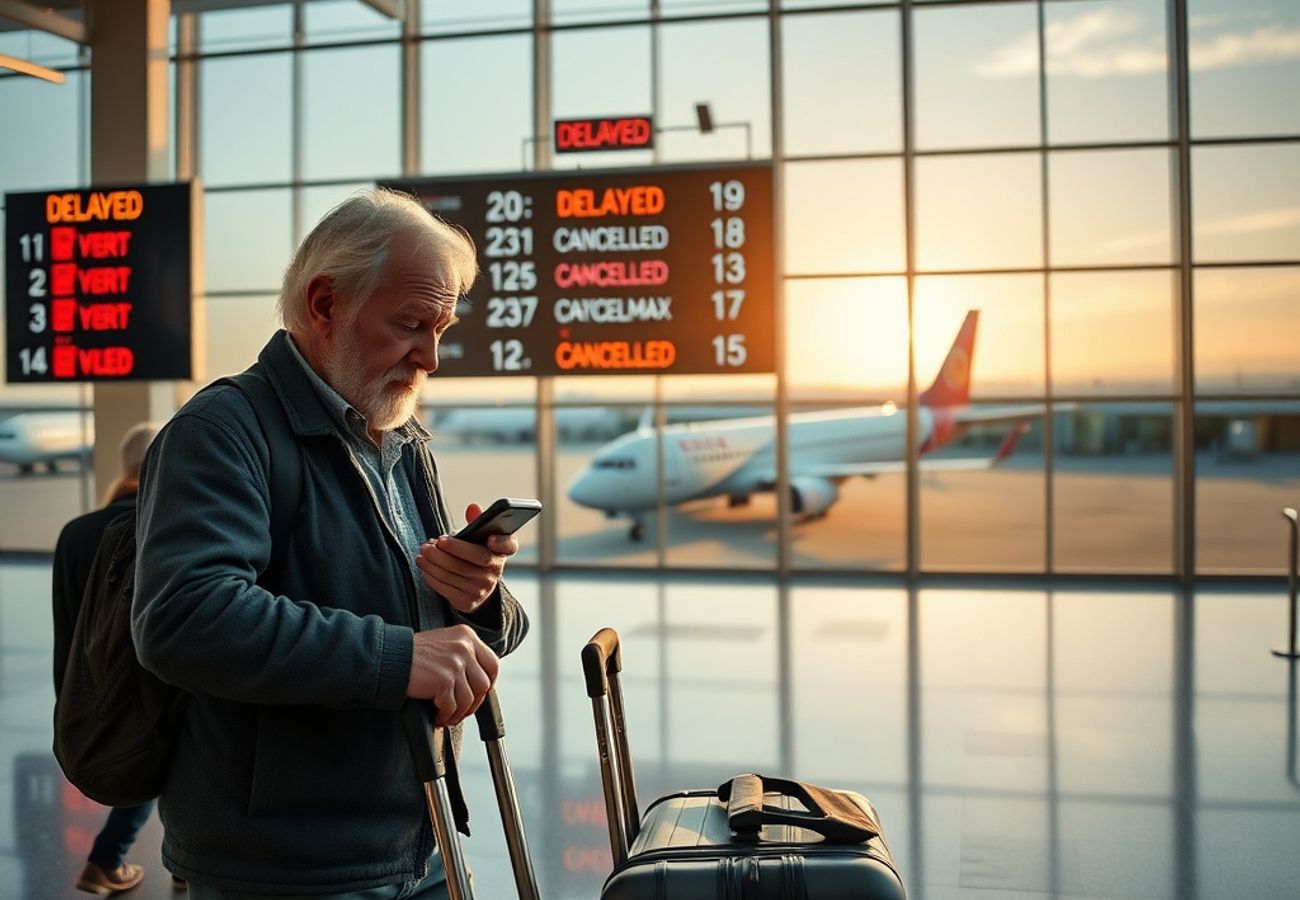
Image generated by AI
[Albuquerque, July 15] — Two separate operational incidents involving Southwest Airlines occurred within a 48-hour window in mid-July, resulting in the diversion of two flights to alternate airports. On July 13, 2026, Flight SWA2580, operated by a Boeing 737 MAX, was redirected to Albuquerque International Sunport in New Mexico while en route from Kansas City to Phoenix Sky Harbor.
The diversion of Flight SWA2580 took place at 7:15 PM STD, shifting the aircraft's planned arrival from Arizona to New Mexico. Reports indicate that the aircraft departed Kansas City International Airport as scheduled before an operational decision necessitated the change in destination. The landing in Albuquerque was executed safely, and airline personnel began managing revised travel logistics for the passengers on board.
Operational Redirect of SWA2580 to Albuquerque International Sunport
The redirect of Flight SWA2580 highlights the immediate nature of aviation operational decisions. While the aircraft was intended for Phoenix Sky Harbor, the flight crew opted for Albuquerque International Sunport to ensure the safest possible arrival under the circumstances present at 7:15 PM STD on July 13.
The Boeing 737 MAX, a central component of the Southwest fleet, was utilized for this route. Following the touchdown in New Mexico, passengers were kept informed of their status while ground teams worked to resolve the disruption and organize onward transit to their original destination in Phoenix.
Secondary Diversion of Flight SWA1908 to Tampa International Airport
In a separate event on July 14, 2026, Southwest Airlines Flight SWA1908 experienced a similar operational shift. This flight, operated by a Boeing 737-700 registered as N447WN, was traveling from Orlando International Airport to Ronald Reagan Washington National Airport.
The aircraft departed Orlando at 9:45 AM and was originally expected to touch down in Washington at 12:00 PM. However, the flight path was altered, and the aircraft diverted to Tampa International Airport in Florida.
| Flight Number | Aircraft Type | Registration | Origin | Planned Destination | Diversion Airport | Date |
|---|---|---|---|---|---|---|
| SWA2580 | Boeing 737 MAX | Not Specified | Kansas City | Phoenix Sky Harbor | Albuquerque International Sunport | July 13, 2026 |
| SWA1908 | Boeing 737-700 | N447WN | Orlando | Reagan Washington National | Tampa International | July 14, 2026 |
Analyzing the Causes of Flight Redirections
Industry observers note that Southwest Airlines has not released a specific public statement regarding the exact cause of the SWA1908 diversion to Tampa. In the aviation sector, such maneuvers are typically triggered by a variety of non-emergency operational factors.
Common catalysts for diversions include sudden shifts in weather patterns, air traffic control restrictions, or the need for a precautionary technical check on the aircraft. The Boeing 737-700, used in the Orlando-to-Washington leg, is designed for the high-frequency domestic cycles that Southwest operates, providing the crew with the flexibility to pivot to nearby hubs like Tampa when conditions change.
The decision to land at Tampa International Airport was based on the facility's capacity to handle diverted traffic. As a major Florida aviation hub, Tampa possesses the necessary runway infrastructure and passenger support services to accommodate unplanned arrivals efficiently.
Impact on Passenger Logistics and Travel Schedules
The diversions of both SWA2580 and SWA1908 resulted in immediate disruptions to passenger itineraries. For those on the flight to Washington, the landing in Tampa meant that arrival times were delayed and onward connections were severed.
When a flight is diverted, the primary focus shifts to ground management. This involves:
- Coordinating baggage retrieval or transfer.
- Organizing alternative transportation or hotel accommodations.
- Rebooking passengers on the next available flight to the original destination.
Passengers are encouraged to use mobile applications and official airline communication channels to receive real-time updates. Because Tampa and Washington are both well-integrated into the domestic flight network, the airline was able to facilitate the continuation of journeys once ground arrangements were finalized.
Standard Aviation Safety and Diversion Protocols
Flight diversions are a normalized aspect of commercial aviation safety. They are not necessarily indicative of a crisis but are often precautionary measures taken to avoid potential risks. Flight crews are trained to continuously monitor telemetry, weather reports, and instructions from air traffic controllers to determine if the planned destination remains the most viable option.
The ability to land at an alternate airport—such as Albuquerque for a flight heading to Phoenix—is a core safety requirement. These protocols ensure that aircraft do not attempt to land in suboptimal conditions or operate with technical anomalies that, while not critical, require professional inspection.
The safe landing of the Boeing 737 MAX in New Mexico and the Boeing 737-700 in Florida underscores the effectiveness of these safety-first operational frameworks.
Why This Matters (Information Gain)
The occurrence of two diversions within a 48-hour window involving different aircraft models (the 737 MAX and the 737-700) suggests a period of operational volatility, likely tied to regional atmospheric conditions or systemic air traffic management challenges rather than a specific aircraft failure.
From an industry perspective, the use of "operational decisions" as the primary reason for these diversions indicates a proactive approach to risk management. By diverting to hubs like Tampa and Albuquerque—which possess high-tier infrastructure—the airline minimizes the risk of "holding patterns" that deplete fuel and increase passenger stress. This strategy prioritizes the "safe landing" metric over the "on-time arrival" metric, a critical distinction in modern aviation safety audits. For the traveler, these incidents highlight the importance of flexible travel insurance and the necessity of maintaining direct communication with the carrier's digital platforms during the summer travel peak.
Aviation safety remains the primary driver behind the decision to divert, ensuring that operational risks are mitigated before they become emergencies.
Related Travel Guides
Disclaimer
This article is for informational and educational purposes only. It does not constitute legal, financial, or professional advice. While we strive to provide accurate and up-to-date information, travel policies, regulations, and conditions change rapidly. Always verify information with official sources before making travel decisions. Nomad Lawyer makes no representations about the accuracy, reliability, completeness, or suitability of the information provided. Readers should consult qualified professionals for advice specific to their circumstances. The views expressed in this article are those of the author and do not necessarily reflect the views of Nomad Lawyer.
Preeti Gunjan
Contributor & Community Manager
A passionate traveller and community builder. Preeti helps grow the Nomad Lawyer community, fostering engagement and bringing the reader experience to life.
Learn more about our team →