Southwest Airlines Could Launch Premium First Class Within Five Years, CEO Signals Major Strategic Shift

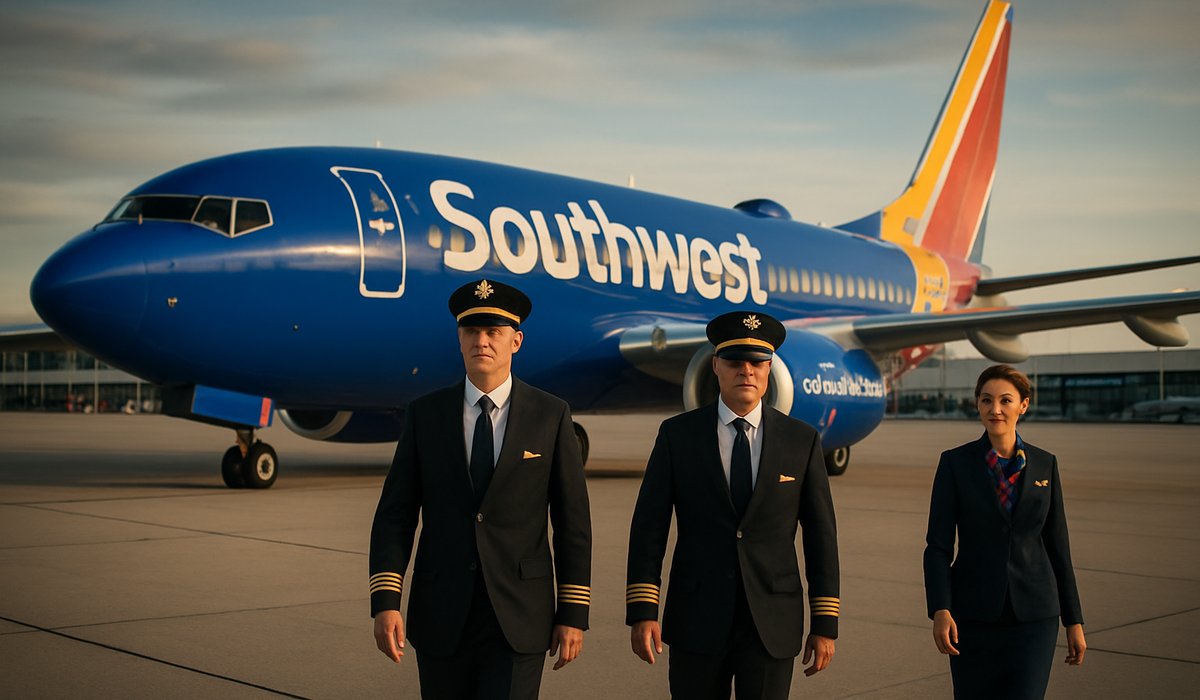
Image generated by AI
Bob Jordan hints at dramatic departure from airline's no-frills model as carrier seeks new revenue streams
Southwest Signals Historic Business Model Transformation
Southwest Airlines, the world's largest low-cost carrier by fleet size, is exploring the introduction of a dedicated premium first-class cabin—a move that would mark a fundamental departure from the airline's decades-old no-frills operating philosophy. Chief Executive Officer Bob Jordan revealed the possibility at the Bernstein 42nd Annual Strategic Decisions Conference in Manhattan, suggesting the service could materialize within the next five years.
The disclosure represents a watershed moment for an airline that has built its reputation on simplicity, operational efficiency, and competitive pricing. For over 50 years, Southwest has rejected traditional tiered seating arrangements that dominate competitors' route networks, instead offering a single-cabin configuration with open seating policies.
Strategic Response to Rising Aviation Costs and Competitive Pressures
The timing of Southwest's potential pivot reflects broader industry challenges reshaping the low-cost carrier segment. Elevated jet fuel prices, labor cost increases, and shifting passenger expectations have compelled airlines to diversify revenue streams beyond ticket sales. Premium cabin introductions generate substantial ancillary income through higher seat prices, enhanced amenities, and dedicated boarding procedures—revenue categories increasingly vital for airline profitability.
Southwest has already expanded fee structures in recent years, introducing baggage charge modifications and seat-selection services. A dedicated first-class offering would accelerate this monetization strategy, allowing the carrier to capture premium-paying passengers currently migrating toward full-service network competitors.
Industry Context: Competition and Revenue Diversification
The aviation industry remains under sustained pressure from fuel volatility, labor negotiations, and consumer demand fragmentation. Airlines worldwide have responded by segmenting cabin products—Delta Air Lines, United Airlines, and American Airlines derive substantial revenue percentages from premium cabin operations. Southwest's potential entry into this space would position it competitively against carriers investing heavily in first-class refinements.
Jordan's announcement suggests Southwest recognizes that maintaining cost leadership alone insufficient for maximizing shareholder returns in the current operating environment. The carrier's strategic planners are evidently evaluating how premium service introduction could coexist with the operational simplicity that historically differentiated the airline.
Timeline and Implementation Uncertainties
While Jordan indicated a five-year horizon, no formal commitment has been announced. The timeline allows Southwest to conduct extensive market analysis, assess fleet modifications, and prepare staff training protocols. Aircraft reconfiguration projects typically require significant capital investment and operational restructuring.
The company will need to carefully balance premium cabin integration against its foundational brand identity—a challenge that could determine whether the initiative succeeds or alienates its traditional customer base.
FAQ: Southwest Airlines Premium Cabin Development
Q: Could Southwest Airlines' first-class introduction increase overall airline fees and baggage charges? A: Premium cabin operations typically generate revenue sufficient to offset pressure for across-the-board fee increases, though specific impacts remain speculative.
Q: How would a Southwest first-class service affect jet fuel surcharge practices? A: Premium cabin pricing structures could absorb fuel cost volatility more effectively than economy fares, potentially stabilizing carrier economics.
Q: What timeline defines Southwest's first-class development? A: CEO Bob Jordan indicated a five-year possibility window, though no formal launch date has been confirmed.
Q: Which low-cost carriers already offer premium cabin products? A: Norwegian Air, JetBlue, and Alaska Airlines operate tiered cabin structures, providing operational reference models for industry expansion.
Q: How would first-class introduction reshape Southwest's competitive positioning in the aviation industry? A: Premium offerings would enhance revenue diversification capabilities, positioning Southwest against full-service network carriers in high-value passenger segments.
Related Travel Guides
- Massive Travel Chaos Engulfs Brazil Aviation Network as São Paulo Airport Disruptions Trigger 177 Delays and 26 Flight Cancellations: Latest Airline News
- Summer 2026 Holidays Cancelled: The Aviation Crisis Grounding Millions
- United Airlines Ignites Massive Trans-Pacific Travel Boom as APA 2026 Defeats San Francisco Airport Disruptions
This article is for informational purposes. Flight routes, passenger regulations, visa rules, and transit advisories are subject to change by airlines and aviation authorities. Readers are advised to verify schedules and travel documentation with relevant carriers and border agencies before departure.
Related Stories
Brazil Nears 100 Million Air Passengers in 2026 Amid Divergent Global Aviation Growth