
Monsoon Travel Chaos: Terrifying Aviation Disruption Strikes Philippines, Indonesia, and Southeast Asia as Airlines Cancel 208 Flights
As massive monsoon storms paralyze Southeast Asia, delivering 1,294 delays and urgent airline news, passengers face terrifying airport disruptions, flight cancellations, and absolute travel chaos across 8 nations.

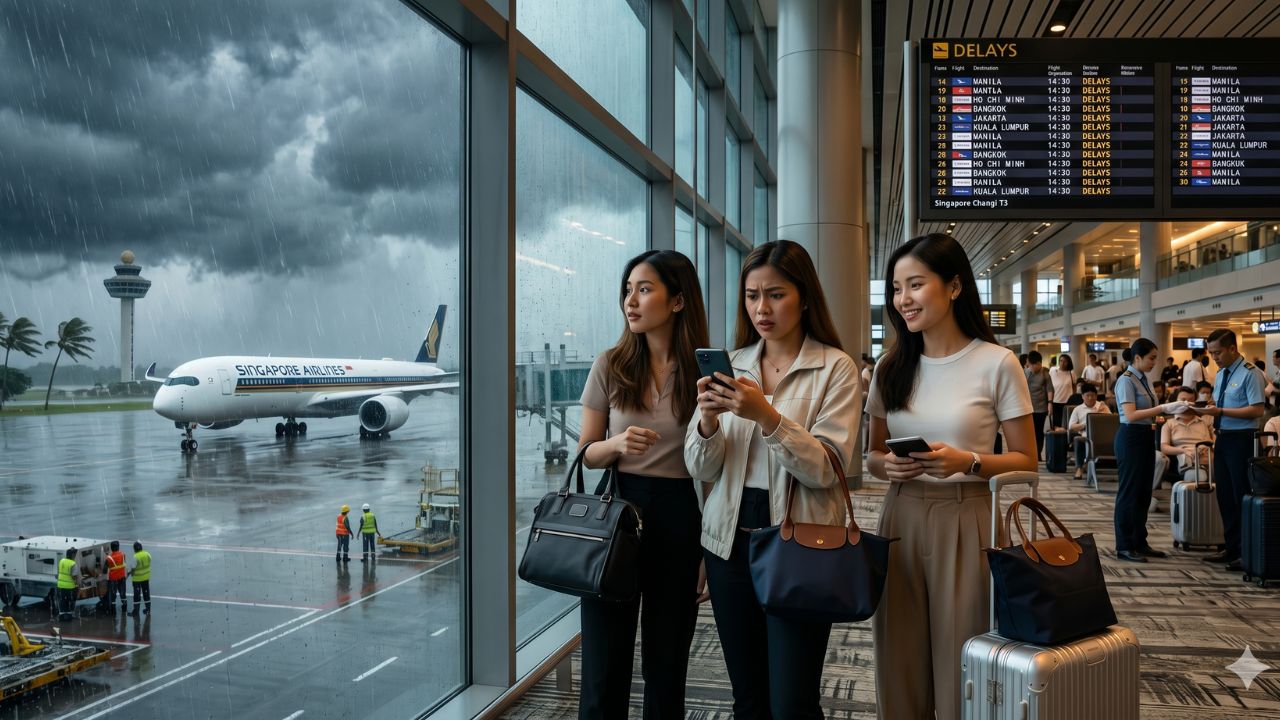
Image generated by AI
A Massive Monsoon Disruption Amidst Regional Terminal Panic
While massive sectors of the global passenger network frequently battle highly unpredictable labor strikes, synchronized logistical bottlenecks, and horrific commercial fleet constraints, sudden and ferocious severe weather remains the absolute most terrifying catalyst for massive airport disruptions. Delivering highly urgent, breaking airline news, verified Southeast Asian aviation trackers confirm that a massive monsoon crisis has actively detonated across an unprecedented eight nations, aiming to completely devastate vulnerable international commuter flows and massive tourism supply chains, triggering severe travel chaos across the highly congested Asian aviation network. Today, highly disruptive operational news forcefully emerged confirming that the Philippines has violently joined Vietnam, Indonesia, Thailand, Malaysia, Singapore, Cambodia, and Myanmar in a massive regional aviation lockdown caused by severe storm cells.
While desperate travelers usually attempt to navigate terrifying terminal friction caused by localized flight cancellations and agonizing tarmac delays, these exclusive aviation updates reveal a highly systemic, incredibly intense logistical scramble attempting to contain a massive regional collapse. Relentless heavy rain, violent gusty winds, and terrifyingly poor visibility have completely shattered the operational integrity of major hubs including Manila, Bangkok, Jakarta, and Ho Chi Minh City. This incredibly violent weather event has aggressively forced elite carriers—specifically including Singapore Airlines, Garuda Indonesia, Thai Airways, Cebu Pacific, and AirAsia—into absolute crisis management mode as they fiercely battle cascading delays, mid-air diversions, and entirely waterlogged airport access routes.
Expanded Overview: The Scale of the Asian Aviation Collapse
The highly publicized execution of this massive regional disruption serves as an undeniable example of how rapidly complex Southeast Asian transit can devolve into absolute terror when the monsoon violently accelerates. Across the massive eight-nation zone, official air traffic control reports confirm a staggering 1,294 flight delays and 208 absolute cancellations, plunging hundreds of thousands of passengers into immediate travel chaos. Journeys originally expected to connect seamlessly across vital regional corridors have violently mutated into a terrifying gauntlet of overnight delays, flooded access roads, and sudden aircraft go-arounds.
The terrifying reality of modern transit in this highly vulnerable equatorial zone is the constant threat of total operational collapse. Aviation resilience is not merely about aircraft performance; it violently depends on localized drainage, public transport, and airside emergency coordination. This severe disruption aggressively highlights the incredibly fragile link between high-volume island tourism and weather-sensitive aviation, proving that sudden monsoon intensity can completely paralyze the entire Southeast Asian visitor economy in a matter of hours.
Section-Wise Breakdown of the Southeast Asian Disruption
The Philippines: Island Tourism Paralyzed
The Philippines has violently become the focal point of this massive crisis, with incredibly unstable weather directly striking Siargao, a premier island destination. The Civil Aviation Authority of the Philippines was forced to mandate severe flight cancellations as a low-pressure monsoon trough decimated local operations. Massive domestic networks utilizing Cebgo, Sunlight Air, and PAL Express were completely severed, leaving hundreds of vulnerable tourists stranded without accommodation as flights between Cebu, Siargao, Clark, and Davao were violently aborted.
Indonesia: Jakarta and Bali Under Siege
Indonesia suffered an absolute logistical nightmare as Soekarno-Hatta International Airport in Tangerang (Jakarta) was violently slammed by torrential rain, generating a terrifying 109 flight delays in a single operating window. Aircraft were forced into dangerous go-arounds and massive diversions. Furthermore, violent secondary storm waves actively damaged the roof at Terminal 3. Simultaneously, Bali’s I Gusti Ngurah Rai Airport was aggressively compromised, forcing Cebu Pacific and Indonesia AirAsia flights to execute terrifying mid-air diversions to Makassar or Jakarta just to survive the intense wind shear.
Malaysia: Tropical Storm Senyar Devastates KLIA
Malaysia faced a massive national emergency when Tropical Storm Senyar aggressively made landfall, violently triggering a high-level aviation shock at Kuala Lumpur International Airport (KLIA). Between November 27 and 28, 2025, exactly 23 vital inbound flights (including 17 international services) were completely disrupted. The massive weather system forced the terrifying evacuation of 30,000 residents and resulted in tragic fatalities in Kelantan, violently exacerbating the travel chaos as ground transport to the airport was completely severed by extreme flooding.
Singapore: The Changi Diversion Spike
Even the heavily fortified Changi Airport was not immune. The Civil Aviation Authority of Singapore officially reported a massive, terrifying spike in weather-driven diversions, logging 55 flights diverted between January and November 2025—a massive, alarming increase compared to just nine diversions the previous year. In desperate response to this travel chaos, Singapore has violently launched the Aviation Meteorological Programme to fiercely combat convective weather and surface wind threats across the equatorial zone.
Indochina: Widespread Network Degradation
The monsoon crisis violently bled into mainland Indochina. Vietnam faced severe storm and wind-related disasters across multiple provinces, placing massive operational pressure on Tan Son Nhat International Airport in Ho Chi Minh City. Thailand was aggressively battered by severe storms across dozens of provinces, threatening massive hubs like Bangkok Suvarnabhumi, Phuket, and Chiang Mai. Cambodia reported violent wind-related disasters in Oddar Meanchey, threatening cross-border tourism flows to Siem Reap, while Myanmar braced for extreme rainfall that threatened to completely isolate its domestic aviation gateways.
Verified Aviation Disruption and Storm Data
To fully comprehend the massive operational scale and strategic deployment dictating this highly disruptive monsoon crisis, the following mandatory table explicitly details the exact performance metrics dictating the Southeast Asian travel chaos today:
Complete Southeast Asian Monsoon Aviation Crisis Breakdown
While global networks attempt to recover, this regional storm system triggered massive, cascading cancellations.
| Elite Fleet Upgrade Metric | Verified Aviation Data | Direct Impact on Passenger Logistics |
|---|---|---|
| Total Regional Disruption | 1,294 Delays / 208 Cancellations | Massive capacity destruction across the 8-nation zone. |
| Affected Airline Carriers | SIA, Garuda, Thai, AirAsia, Cebu | Elite legacy and LCC operators severely impacted. |
| Jakarta (Soekarno-Hatta) | 109 Delays (Single Window) | Terminal 3 roof damage and massive mid-air holding patterns. |
| Malaysia (KLIA) Shock | 23 Inbound Flights Disrupted | Tropical Storm Senyar struck between Nov 27-28, 2025. |
| Singapore (Changi) | 55 Flight Diversions | Massive spike compared to just 9 the previous year. |
| Bali (I Gusti Ngurah Rai) | Flights Diverted to Makassar | Cebu Pacific & Indonesia AirAsia forced to abort landings. |
| Philippines Domestic Halt | Siargao Airport Shut Down | Cebgo, Sunlight, and PAL Express flights abruptly cancelled. |
| Broader Weather Threat | Cambodia, Myanmar, Vietnam, Thai | Wind disasters and widespread provincial storms reported. |
Passenger Impact: Surviving the Monsoon Network Collapse
For the modern global commuter attempting to navigate this highly volatile regional network, the passenger impact of leveraging this highly disruptive monsoon environment is completely terrifying. Reliable, weather-resistant flight operations are the absolute backbone of surviving Southeast Asian transit, and this violent storm system completely shattered that promise against the threat of in-flight diversions and terminal isolation.
Immediate Strategies for Global Passengers:
- Anticipate Highway Flooding: By aggressively understanding that airport access is frequently compromised before runways actually close, stranded tourists attempting to reach Soekarno-Hatta or KLIA must absolutely budget a massive three-hour early arrival window to navigate waterlogged road networks.
- Demand Extreme Flexibility: Corporate travelers are aggressively urged to actively book flexible fares when transiting Singapore, Bangkok, or Manila during monsoon season, as the terrifying spike in Changi diversions proves that even premium hubs are highly vulnerable to sudden operational shutdowns.
- Monitor Secondary Hubs: Passengers traveling to fragile island destinations like Siargao or Bali should aggressively monitor weather radars, preparing to completely abandon ferry bookings and resort reservations if regional low-pressure systems threaten to ground domestic fleets indefinitely.
Conclusion: A Highly Disruptive Climate Reality
The massive, highly publicized aviation collapse executed by this regional monsoon system represents a massive, incredibly terrifying wake-up call for the Southeast Asian aviation sector. By actively demonstrating that aggressive, multi-national storm cells can instantly paralyze eight nations and generate over a thousand delays, this violent event completely redefines regional travel risks. As executive leadership continues to heavily battle massive forecasting challenges via new meteorological programs in Singapore, high-tier corporate travelers and international tourists are heavily urged to actively prepare for their journeys by fiercely adapting to the new reality of monsoon unpredictability, completely anticipating the unprecedented disasters triggering massive regional travel chaos today.
Key Takeaways
- Massive Regional Lockdown: Eight nations (Philippines, Vietnam, Indonesia, Thailand, Malaysia, Singapore, Cambodia, Myanmar) were violently hit by an intense, cross-border monsoon crisis.
- Staggering Disruption Metrics: Regional authorities officially recorded an incredibly terrifying 1,294 flight delays and 208 total flight cancellations.
- Major Hubs Devastated: Jakarta suffered 109 delays in a single window with roof damage, while KLIA was violently struck by Tropical Storm Senyar, disrupting 23 inbound flights (17 international) between Nov 27-28, 2025.
- Elite Carriers Grounded: Top-tier airlines including Singapore Airlines, Garuda Indonesia, Thai Airways, AirAsia, and Cebu Pacific were forced into massive delay management procedures and diversions.
- Passenger Survival Tactics: Travelers caught in this terrifying Southeast Asian aviation disruption are aggressively urged to monitor weather systems, expect massive access road flooding, and build absolute flexibility into their multi-stop itineraries.
Disclaimer: The specific flight delay counts, tropical storm dates, and strategic diversion metrics presented in this report are based on verified operational data released regarding the Southeast Asian monsoon crisis in June 2026. Official airline route networks, specific flight operations, and regional meteorological conditions are highly volatile and subject to continuous, real-time update based on active weather fronts and international ATC decisions. Prospective passengers are urgently advised to fiercely monitor active weather advisories directly via official airline portals prior to airport arrival.
Disclaimer
This article is for informational and educational purposes only. It does not constitute legal, financial, or professional advice. While we strive to provide accurate and up-to-date information, travel policies, regulations, and conditions change rapidly. Always verify information with official sources before making travel decisions. Nomad Lawyer makes no representations about the accuracy, reliability, completeness, or suitability of the information provided. Readers should consult qualified professionals for advice specific to their circumstances. The views expressed in this article are those of the author and do not necessarily reflect the views of Nomad Lawyer.
Kunal K Choudhary
Co-Founder & Contributor
A passionate traveller and tech enthusiast. Kunal contributes to the vision and growth of Nomad Lawyer, bringing fresh perspectives and driving the community forward.
Learn more about our team →