
Southeast Asia's 2026 Cashless Travel Revolution: China's Mobile Payments Transform Global Tourism
Indonesia, Malaysia, and Thailand have fully embraced China’s cashless travel revolution in 2026, integrating Alipay and WeChat Pay into national QR systems to streamline international tourism spending.

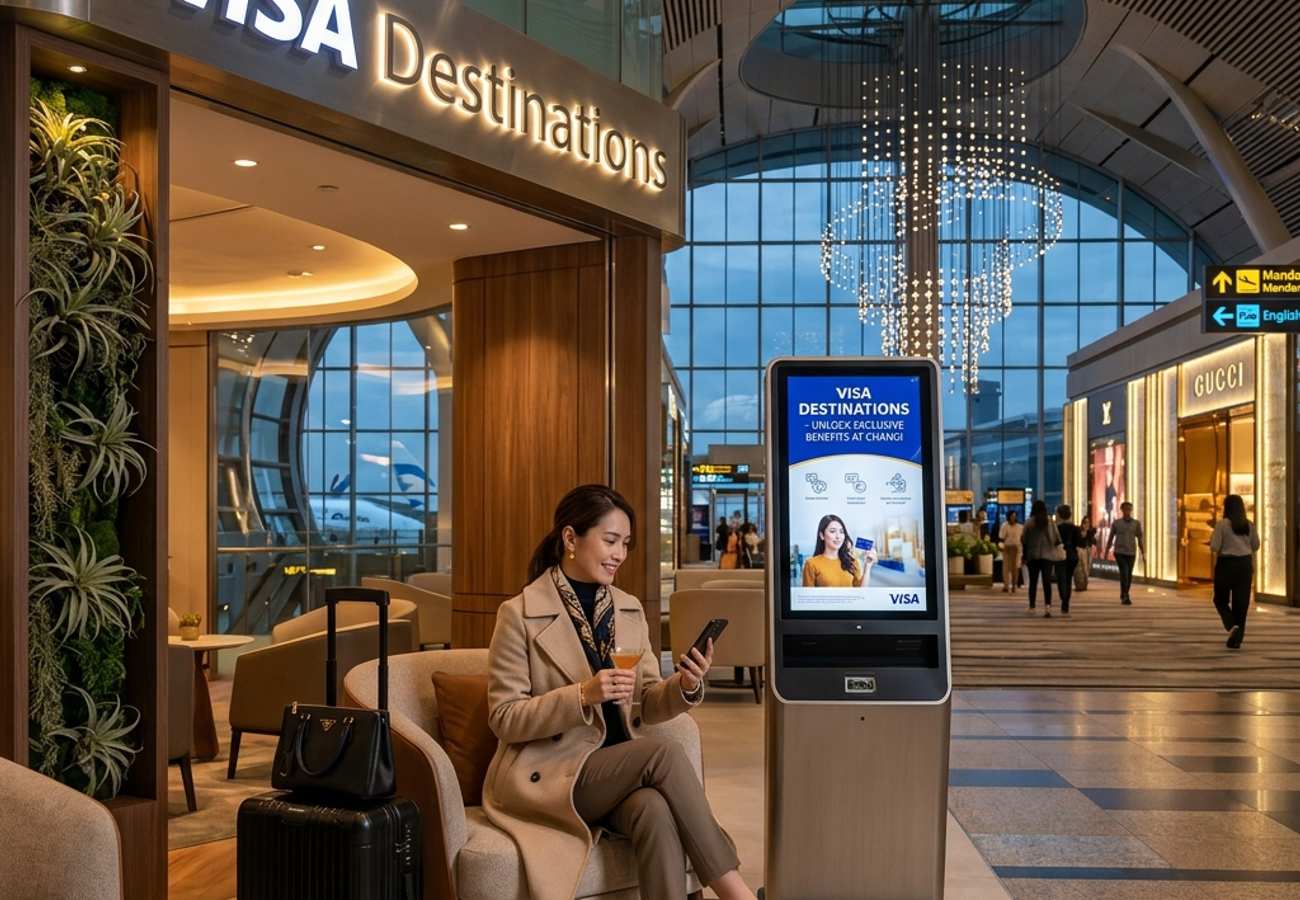
Image generated by AI
Quick Summary
- National Integration: In 2026, Indonesia has joined Malaysia and Thailand in integrating Chinese mobile payment platforms like Alipay and WeChat Pay directly with national QR code systems.
- Frictionless Spending: Chinese tourists can now complete transactions from high-end luxury malls to street food stalls by scanning local QR codes, eliminating foreign transaction fees and currency exchanges.
- Global Scale: WeChat Pay now supports transactions in dozens of currencies across 70+ countries, while Alipay+ connects a growing network of international digital wallets.
- Reciprocal Growth: China is simultaneously advancing programs to integrate international bank cards and overseas e-wallets into its own platforms, facilitating seamless travel for inbound tourists.
The global tourism landscape is being fundamentally redefined by the integration of digital financial infrastructure. In 2026, Southeast Asian nations have solidified their position as the world's most "Chinese traveler-friendly" destinations by fully embracing the cashless revolution. By transitioning from fragmented merchant partnerships to national-level payment interoperability, countries like Indonesia are unlocking unprecedented spending potential. For the modern voyager, smartphones have become the primary gateway for global commerce, blurring the lines between domestic and international trade.
China’s Global Payment Footprint: 2026 Connectivity Metrics
The expansion of mobile-first payment systems is leapfrogging traditional card-based infrastructure across the Asia-Pacific region.
| Platform / System | 2026 Global Reach | Key Functionality |
|---|---|---|
| WeChat Pay | 70+ Countries | Multi-currency support for 1.3B+ users |
| Alipay+ | Global Network | Connecting international digital wallets & merchants |
| Indonesia Cross-Border | National Integration | Direct scan of Indonesian QRIS with Chinese apps |
| Thailand / Malaysia | Wide Adoption | Accepted at both luxury malls & street bazaars |
| Reciprocal Integration | Inbound/Outbound | International cards accepted within China’s ecosystem |
The QR Code Revolution: Seamless Payments from Malls to Markets
In 2026, the friction once associated with international spending is rapidly disappearing. Chinese tourists increasingly expect to make purchases with a simple scan, and the regional response has been transformative:
- Malaysia: Digital payments are now standard at pop-up stalls and temporary festival booths, allowing tourists to bypass local currency withdrawals.
- Thailand: Major shopping hubs and night bazaars in Bangkok have reported higher transaction volumes due to the ease of mobile checkouts.
Indonesia’s New Cross-Border System: Eliminating Currency Exchange
Indonesia has launched a dedicated cross-border payment system that allows Chinese travelers to make transactions directly using their domestic apps.
- Direct Processing: By scanning a local merchant’s QR code, the transaction is processed instantly in the user’s home currency.
- Reduced Costs: This system eliminates traditional currency exchange spreads and foreign transaction fees, making the destination more economically appealing for long-haul visitors.
Economic Impact: Unlocking Untapped Spending Potential
For businesses in Southeast Asia, the impact of the cashless revolution is immediate and profound:
- Higher Volumes: Retailers and service providers report faster checkout times and an uptick in spontaneous spending.
- Operational Efficiency: The decline in cash handling reduces the risk of error and operational overhead for small businesses.
- Small Business Inclusion: For the first time, street vendors and rural tour operators can tap into the world’s largest outbound tourism market with a single QR code.
Reciprocal Integration: Facilitating Inbound Travel to China
The 2026 payment revolution is not a one-way street. China is simultaneously modernizing its inbound tourism infrastructure:
- International Card Support: International bank cards can now be linked directly to Alipay and WeChat Pay for use within China.
- Overseas E-Wallets: Travelers from Southeast Asia can increasingly use their home-country digital wallets when visiting Chinese cities.
- Unified Standards: These advancements are solidifying China’s role as a major player in the global financial and tourism ecosystem.
FAQ: Cashless Travel Revolution 2026
Can Chinese tourists use their home apps to pay in Indonesia? Yes. In 2026, Indonesia’s national QR system (QRIS) is fully integrated with Chinese payment apps, allowing for direct transactions in Chinese Yuan.
Do I still need to carry cash when traveling to Thailand or Malaysia? While carrying some cash is recommended for emergencies, most transactions—from street food to luxury shopping—can now be handled via mobile QR codes.
Which platforms support international cashless travel? Alipay+ and WeChat Pay are the dominant platforms, connecting millions of merchants in over 70 countries to the digital wallets used by Chinese and international travelers.
Related Travel Guides
Disclaimer
This article is for informational and educational purposes only. It does not constitute legal, financial, or professional advice. While we strive to provide accurate and up-to-date information, travel policies, regulations, and conditions change rapidly. Always verify information with official sources before making travel decisions. Nomad Lawyer makes no representations about the accuracy, reliability, completeness, or suitability of the information provided. Readers should consult qualified professionals for advice specific to their circumstances. The views expressed in this article are those of the author and do not necessarily reflect the views of Nomad Lawyer.
Kunal K Choudhary
Co-Founder & Contributor
A passionate traveller and tech enthusiast. Kunal contributes to the vision and growth of Nomad Lawyer, bringing fresh perspectives and driving the community forward.
Learn more about our team →