
South Dakota Ghost Town: Exploring America's Abandoned Railroad Hub in 2026
A South Dakota ghost town frozen in time reveals the haunting legacy of America's railroad era. Adventurous travelers in 2026 can explore this once-thriving prairie settlement and uncover forgotten stories of westward expansion.

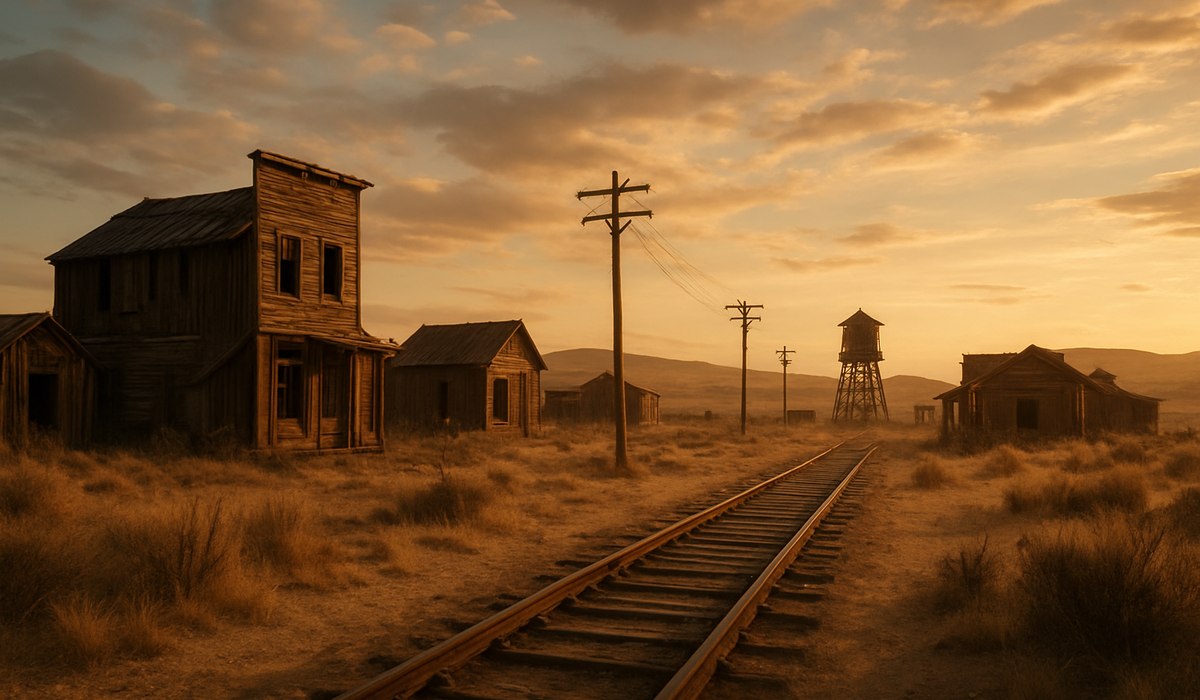
Image generated by AI
A Glimpse Into South Dakota's Forgotten Railroad Heritage
South Dakota's abandoned railroad town stands as a poignant reminder of America's golden age of westward expansion and industrial ambition. Once a bustling hub of commerce and human activity, this South Dakota ghost town now attracts curious travelers and history enthusiasts seeking authentic connections to the nation's railroad legacy. The settlement, preserved in haunting detail across the windswept prairie, offers visitors an unparalleled window into 19th-century frontier life. What began as a thriving settlement has transformed into one of the most compelling prairie destinations for nomads and adventurers exploring off-the-beaten-path locations across the American West.
The Town's Railroad Heyday
During the late 1800s and early 1900s, this abandoned railroad town flourished as a crucial transportation nexus connecting eastern markets to western territories. The arrival of rail infrastructure sparked explosive growth, transforming the area into a bustling community with hotels, saloons, shops, and residential neighborhoods. Railroad workers and their families established deep roots, creating a vibrant social fabric centered around the prosperity that iron rails promised.
At its peak, the town boasted hundreds of residents engaged in various trades supporting the rail operations and surrounding agricultural economy. The depot served as the beating heart of commerce, facilitating shipment of cattle, grain, and other regional products to distant markets. Merchants capitalized on the steady stream of travelers passing through, establishing businesses that catered to diverse needs. This period represented the apex of community optimism and economic vitality across the Great Plains.
The prosperity attracted ambitious settlers who built substantial structures reflecting Victorian architectural trends of the era. Schools, churches, and civic buildings rose alongside commercial establishments, suggesting permanence and confidence in endless growth. Railroad companies invested heavily in infrastructure, reinforcing the town's status as a strategic transportation waypoint.
Decline and Abandonment
The South Dakota ghost town experienced dramatic decline when railroad routes shifted in the early 20th century, diverting traffic and commerce to competing communities. This rerouting severed economic lifelines that had sustained the settlement for decades. Coupled with agricultural downturns and changing transportation patterns, the town's population began a steady exodus.
Residents departed in waves, seeking opportunities elsewhere as businesses shuttered and services disappeared. Schools consolidated, churches closed, and civic institutions deteriorated without funding or community support. By mid-century, the settlement had become essentially abandoned, with only scattered structures remaining as monuments to lost prosperity. Weather, abandonment, and natural decay took their toll on buildings left standing.
The transition from thriving prairie settlement to desolate ruins happened gradually yet inexorably, following economic forces beyond any individual's control. This pattern repeated across numerous American railroad towns, making them common yet profoundly meaningful destinations for understanding regional history and economic vulnerability.
Visiting the South Dakota Ghost Town Today
Modern travelers can experience this abandoned railroad town as a tangible historical artifact preserved remarkably intact. The site offers an atmospheric journey through time without heavy tourist infrastructure, maintaining authentic character and archaeological significance. Visitors encounter weathered buildings, rusted artifacts, and landscape features that paint vivid pictures of daily life a century ago.
Accessing the ghost town requires planning and preparation, as amenities and infrastructure remain minimal in surrounding areas. Most visitors arrive via vehicle from larger South Dakota cities, taking backroads through agricultural country. Spring and early fall offer optimal conditions for exploration, with moderate temperatures and manageable weather patterns across the plains.
Photography enthusiasts find exceptional opportunities to document architectural details, landscape compositions, and the interplay between human structures and natural prairie environments. The absence of modern development creates visually compelling contrasts that resonate with travelers seeking authentic americana and historical authenticity.
What to See and Experience
Exploring the South Dakota ghost town reveals numerous structures worthy of detailed examination. Remnants of the original railroad depot showcase period construction techniques and operational designs. Residential buildings display domestic architecture from the frontier era, offering insights into how families organized living spaces on the prairie.
Commercial structures including former storefronts tell stories of entrepreneurship and community commerce. Decorative elements and signage fragments provide tantalizing glimpses of specific businesses and their market positioning. Visitors can speculate about transactions that occurred within these walls and relationships between merchants and customers.
Cemetery sites preserve family records through headstones and grave markers, documenting demographic patterns and mortality rates across generations. These solemn locations evoke emotional responses and personal connections to individual stories underlying broader historical narratives. Interpretation of burial practices and memorial traditions enriches understanding of frontier social structures and values.
Natural elements increasingly reclaim human-constructed spaces, creating compelling visual contrasts between architectural ambition and ecological processes. Native prairie vegetation surrounds structures, while weathering and decay gradually transform buildings toward their eventual return to earth. This ongoing transformation makes each visit unique, as time continuously alters the site's appearance and accessibility.
| Feature | Details | Historical Significance |
|---|---|---|
| Peak Population | 300-500 residents | Reflects typical small Great Plains settlement |
| Operational Period | 1880s-1920s | Coincides with railroad expansion era |
| Primary Economic Driver | Rail transportation and agriculture | Standard prairie economy foundation |
| Decline Catalyst | Route realignment and market shifts | Common pattern across regional railroad towns |
| Current Status | Largely abandoned structures | Preserved as historical landmark |
| Visitor Access | Limited infrastructure, seasonal optimal | Authentic preservation environment |
| Building Stock Remaining | 15-25 significant structures | Exceptional preservation rates |
| Archaeological Interest | High research potential | Untouched frontier settlement layers |
What This Means for Travelers
Visiting a South Dakota ghost town in 2026 offers distinctive rewards for adventurous nomads pursuing unconventional travel experiences. Here are actionable considerations:
-
Plan comprehensive vehicle travel: Ensure your transportation includes spare fuel, water, and emergency supplies, as services remain distant from the site itself.
-
Schedule adequate exploration time: Allow multiple hours for thorough walking tours, photography sessions, and contemplative reflection on the landscape and structures.
-
Engage local historical resources: Contact nearby museums and visitor centers in regional communities for contextual information enhancing your interpretation of specific buildings and sites.
-
Practice respectful exploration: Treat structures as fragile historical artifacts requiring preservation; avoid removing objects or damaging remaining features.
-
Combine with regional itineraries: Include the ghost town within broader South Dakota travel plans visiting Black Hills, badlands, or cultural attractions in larger communities.
-
Document your experience thoughtfully: Photography and journaling create lasting records while encouraging deeper engagement with historical narratives and landscape appreciation.
-
Check seasonal accessibility: Verify road conditions and site access before visiting, as weather patterns significantly impact prairie destinations during winter months.
Frequently Asked Questions
What is the closest major city to this South Dakota ghost town?
Regional population centers in South Dakota typically lie 60-120 miles away, requiring one-to-three-hour driving distances. Mitchell, Pierre, and Yankton serve as reasonable bases for accessing various ghost towns throughout the state. GPS coordinates and detailed directions through local visitor bureaus facilitate route planning and navigation.
Can you stay overnight near the ghost town?
Accommodations vary significantly by location. Rural areas surrounding prairie destinations typically offer limited lodging options. Nearby towns provide basic hotel facilities, campgrounds, and seasonal tourism infrastructure supporting ghost town visitors and regional travelers.
Are there guided tours available for the South Dakota ghost town?
Local history organizations, regional tourism boards, and historical societies periodically offer interpretive programs and guided experiences. Private tour operators increasingly serve ghost town enthusiasts. Contact South Dakota Tourism directly for current offerings and scheduling information.
What should I bring when visiting an abandoned railroad town?
Essential items include water, sun protection, sturdy walking shoes, cameras, and maps. Weather-appropriate clothing adapts to prairie conditions including wind, temperature fluctuations, and occasional precipitation. Personal comfort items enhance lengthy exploration sessions across unshaded terrain.
Related Travel Guides
Disclaimer
This article is for informational and educational purposes only. It does not constitute legal, financial, or professional advice. While we strive to provide accurate and up-to-date information, travel policies, regulations, and conditions change rapidly. Always verify information with official sources before making travel decisions. Nomad Lawyer makes no representations about the accuracy, reliability, completeness, or suitability of the information provided. Readers should consult qualified professionals for advice specific to their circumstances. The views expressed in this article are those of the author and do not necessarily reflect the views of Nomad Lawyer.
Kunal K Choudhary
Co-Founder & Contributor
A passionate traveller and tech enthusiast. Kunal contributes to the vision and growth of Nomad Lawyer, bringing fresh perspectives and driving the community forward.
Learn more about our team →