
South Carolina Leads Sun Belt's Record Summer Leisure Tourism
The US Sun Belt dominates domestic travel in summer 2026, driven by South Carolina's historic $31 billion economic impact and record vacation demand.

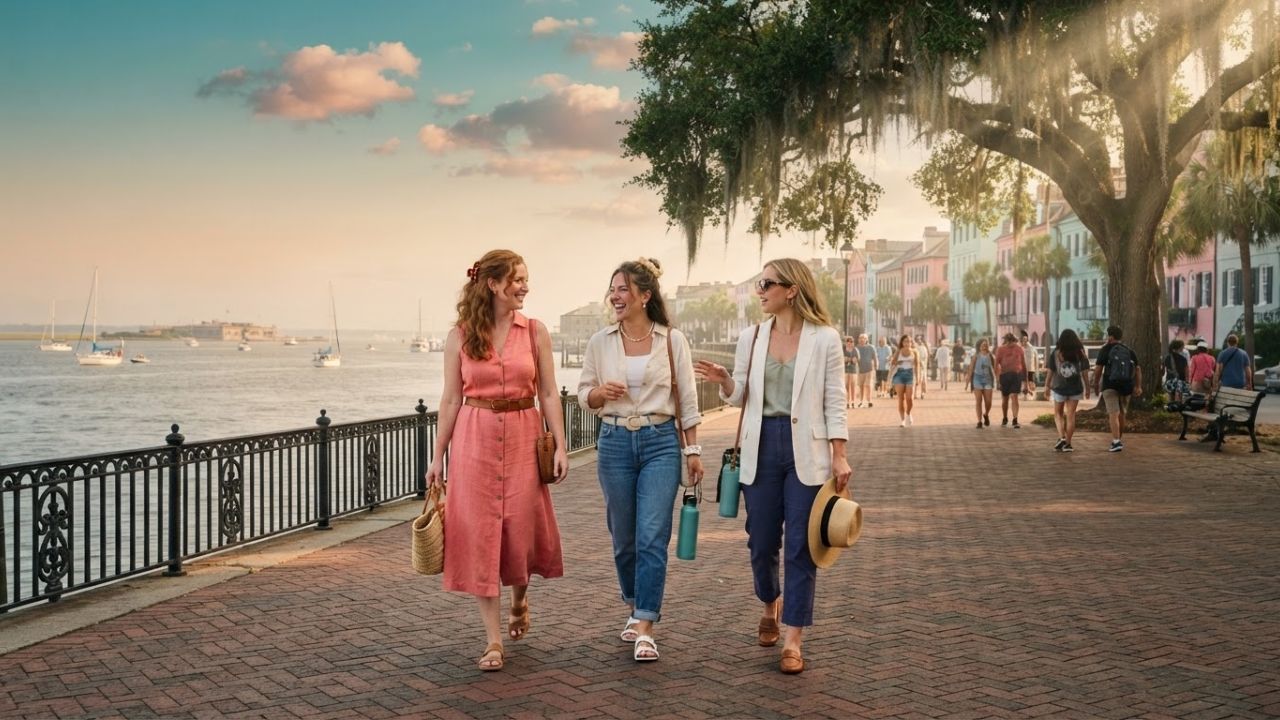
Image generated by AI
The Sun Belt is dominating the United States domestic leisure travel market in the summer of 2026, driven by South Carolina’s historic $31 billion economic impact and Charleston's high-end luxury resilience.
The Local Trend Revealed: Sun Belt Leisure travel Dominance
The geography of domestic tourism in the United States has experienced a structural shift toward the southern states, as travelers prioritize regional drive markets and value-driven destinations. The Spring 2026 U.S. Travel Forecast by the U.S. Travel Association projects total travel spending to reach $1.37 trillion in 2026, with the domestic leisure segment expanding to $909 billion (following a 2.1 per cent growth in 2025 and a projected 0.9 per cent increase in 2026).
At the forefront of this regional movement is the State of South Carolina. According to figures released by the South Carolina Department of Parks, Recreation and Tourism (SCPRT) in early 2026, the state’s tourism industry generated a record $31 billion economic impact in 2025 (a $1 billion increase over prior records). A primary catalyst was the $6 billion generated through hotel and vacation rental revenues, supporting 200,000 hospitality jobs (one in ten statewide jobs).
Within this performance:
- Charleston: Defied national occupancy downturns to record a $14 billion economic impact (up 7 per cent), representing 23.5 per cent of regional sales and employing 54,000 residents. Through Q3 2025, hotels maintained a 70.1 per cent occupancy rate and an average daily rate (ADR) of $168.41. Key events like the Spoleto arts festival’s 50th anniversary, the 20th anniversary of the Charleston Wine+Food Festival, and the opening of The Cooper luxury waterfront hotel are driving 2026 demand.
- Myrtle Beach (Grand Strand): Reported $13.2 billion in visitor spending, supporting 82,000 jobs and generating $59 million in Horry County tax revenue, despite navigating a minor 3 per cent occupancy decline due to economic pressures on middle-income households.
- Greenville (Upstate): Generated a $2.5 billion economic impact (supporting one out of 25 jobs in Greenville County and $201 million in local taxes). Recovering from late 2024 Hurricane Helene disruptions, hotels recorded a 64 per cent occupancy rate and a $124.46 ADR.
- Columbia (Midlands): Recorded a $1.9 billion economic impact ($146 million in tax revenue, supporting 24,000 jobs), with niche sporting events growing 184 per cent to yield $21.3 million.
Additionally, domestic group travel is projected to reach $118 billion in 2026 (a 1.4 per cent increase), and business travel is expected to reach $319 billion (following a 1.1 per cent rise in 2025 to $317 billion). The SCPRT’s partnership with the PGA TOUR is projected to yield $8.56 million in hotel bookings. In the international sector, inbound arrivals are forecast to grow by 3.4 per cent to 70.6 million (with spending rebounding 1.6 per cent to $178 billion, following a 2.4 per cent drop in 2025 to $175 billion).
South Carolina Key Regional Tourism Metrics (2025-2026)
| Regional Destination | Recorded Economic Impact | Local Hospitality Employment | Key Performance Indicators | Primary Niche Market Driver |
|---|---|---|---|---|
| Charleston (Historic Coast) | $14 billion (up 7%) | Over 54,000 jobs | 70.1% occupancy, $168.41 ADR | Luxury heritage, Spoleto, culinary events |
| Grand Strand (Myrtle Beach) | $13.2 billion | Over 82,000 jobs | Minor 3% occupancy decline | Family beach vacations, Horry County tax base |
| Upstate (Greenville) | $2.5 billion | 1 out of 25 county jobs | 64% occupancy, $124.46 ADR | Mountain eco-tourism, culinary routes |
| Midlands (Columbia) | $1.9 billion | Over 24,000 jobs | $21.3 million sports tourism spend | Regional sports tournaments, capital events |
Cultural & Environmental Value: Protecting Coastal Marshes and Waterways
For the traveler, the real impact of this regional leisure dominance is the opportunity to engage in sustainable, low-impact travel that preserves the Lowcountry's unique cultural heritage and coastal wetlands. By choosing regional drive vacations and supporting locally owned restaurants, historic tours, and community conservation projects, visitors help distribute economic benefits directly to local residents.
Mapped in coordination with the SCPRT and regional environmental agencies, these sustainable practices support state-level initiatives to protect sensitive coastal habitats from overdevelopment, ensuring that the natural resource base remains pristine.
Destination Specialist Local Insider Tips
To help you enjoy your trip to South Carolina and explore its historic and natural spots comfortably, regional specialists suggest the following tips:
- Savor She-Crab Soup in Charleston: Experience traditional Lowcountry gastronomy. Sample authentic She-Crab Soup (a creamy blue crab soup flavored with crab roe and dry sherry) in the historic French Quarter.
- Explore the Swamp Rabbit Trail in Greenville: Take a bike ride along this 22-mile multi-use trail connecting downtown Greenville with the Blue Ridge foothills, supporting local businesses.
- Plan Around Peak Charleston Festivals: If visiting in 2026, secure your lodging early to align with the Spoleto festival’s 50th anniversary or the Charleston Wine+Food festival’s 20th anniversary.
- Visit Hunting Island State Park: Walk through maritime pine forests and climb the historic lighthouse at this protected barrier island, away from the crowded commercial resorts.
- Travel During the Spring or Autumn: Avoid the hot summer humidity and peak booking periods by planning your visits between March and May, or October and November.
Long-Term Outlook: Infrastructure and World Cup Planning
The long-term outlook for the Sun Belt’s visitor economy remains positive, supported by structural changes in domestic travel habits and major global sporting events like the FIFA World Cup in 2026. As regional transportation departments invest in airport modernizations and interstate highway upgrades, the South is positioned to maintain its market share. By balancing high-volume leisure demand with strict environmental protections and local workforce training programs, planners are building a resilient, year-round tourism sector.
Related Travel Guides
Disclaimer
This article is for informational and educational purposes only. It does not constitute legal, financial, or professional advice. While we strive to provide accurate and up-to-date information, travel policies, regulations, and conditions change rapidly. Always verify information with official sources before making travel decisions. Nomad Lawyer makes no representations about the accuracy, reliability, completeness, or suitability of the information provided. Readers should consult qualified professionals for advice specific to their circumstances. The views expressed in this article are those of the author and do not necessarily reflect the views of Nomad Lawyer.
Raushan Kumar
Founder & Lead Developer
Full-stack developer with 11+ years of experience and a passionate traveller. Raushan built Nomad Lawyer from the ground up with a vision to create the best travel and law experience on the web.
Learn more about our team →