
Why Soccer Fans Are Ditching Hotels for Home Rentals
Latino families across North America are abandoning traditional hotels for home-sharing accommodations during the upcoming soccer tournament, with 68% showing intense interest in matches.

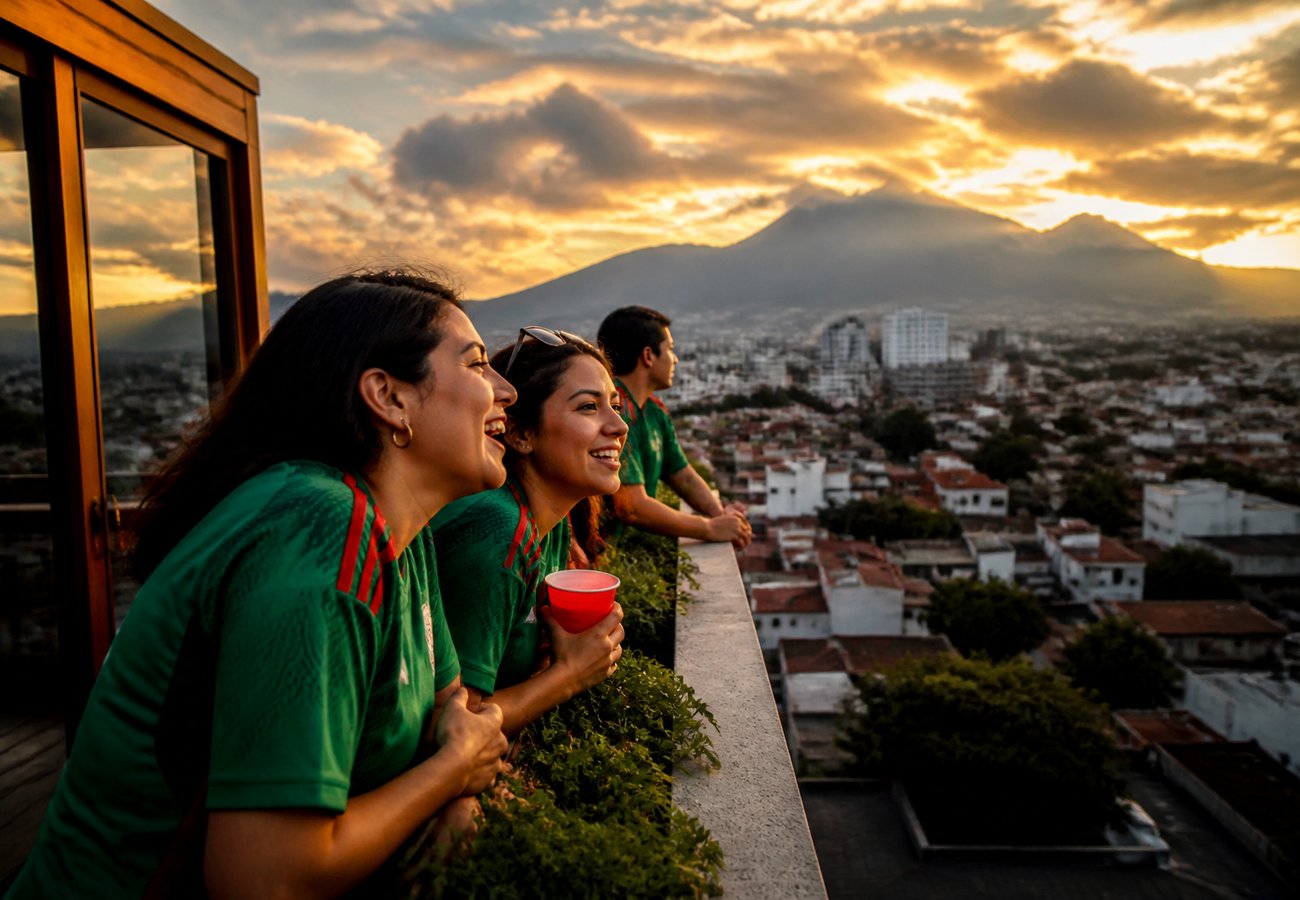
Image generated by AI
There's something electric happening in American households right now. Grandparents are dusting off their national jerseys. Kids are asking endless questions about their heritage. And families are abandoning the sterile corridors of chain hotels in favor of something far more meaningful: shared living spaces where they can cook traditional meals, shout together at crucial goals, and actually live like a family instead of paying strangers for a bed.
The upcoming soccer tournament has triggered a colossal cultural shift in how American travelers book accommodations, and the data is staggering.
The Seismic Shift Away from Traditional Hotel Bookings
A comprehensive independent study commissioned by Airbnb and conducted by established analytics firms has uncovered a fundamental transformation in travel behavior. This research aligns with regional commerce tracking from the U.S. Department of Commerce and state economic development offices, which are projecting record-breaking cross-border movement during the matches.
The numbers tell the real story: 68 percent of Latino adults in the United States express powerful interest in attending the tournament. But here's what's reshaping the entire hospitality sector—41 percent of these travelers say the matches are driving them to book vacations they never would have planned otherwise. Another 36 percent are extending previously scheduled trips just to soak in the soccer atmosphere.
Reddit: "My whole family finally gets to watch together without paying $200 a night to sleep in separate rooms." — r/travel
Why Hotels Simply Can't Compete With Multi-Family Homes
The structural reality of these incoming travelers demolishes the traditional hotel model. The analytics reveal that 56 percent of Latino vacationers habitually travel with extended family networks. More critically, 64 percent emphasize that keeping the entire family under one roof is non-negotiable.
Hotels can't scale to this demand. A standard room sleeps maybe four people. A home rental sleeps twelve, plus it has a full kitchen.
The data shows that 38 percent of upcoming travelers are moving in significantly larger groups than on previous trips. When you're coordinating grandparents, aunts, uncles, and cousins—61 percent of respondents confirmed that short-term rentals adapt to their collective spatial needs far more efficiently than standard hotels. Kitchen access isn't a luxury; it's essential for keeping group dining seamless and affordable.
Three Cities Are Absorbing the Entire Wave
The geographic concentration of booking spikes reveals where this cultural mobilization is hitting hardest. Miami leads with 36 percent of travelers planning trips to the coastal city. Los Angeles follows closely at 34 percent. The New York and New Jersey metropolitan region accounts for 32 percent.
Travel networks have responded by introducing a Shared Itinerary map feature, allowing entire groups to simultaneously view their reservations alongside neighborhood eateries. This transforms the booking process from isolated individual reservations into a coordinated family strategy. Municipal tourism boards are explicitly aiming to maximize this suburban visitor distribution during high-stakes sporting events.
The Money Flows to Neighborhoods, Not Hotel Chains
Here's where the real economic impact emerges. Traditional tourism dollars concentrate in downtown hotels and chain restaurants. This shift redistributes wealth directly into residential neighborhoods.
67 percent of Latino travelers view eating at independent restaurants and purchasing from small shops in the neighborhoods where they stay as highly important. Even more telling: 48 percent actively seek out authentic commercial zones over standard tourist traps. Over half of surveyed vacationers stated that direct recommendations from home hosts led them to discover hidden local businesses they never would have found otherwise.
According to Airbnb's economic impact research, community-based travel spending increases local business revenue by an average of 23 percent in residential areas. This money stays circulating through neighborhood economies instead of flowing to corporate headquarters.
The Deeper Story: Family, Heritage, and Belonging
Strip away the booking statistics and reservation data, and something more profound emerges. Families across Texas, California, Florida, and beyond are making deliberate choices about how they want to experience major life moments together.
The tournament itself is merely the spark. The real story is multi-generational households choosing to gather, to cook together, to celebrate shared roots, and to create memories that last decades. A hotel room isolates. A rented home connects.
For legal and visa considerations around extended family travel across state lines or international borders, travelers should review current U.S. State Department travel documentation requirements to ensure all family members carry appropriate identification. Additionally, home-sharing platforms now require clear liability disclosures in their rental terms—a marked shift from traditional hotel indemnification practices.
The vacation isn't about the destination anymore. It's about reclaiming the ritual of family gathering in an era when everyone usually lives scattered across different states, different time zones, different lives.
The true wealth of travel lies in the laughter shared across a dinner table, not in thread count or minibar markups.
Related Travel Guides
Raé by Tamara Redefines Spiritual Tourism With Faith-Intelligent Hospitality
Troller's Gill: Yorkshire Dales' Haunted Gorge Beckons Hikers
Disclaimer
This article is for informational and educational purposes only. It does not constitute legal, financial, or professional advice. While we strive to provide accurate and up-to-date information, travel policies, regulations, and conditions change rapidly. Always verify information with official sources before making travel decisions. Nomad Lawyer makes no representations about the accuracy, reliability, completeness, or suitability of the information provided. Readers should consult qualified professionals for advice specific to their circumstances. The views expressed in this article are those of the author and do not necessarily reflect the views of Nomad Lawyer.
Raushan Kumar
Founder & Lead Developer
Full-stack developer with 11+ years of experience and a passionate traveller. Raushan built Nomad Lawyer from the ground up with a vision to create the best travel and law experience on the web.
Learn more about our team →