
Lufthansa Accelerates Retirement of Four-Engine Jets Amid Aviation Industry Restructuring
Breaking airline news and aviation industry updates for 2026.

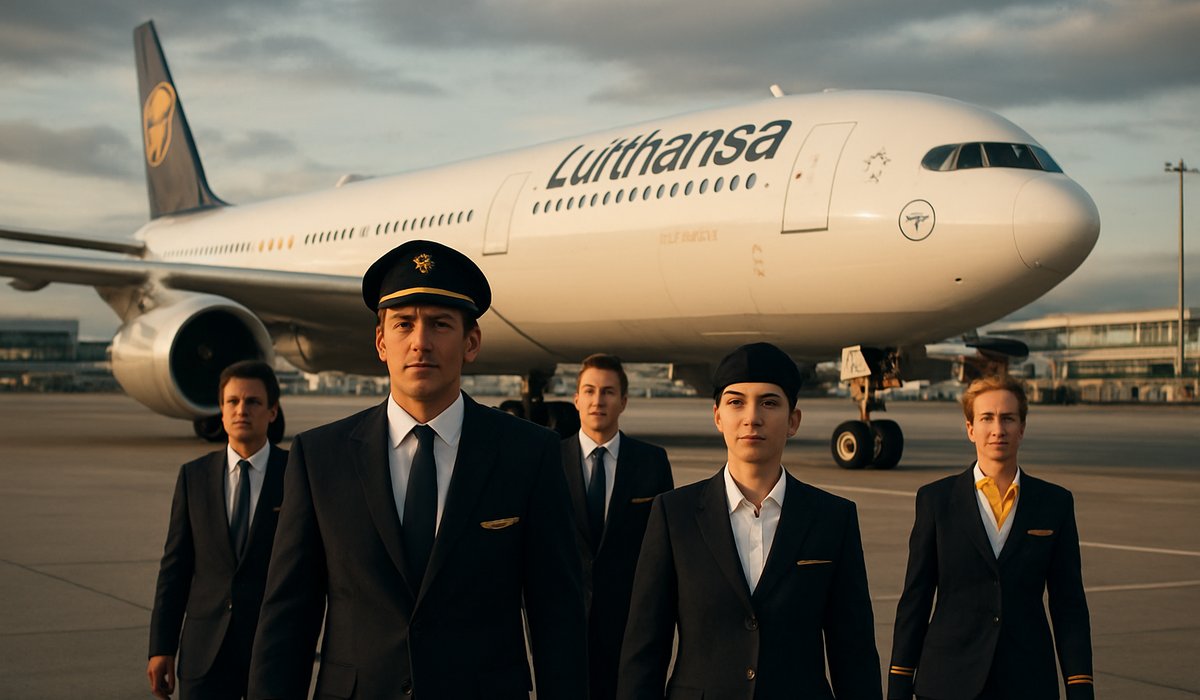
Image generated by AI
Lufthansa Accelerates Retirement of Four-Engine Jets Amid Aviation Industry Restructuring
German carrier abandons quadjet fleets earlier than planned, signaling seismic shift in long-haul aviation economics
The End of an Era for Iconic Widebody Aircraft
Lufthansa has announced an accelerated phase-out of its four-engine aircraft fleet, marking a decisive departure from decades of reliance on quadjet technology for intercontinental operations. The German aviation giant—which once commanded over 60 Airbus A340 and Boeing 747 aircraft at the height of its quadjet operations—is now moving aggressively toward retiring these aging widebodies ahead of schedule, fundamentally reshaping its approach to global air connectivity.
The strategic pivot underscores mounting pressure across the aviation industry, where fuel costs, maintenance expenses, and crew requirements for four-engine jets have become increasingly difficult to justify against newer, more efficient twin-engine alternatives like the Boeing 787 Dreamliner and Airbus A350.
Economic Realities Driving Fleet Modernization
The decision reflects a brutal economic calculus facing legacy carriers worldwide. Quadjet operations demand substantially higher operating costs per available seat kilometer compared to modern twin-engine competitors. With sustained volatility in jet fuel prices and persistent labor cost pressures, the financial case for maintaining aging four-engine fleets has eroded significantly.
Lufthansa's accelerated retirement timeline also aligns with broader industry consolidation trends. As carriers compete on long-haul routes, the efficiency gains delivered by newer aircraft—combined with lower maintenance and crew staffing requirements—have made quadjet operations increasingly untenable for profit-conscious operators.
Industry-Wide Implications for Transatlantic and Asian Routes
The German carrier's decision reverberates across the aviation sector, particularly on major long-haul corridors where quadjets historically dominated. Airlines operating similar fleets—including Air France, British Airways, and others—face mounting pressure to evaluate comparable retirement strategies.
Modern twin-engine widebodies now offer comparable range to their four-engine predecessors while delivering 15-25% superior fuel efficiency. This technological leap has fundamentally altered airline economics on intercontinental routes, rendering the redundancy benefits once prized in quadjet design less commercially compelling than fuel savings and operational simplicity.
The transition also carries implications for aircraft maintenance ecosystems and aviation employment, as quadjet retirement accelerates the industry's shift toward next-generation fleets globally.
What This Means for Passengers and Pricing
Consumers may experience modest adjustments in route availability during transition periods, though Lufthansa's deployment of newer widebodies is expected to maintain or enhance service levels. However, the sustained pressure on airline profitability from operating costs could perpetuate upward pressure on ticket pricing and baggage charges across premium cabin services.
FAQ: Understanding Lufthansa's Fleet Retirement and Aviation Industry Trends
Q: Why are airlines retiring four-engine jets earlier than expected? A: Quadjets require significantly higher fuel consumption, maintenance costs, and crew staffing compared to modern twin-engine aircraft. With jet fuel price volatility and competitive pressures, the economics no longer justify extended operations.
Q: How many aircraft is Lufthansa retiring from its quadjet fleet? A: While exact numbers weren't specified in this announcement, Lufthansa's remaining A340 and 747-400 inventory represents a fraction of its historical 60+ quadjet fleet at peak operations.
Q: What aircraft will replace Lufthansa's four-engine jets? A: The carrier is transitioning to modern twin-engine widebodies, primarily the Boeing 787 Dreamliner and Airbus A350, which offer superior fuel efficiency and lower operating costs.
Q: Will this affect airline fees and baggage charges? A: Indirectly, yes—industry-wide cost pressures from fleet transitions may contribute to sustained upward pressure on ancillary aviation fees as carriers maintain profitability margins.
Q: Which other airlines operate quadjets and might follow suit? A: Air France, British Airways, and several Asian carriers operate residual A340 and 747 fleets and face similar economic incentives to accelerate retirements.
Related Travel Guides
Flight Delay Compensation Guide 2026
Understanding Airline Route Changes
Airport Security Process Updated (2026)
External Resources
Disclaimer
This article is for informational and educational purposes only. It does not constitute legal, financial, or professional advice. While we strive to provide accurate and up-to-date information, travel policies, regulations, and conditions change rapidly. Always verify information with official sources before making travel decisions. Nomad Lawyer makes no representations about the accuracy, reliability, completeness, or suitability of the information provided. Readers should consult qualified professionals for advice specific to their circumstances. The views expressed in this article are those of the author and do not necessarily reflect the views of Nomad Lawyer.
Kunal K Choudhary
Co-Founder & Contributor
A passionate traveller and tech enthusiast. Kunal contributes to the vision and growth of Nomad Lawyer, bringing fresh perspectives and driving the community forward.
Learn more about our team →