
SkyWest-Operated United Express Flight SKW5565 Diverts from Charlottesville to Richmond in 2026
A SkyWest-operated United Express flight from Chicago O’Hare to Charlottesville diverted to Richmond International Airport on July 6, 2026, prioritizing safety protocols over scheduled arrival.

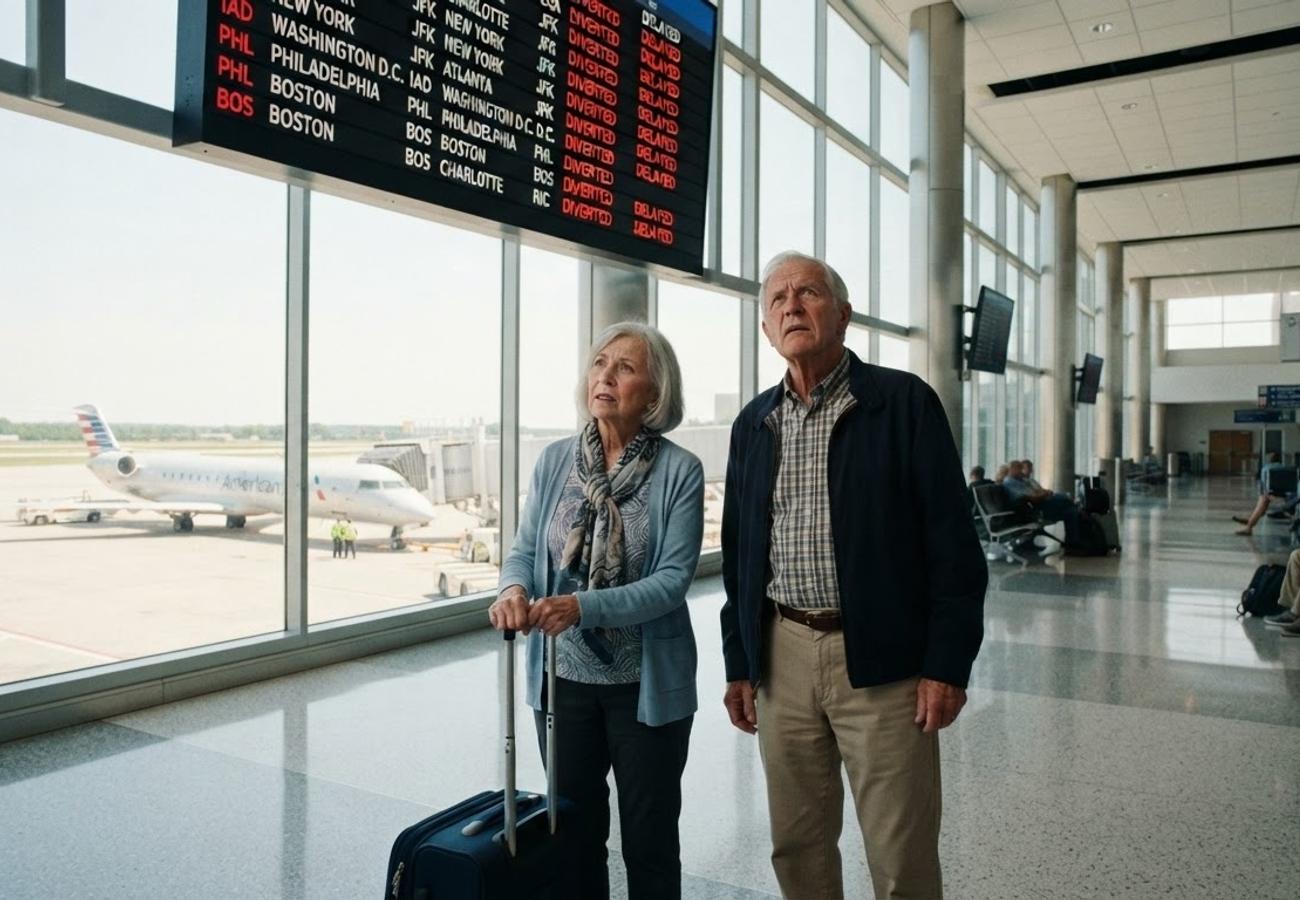
Image generated by AI
A regional flight operated by SkyWest for United Express was forced to deviate from its planned flight path on July 6, 2026. Flight SKW5565, traveling from Chicago O’Hare International Airport to Charlottesville-Albemarle Airport, diverted to Richmond International Airport in Virginia.
The aircraft landed safely, and official reports confirm there were no injuries or onboard emergencies. The diversion is being treated as a standard execution of aviation safety procedures, where crew members prioritize risk mitigation over adherence to a flight schedule.
Flight Details and Diversion Logistics
The aircraft involved was a Canadair Regional Jet (CRJ-700). After departing Chicago, the crew determined that landing at the intended destination in Charlottesville was not the most viable option, leading to the decision to redirect to Richmond.
Richmond International Airport (RIC) is a common diversion point for flights heading to Charlottesville due to its superior infrastructure. The facility offers longer runways and more robust passenger handling capabilities, making it a safer alternative when operational conditions at smaller regional airports fluctuate.
Flight Operational Summary
| Detail | Information |
|---|---|
| Flight Number | SKW5565 (United Express) |
| Operator | SkyWest Airlines |
| Aircraft Type | Canadair Regional Jet CRJ-700 |
| Departure Point | Chicago O’Hare (ORD) |
| Intended Destination | Charlottesville-Albemarle (CHO) |
| Diversion Airport | Richmond International (RIC) |
| Date of Incident | July 6, 2026 |
| Status | Safe Landing / No Injuries |
Analysis of Diversion Protocols in U.S. Aviation
While United Airlines and SkyWest have not released a specific cause for the diversion, such maneuvers are rarely the result of a single catastrophic failure. Instead, they are typically the outcome of a combined assessment of several variables.
Common triggers for diversions include:
- Weather Shifts: Sudden drops in visibility or wind shear at the destination.
- Airport Operations: Runway closures or ground traffic congestion.
- Technical Precaution: Minor mechanical anomalies that do not constitute an emergency but require a more equipped maintenance facility.
- Air Traffic Management: Directives from controllers to hold or divert due to airspace saturation.
The lack of an emergency declaration (Mayday) suggests that the crew and dispatch teams managed the situation proactively. This reflects the "layered" approach to safety used across the U.S. aviation network, where pilots are trained to identify potential issues long before they escalate into crises.
Passenger Impact and Recovery
Once the CRJ-700 touched down in Richmond, airline teams shifted from flight operations to passenger logistics. In diversion scenarios, the primary focus becomes "recovery," which involves coordinating ground transportation to the original destination or rebooking passengers on subsequent flights.
Because Richmond is a primary hub compared to the smaller Charlottesville airport, it provides the necessary facilities to manage a displaced passenger load efficiently. This ensures that while the schedule is disrupted, the safety and basic needs of the travelers remain supported.
The Significance of Proactive Diversions
This event highlights a fundamental shift in modern aviation: the move toward proactive rather than reactive decision-making. A diversion is often viewed by passengers as a failure of the journey, but from an analytical perspective, it is a success of the safety system.
By choosing to land at an alternate airport, the crew eliminated the risks associated with attempting a landing under suboptimal conditions. This prevents operational complications and ensures that the aircraft and passengers are not placed in a position of unnecessary vulnerability.
The safe arrival of SKW5565 in Richmond underscores the industry's commitment to safety over punctuality.
Related Travel Guides
Disclaimer
This article is for informational and educational purposes only. It does not constitute legal, financial, or professional advice. While we strive to provide accurate and up-to-date information, travel policies, regulations, and conditions change rapidly. Always verify information with official sources before making travel decisions. Nomad Lawyer makes no representations about the accuracy, reliability, completeness, or suitability of the information provided. Readers should consult qualified professionals for advice specific to their circumstances. The views expressed in this article are those of the author and do not necessarily reflect the views of Nomad Lawyer.
Kunal K Choudhary
Co-Founder & Contributor
A passionate traveller and tech enthusiast. Kunal contributes to the vision and growth of Nomad Lawyer, bringing fresh perspectives and driving the community forward.
Learn more about our team →