
Skymark Airlines Deploys Second Boeing 737-8 Aircraft at Tokyo Haneda to Accelerate Domestic Fleet Modernization Program
Skymark Airlines integrates its second Boeing 737-8 aircraft (JA738B) at Tokyo Haneda, upgrading domestic flights to Hokkaido and Okinawa.

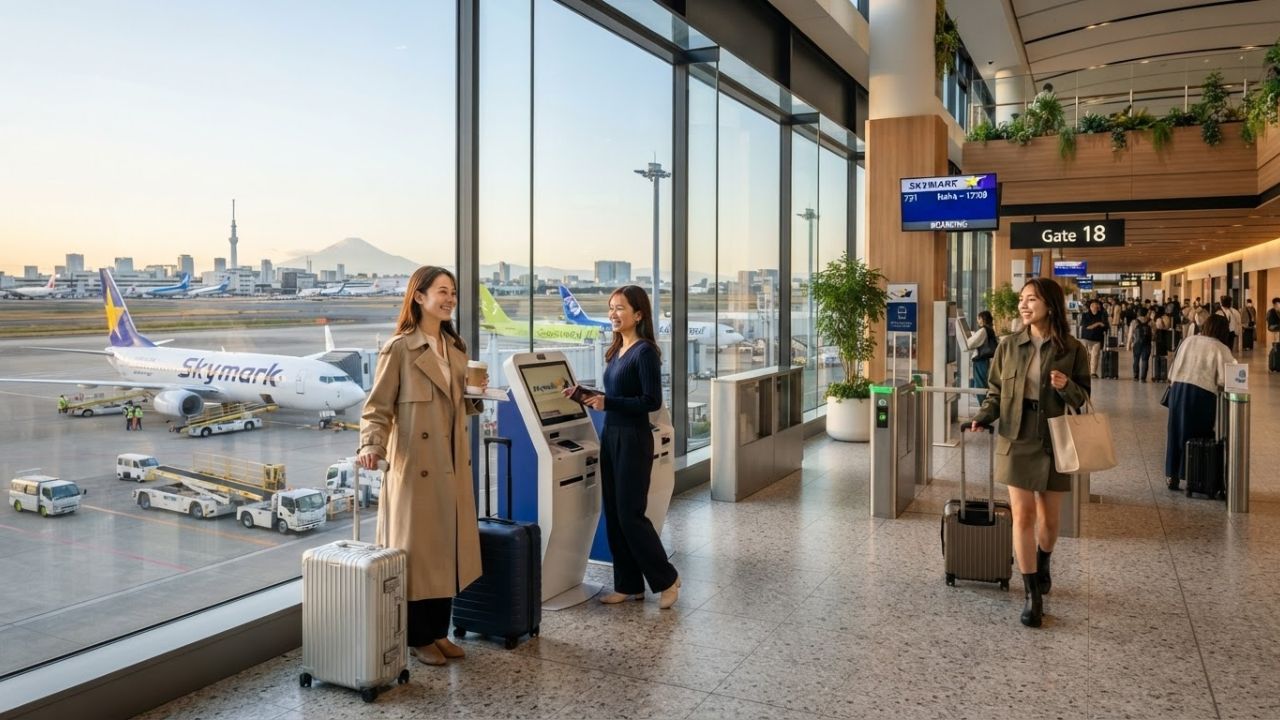
Image generated by AI
Skymark Airlines is accelerating its fleet renewal program with the arrival of its second Boeing 737-8 aircraft, registered as JA738B, at Tokyo Haneda Airport. The deployment marks a strategic transition toward fuel-efficient aircraft to support domestic tourism and business corridors.
The Core Transit Update
Skymark Airlines has integrated its second Boeing 737-8 aircraft, registered as JA738B, into its main flight operations at Tokyo Haneda Airport. The new narrow-body aircraft is part of a broader fleet renewal plan aimed at replacing the airline's aging Boeing 737-800 models with next-generation Boeing 737 MAX series jets. Passengers can check specific aircraft deployment schedules and seat configurations on the Skymark Airlines official portal.
The Boeing 737-8 utilizes advanced aerodynamic designs and upgraded engines to reduce fuel consumption and carbon emissions. This fleet modernization aligns with environmental targets monitored by Japan's Ministry of Land, Infrastructure, Transport and Tourism (MLIT). The transition helps the carrier manage fuel costs while offering updated cabin interiors and increased reliability on primary domestic routes.
Transit Schedule & Route Specifications
The new aircraft will support Skymark's key domestic routes linking Tokyo Haneda with regional economic and vacation hubs across Japan. Flight tracking and aircraft status updates are regularly posted on the Tokyo Haneda Airport flight info registry. The table below details the strategic operational parameters of the fleet renewal program.
| Operational Category | Current Status | Expected Upgrade Transition | Strategic & Fleet Significance |
|---|---|---|---|
| New Aircraft Delivery | Boeing 737-8 (MAX) | Registered as JA738B; operational July 2026 | Second next-generation jet added to Skymark's fleet |
| Fleet Replacement Plan | Boeing 737-800 jets | Gradual replacement with Boeing 737-8 aircraft | Lowers maintenance downtime and operational costs |
| Core Flight Hub | Tokyo Haneda Airport (HND) | Consolidated departures from Terminal 1 | Principal gateway for Skymark's domestic routes |
| Key Regional Corridors | Hokkaido, Okinawa, and Kyushu | Increased flight frequency and capacity | Connects capital center with regional tourist hubs |
| Environmental Targets | Older engine baselines | Reduced carbon footprint per seat-mile | Aligns with MLIT civil aviation emission guidelines |
| Cabin Experience | Standard legacy seating | Modern slimline seats and USB charging ports | Enhances passenger comfort on long-haul domestic routes |
Traveler Logistics Guide
Domestic travelers connecting through Tokyo Haneda Airport should allow sufficient layover times when transitioning between international and domestic flights. A minimum connection time of 75 to 90 minutes is recommended if bag re-check is required, especially during peak summer and winter holiday travel windows. Terminal transfers at Haneda are serviced by frequent shuttle buses operating between the international and domestic terminals.
Ticketing options can be managed digitally to streamline check-in processes and bypass physical terminal queues. Passengers flying on domestic segments within Japan should confirm baggage allowance policies, as low-cost and regional carriers often enforce stricter weight limits than international long-haul airlines. Travelers can monitor real-time departure boards and gate changes using the official airport mobile application before arrival.
Infrastructure Impact Assessment
The deployment of fuel-efficient Boeing 737-8 aircraft strengthens Japan's domestic transportation grid by boosting seat capacity on high-demand regional routes. Connecting Tokyo with regional cultural hubs like Hokkaido and Okinawa supports local economies and promotes decentralization of tourism. Improved aircraft reliability helps prevent delays, which is critical for business passengers relying on precise travel schedules.
By modernizing their fleets, regional carriers are also able to maintain competitive airfares despite rising fuel costs. The transition to quieter, lower-emission aircraft supports communities living near major urban flight paths like those surrounding Haneda. This infrastructure modernization supports the government's long-term goal of increasing international visitor numbers to regional destinations across the archipelago.
Key Takeaways
- Fleet Modernization: Skymark Airlines has deployed its second Boeing 737-8 aircraft, registered as JA738B, to modernize its domestic fleet.
- Haneda Hub Operations: The new jet operates from Tokyo Haneda Airport, serving domestic passenger routes to Hokkaido, Okinawa, and Kyushu.
- Environmental Efficiency: The Boeing 737-8 reduces fuel burn and carbon emissions compared to the carrier's legacy Boeing 737-800 models.
- Traveler Logistics: Passengers connecting at Haneda are advised to allow 75 to 90 minutes for international-to-domestic transfers.
FAQ
What is the significance of the JA738B aircraft registration?
JA738B is the official civil aviation registration number for the second Boeing 737-8 aircraft integrated into Skymark Airlines' fleet in July 2026.
Which routes will the new Skymark Boeing 737-8 fly?
The aircraft is deployed on domestic routes originating from Tokyo Haneda Airport, connecting the capital with Hokkaido, Okinawa, and Kyushu destinations.
How does the new aircraft improve the passenger experience?
The Boeing 737-8 features a modern cabin layout, improved seat comfort, reduced cabin noise levels, and higher operational reliability compared to older planes.
Related Travel Guides
- South Korea and China Expand Bilateral Air Traffic Rights for the First Time in Seven Years Adding Seventy Weekly Flights
- Perth Airport Unveils Major Terminal One International Retail Upgrade Adding Fourteen Outlets Ahead of Peak Travel Season
- Jeju Air Cuts Flight Schedules Across South Korea Following Deadly Muan Airport Boeing 737-800 Crash and Regulatory Audits
Disclaimer
This article is for informational and educational purposes only. It does not constitute legal, financial, or professional advice. While we strive to provide accurate and up-to-date information, travel policies, regulations, and conditions change rapidly. Always verify information with official sources before making travel decisions. Nomad Lawyer makes no representations about the accuracy, reliability, completeness, or suitability of the information provided. Readers should consult qualified professionals for advice specific to their circumstances. The views expressed in this article are those of the author and do not necessarily reflect the views of Nomad Lawyer.
Kunal K Choudhary
Co-Founder & Contributor
A passionate traveller and tech enthusiast. Kunal contributes to the vision and growth of Nomad Lawyer, bringing fresh perspectives and driving the community forward.
Learn more about our team →