
Singapore Airlines Retires A380 Superjumbo Fleet From 11 Key Routes, Marking End of Double-Deck Era
Breaking airline news and aviation industry updates for 2026.

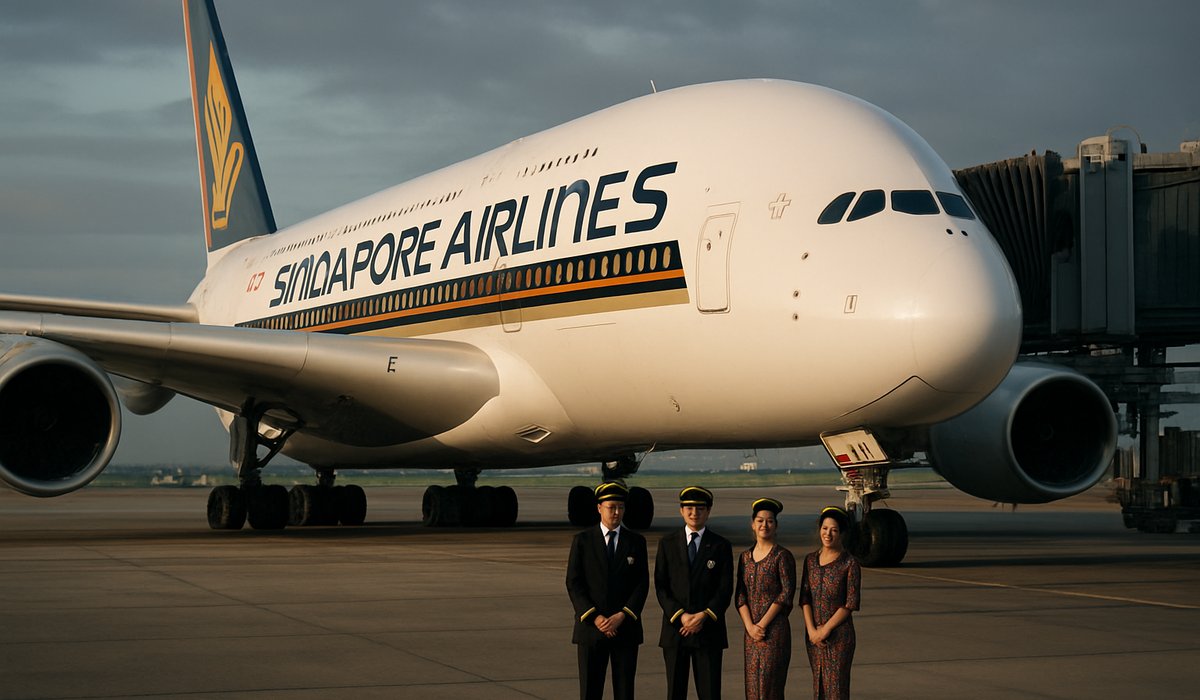
Image generated by AI
Singapore Airlines Retires A380 Superjumbo Fleet From 11 Key Routes, Marking End of Double-Deck Era
The carrier that launched the iconic Airbus A380 nearly two decades ago is systematically phasing out the world's largest passenger aircraft from major international networks
Historic Fleet Transition Underway
Singapore Airlines, the airline that pioneered the Airbus A380 when it became the aircraft's launch customer in October 2007, is accelerating the retirement of its superjumbo fleet across eleven major international routes. The withdrawal represents a significant shift in the carrier's long-haul strategy and signals broader industry trends toward smaller, more fuel-efficient widebody aircraft.
The Star Alliance member has now withdrawn a total of twelve A380s from active service, including the original delivery aircraft bearing registration 9V-SKA, which operated for a decade before retirement. The phase-out marks a notable departure from the double-deck aircraft that once symbolized the carrier's premium positioning on ultra-long-haul markets.
Drivers Behind the Strategic Retreat
The retirement accelerates amid evolving pressures reshaping global aviation economics. Rising jet fuel prices, lingering capacity uncertainties following the pandemic recovery period, and the operational advantages of newer twin-engine wide-body jets have prompted Singapore Airlines to reallocate A380s away from select markets.
Modern aircraft such as the Boeing 777X and Airbus A350 offer superior fuel efficiency and lower per-seat operating costs—critical metrics as carriers manage inflationary pressures and volatile energy markets. These newer platforms require smaller crews and generate reduced carbon emissions, aligning with increasingly stringent environmental regulations across major aviation markets.
Route-Specific Changes Impact Network
While the carrier maintains A380 operations on select flagship routes, the withdrawal from eleven services represents the restructuring of its premium long-haul portfolio. The phased approach allows Singapore Airlines to redeploy capacity strategically while maintaining service standards through alternative aircraft assignments.
The carrier has not disclosed specific timeline details for completing the full transition, though the systematic withdrawal suggests a multi-year repositioning process. Industry analysts note that such transitions typically span 24-36 months to accommodate schedule adjustments and crew training protocols for replacement aircraft.
Broader Industry Implications
The decision reflects a sector-wide reassessment of ultra-large aircraft viability. Only Emirates, Qatar Airways, and a limited number of carriers continue robust A380 operations, as production economics and route-specific demand have narrowed the aircraft's commercial appeal. Airbus completed final A380 production in 2021, ending the 13-year manufacturing run.
For Singapore Airlines specifically, the move preserves financial flexibility during a period of margin compression across premium cabin segments and volatile fuel surcharge environments.
Frequently Asked Questions
Why is Singapore Airlines retiring the A380? Modern twin-engine widebodies offer superior fuel efficiency and lower operating costs, while volatile jet fuel prices and changing market dynamics favor smaller aircraft on most international routes.
How many A380s has Singapore Airlines retired? The carrier has withdrawn twelve A380s from service, including the original launch aircraft delivered in 2007.
Will Singapore Airlines operate A380s on any routes? Yes, the carrier maintains A380 operations on select flagship routes where demand justifies the premium capacity of the double-deck aircraft.
What aircraft is replacing the A380 in Singapore Airlines' fleet? The carrier is deploying newer widebodies including the Airbus A350 and Boeing 777X, which offer improved fuel efficiency and operating economics.
How do airline baggage fees and fuel surcharges relate to aircraft retirements? Higher operating costs from fuel expenses drive carriers toward more efficient aircraft, potentially affecting baggage policies and surcharge structures as margins tighten.
Related Travel Guides
Flight Delay Compensation Guide 2026
Understanding Airline Route Changes
Airport Security Process Updated (2026)
External Resources
Disclaimer
This article is for informational and educational purposes only. It does not constitute legal, financial, or professional advice. While we strive to provide accurate and up-to-date information, travel policies, regulations, and conditions change rapidly. Always verify information with official sources before making travel decisions. Nomad Lawyer makes no representations about the accuracy, reliability, completeness, or suitability of the information provided. Readers should consult qualified professionals for advice specific to their circumstances. The views expressed in this article are those of the author and do not necessarily reflect the views of Nomad Lawyer.
Preeti Gunjan
Contributor & Community Manager
A passionate traveller and community builder. Preeti helps grow the Nomad Lawyer community, fostering engagement and bringing the reader experience to life.
Learn more about our team →