
Hawaiian Airlines Restricts Traditional Lei Uniforms While American Airlines Charts Course for Inflight Starlink Service
Breaking airline news and aviation industry updates for 2026.

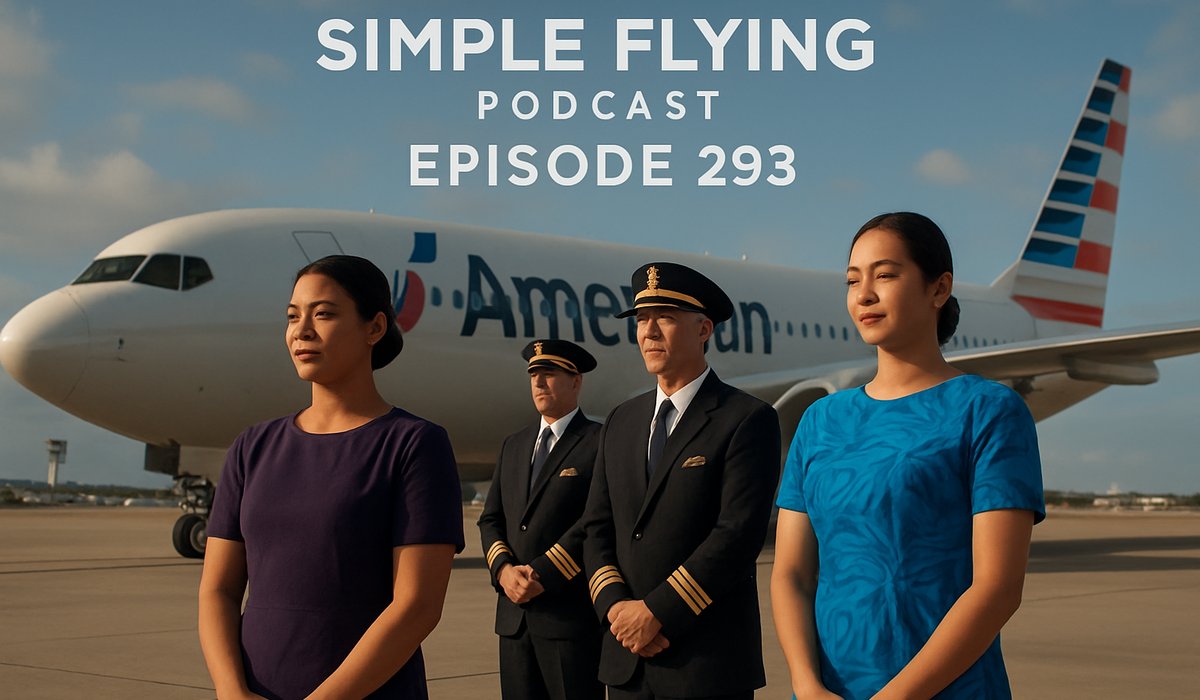
Image generated by AI
Hawaiian Airlines Restricts Traditional Lei Uniforms While American Airlines Charts Course for Inflight Starlink Service
Cultural policy shift sparks debate as major carriers navigate operational changes and connectivity investments
Workplace Policy Draws Fire Over Cultural Symbolism
Hawaiian Airlines has implemented a controversial new uniform directive that prohibits flight attendants from wearing traditional leis—a decision that has ignited discussion within the aviation industry about cultural identity and workplace standards. The policy marks a significant departure from the carrier's longstanding practice of incorporating Hawaiian cultural elements into crew attire, raising questions about corporate responsibility in regions with deep indigenous heritage.
The restriction applies across Hawaiian Airlines' entire flight attendant workforce, effectively eliminating a visual touchstone that has distinguished the carrier's brand identity for decades. Industry observers suggest the policy may relate to standardization efforts or safety protocols, though the move has prompted broader conversations about how major airlines balance operational requirements with cultural representation.
American Airlines Accelerates Connectivity Strategy
In parallel developments reshaping the in-flight experience, American Airlines is advancing plans to deploy Starlink satellite internet across its fleet—positioning the carrier at the forefront of passenger connectivity solutions. The initiative reflects intensifying competition among legacy carriers to enhance amenities and differentiate service offerings in an increasingly crowded market.
American's Starlink integration represents a substantial infrastructure investment aimed at delivering high-speed broadband to passengers at cruising altitude. The deployment could fundamentally alter how travelers work, stream, and communicate during flights, potentially elevating American's competitive standing against rivals offering comparable or inferior connectivity options.
Industry Implications
These developments underscore broader transformations occurring within commercial aviation. Carriers face mounting pressure to modernize operational practices while simultaneously navigating cultural sensitivities, labor considerations, and substantial capital expenditures in technology infrastructure.
Hawaiian Airlines' uniform policy and American Airlines' connectivity expansion reflect how major carriers are recalibrating their strategies in response to evolving passenger expectations, workforce dynamics, and competitive pressures. Both initiatives carry implications extending beyond individual airlines, influencing industry standards and shaping passenger experience benchmarks across the sector.
FAQ: Aviation Policy Changes and Inflight Connectivity
Why are airlines changing flight attendant uniform policies? Carriers often modify crew attire requirements based on safety protocols, standardization goals, and operational efficiency—though cultural implications remain contested, particularly for carriers operating in culturally significant regions.
How will Starlink improve the aviation experience? Satellite internet connectivity enables passengers to maintain productivity, streaming, and communication at cruise altitude, addressing a critical gap in current inflight amenity offerings.
What competitive advantages does inflight WiFi provide? High-speed connectivity differentiates premium service offerings, influences passenger loyalty programs, and positions carriers competitively against rivals in the premium leisure and business travel segments.
How much does satellite internet installation cost airlines? While specific investments vary, fleet-wide satellite system deployments typically represent multi-hundred-million-dollar commitments, reflecting the capital-intensive nature of modern aviation infrastructure upgrades.
Are other airlines adopting satellite internet? Yes—Starlink and competing satellite providers are negotiating agreements with multiple carriers, signaling industry-wide momentum toward ubiquitous inflight connectivity as a standard amenity rather than premium offering.
Related Travel Guides
Flight Delay Compensation Guide 2026
Understanding Airline Route Changes
Airport Security Process Updated (2026)
External Resources
Disclaimer
This article is for informational and educational purposes only. It does not constitute legal, financial, or professional advice. While we strive to provide accurate and up-to-date information, travel policies, regulations, and conditions change rapidly. Always verify information with official sources before making travel decisions. Nomad Lawyer makes no representations about the accuracy, reliability, completeness, or suitability of the information provided. Readers should consult qualified professionals for advice specific to their circumstances. The views expressed in this article are those of the author and do not necessarily reflect the views of Nomad Lawyer.
Raushan Kumar
Founder & Lead Developer
Full-stack developer with 11+ years of experience and a passionate traveller. Raushan built Nomad Lawyer from the ground up with a vision to create the best travel and law experience on the web.
Learn more about our team →