
Sierra Leone Gains Global Spotlight for Advancing Destination Branding and Strengthening Africa's Tourism Identity
Sierra Leone's Minister of Tourism, Nabeela Farida Tunis, earns global recognition in place branding, signaling a powerful shift in Africa's cultural and sustainable tourism strategy.

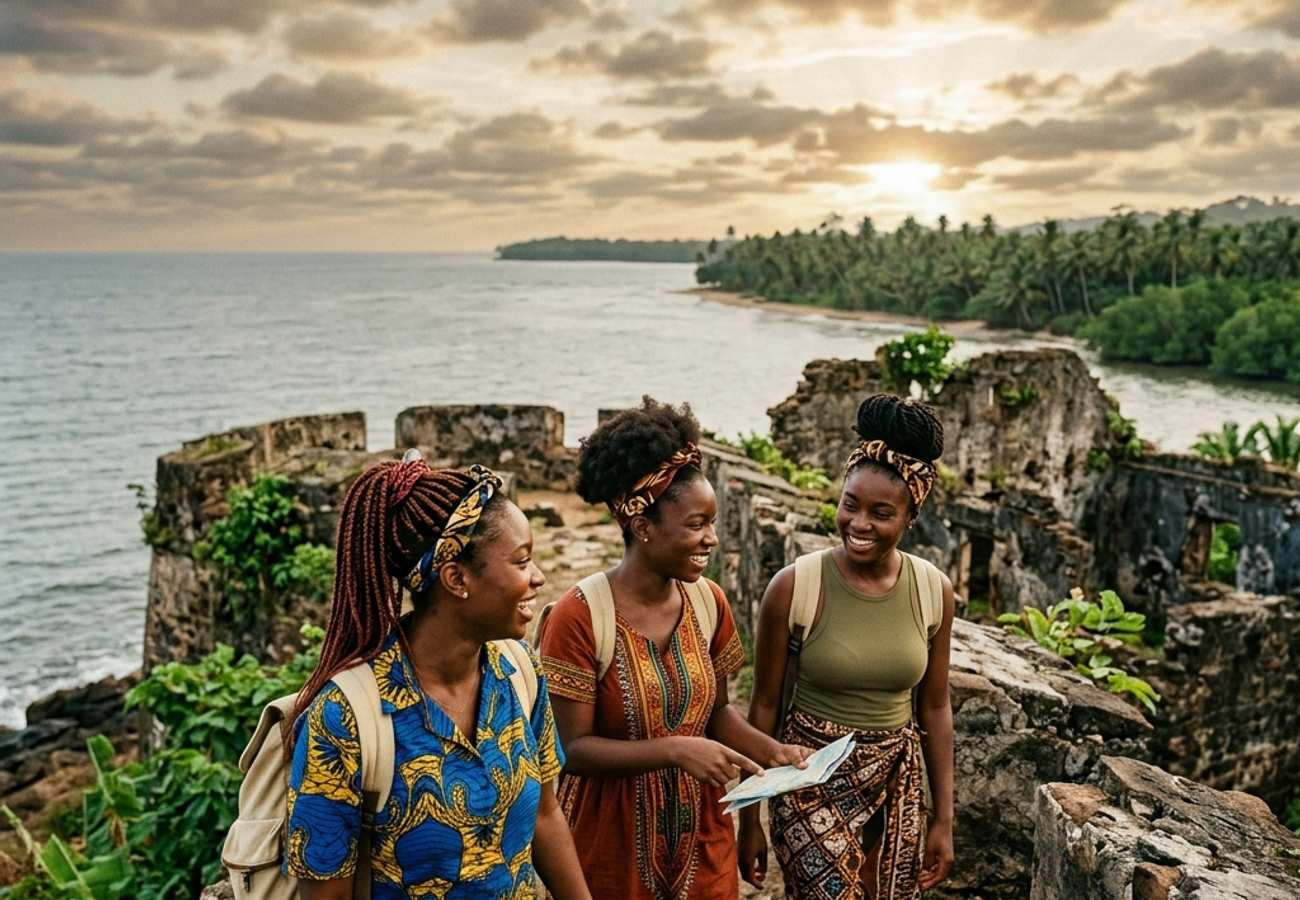
Image generated by AI
Sierra Leone Gains Global Spotlight for Advancing Destination Branding and Strengthening Africa’s Tourism Identity in 2026
The West African nation is successfully repositioning itself on the global stage, leveraging place branding as a powerful tool to drive investment, cultural pride, and sustainable ecotourism.
Sierra Leone’s Minister of Tourism and Cultural Affairs, Nabeela Farida Tunis, has been globally recognized for her exemplary, transformative leadership in destination place branding. Her inclusion in 2026’s prestigious cohort of the world’s most influential place branding leaders reflects a profound, growing international recognition of Africa’s evolving role in reshaping how travel destinations are marketed.
This achievement highlights the ongoing, aggressive journey that Sierra Leone is undertaking to completely reposition its tourism industry. Rather than relying on outdated marketing tropes, Minister Tunis has actively driven a strategy that treats tourism as a vital pillar of national development—fusing heritage conservation, ecotourism, and international diplomacy into a cohesive, highly attractive destination brand.
Context and Background: Place Branding as Soft Power
In the highly competitive modern travel landscape, countries are fighting not just for tourist arrivals, but for foreign investment and cultural influence. Place branding has officially transcended its traditional role as a simple marketing tool; it is now recognized as a critical lever for geopolitical "soft power."
Minister Tunis’s strategic approach began domestically, heavily promoting internal tourism awareness and ecotourism frameworks. These foundational efforts quickly evolved into a robust international outreach strategy. Central to this vision is the aggressive leveraging of Sierra Leone’s deeply profound cultural heritage. By positioning incredibly unique assets—such as the historically significant Bunce Island and the nation’s completely pristine, undeveloped coastline—Sierra Leone has successfully differentiated itself from more saturated global travel markets.
Breaking Down the Impact: A Pan-African Leadership Shift
Tunis’s inclusion in the 2026 global leadership cohort positions Sierra Leone firmly within a broader, highly sophisticated movement sweeping across African tourism leadership. The narrative is shifting violently away from traditional "landscapes and wildlife" marketing toward deeply integrated socioeconomic strategies.
Other notable African leaders recognized alongside Tunis for revolutionizing national tourism identities include:
- Abdoulie Jobe (The Gambia): Recently awarded the title of World’s Best Minister at the World Government Summit in Dubai for his incredibly innovative approach to explicitly linking destination marketing with foreign investment and cultural policy.
- Professor Kobby Mensah (Ghana): Globally celebrated for successfully bridging the gap between rigorous academia and industry practice, ensuring that Ghana's tourism policies are deeply rooted in factual research rather than mere speculation.
What Guests Face: The Demand for Authentic Experiences
For international tourists and regional stakeholders, this shift in branding translates directly into the availability of highly authentic, rigorously structured travel experiences.
Global travel trends indicate a massive pivot; modern tourists are actively rejecting overly commercialized vacations in favor of authentic cultural immersion. Sierra Leone, armed with a rich historical narrative and largely untapped natural beauty, is perfectly positioned to capture this high-intent demographic. By pushing an integrated model that intertwines tourism with governance and sustainable growth, visitors to Sierra Leone will encounter an emerging infrastructure that heavily respects local culture while providing premium, uncrowded access to West African heritage.
What This Means for Travelers: Opportunities for Travel Professionals
For travel professionals and corporate booking agents across Africa and Europe, this rebranding presents a massive commercial opportunity. As nations like Sierra Leone invest heavily in stabilizing and promoting their tourism sectors, the consumer demand for expert travel advice, highly unique itineraries, and guided cultural experiences will skyrocket.
Travel agents must immediately adapt their portfolios to highlight these emerging African destinations. Incorporating rigorously vetted sustainable tourism practices, promoting complex regional tourism circuits, and deeply understanding the historical context of sites like Bunce Island will allow professionals to capture the modern, highly lucrative experiential traveler.
FAQ: Sierra Leone Tourism and Branding 2026
Who is Nabeela Farida Tunis? Nabeela Farida Tunis is Sierra Leone’s Minister of Tourism and Cultural Affairs, globally recognized in 2026 as one of the world’s most influential figures in destination place branding.
What are the key tourism assets in Sierra Leone being promoted? The country's branding strategy heavily focuses on its pristine, untouched coastline, its commitment to ecotourism, and highly significant historical heritage sites such as Bunce Island.
What other African nations are recognized for strong tourism leadership? Leaders from The Gambia (Abdoulie Jobe) and Ghana (Prof. Kobby Mensah) were also globally recognized for seamlessly linking tourism policy with investment, academia, and cultural identity.
Related Travel Guides
Disclaimer
This article is for informational and educational purposes only. It does not constitute legal, financial, or professional advice. While we strive to provide accurate and up-to-date information, travel policies, regulations, and conditions change rapidly. Always verify information with official sources before making travel decisions. Nomad Lawyer makes no representations about the accuracy, reliability, completeness, or suitability of the information provided. Readers should consult qualified professionals for advice specific to their circumstances. The views expressed in this article are those of the author and do not necessarily reflect the views of Nomad Lawyer.
Kunal K Choudhary
Co-Founder & Contributor
A passionate traveller and tech enthusiast. Kunal contributes to the vision and growth of Nomad Lawyer, bringing fresh perspectives and driving the community forward.
Learn more about our team →