
Siemens Mobility to Modernize Austria's Zillertalbahn with Trainguard STC Digital Rail Technology by 2028
Austria is upgrading the historic Zillertalbahn railway using Siemens Mobility's Trainguard STC technology to implement digital traffic control and satellite positioning by 2028.

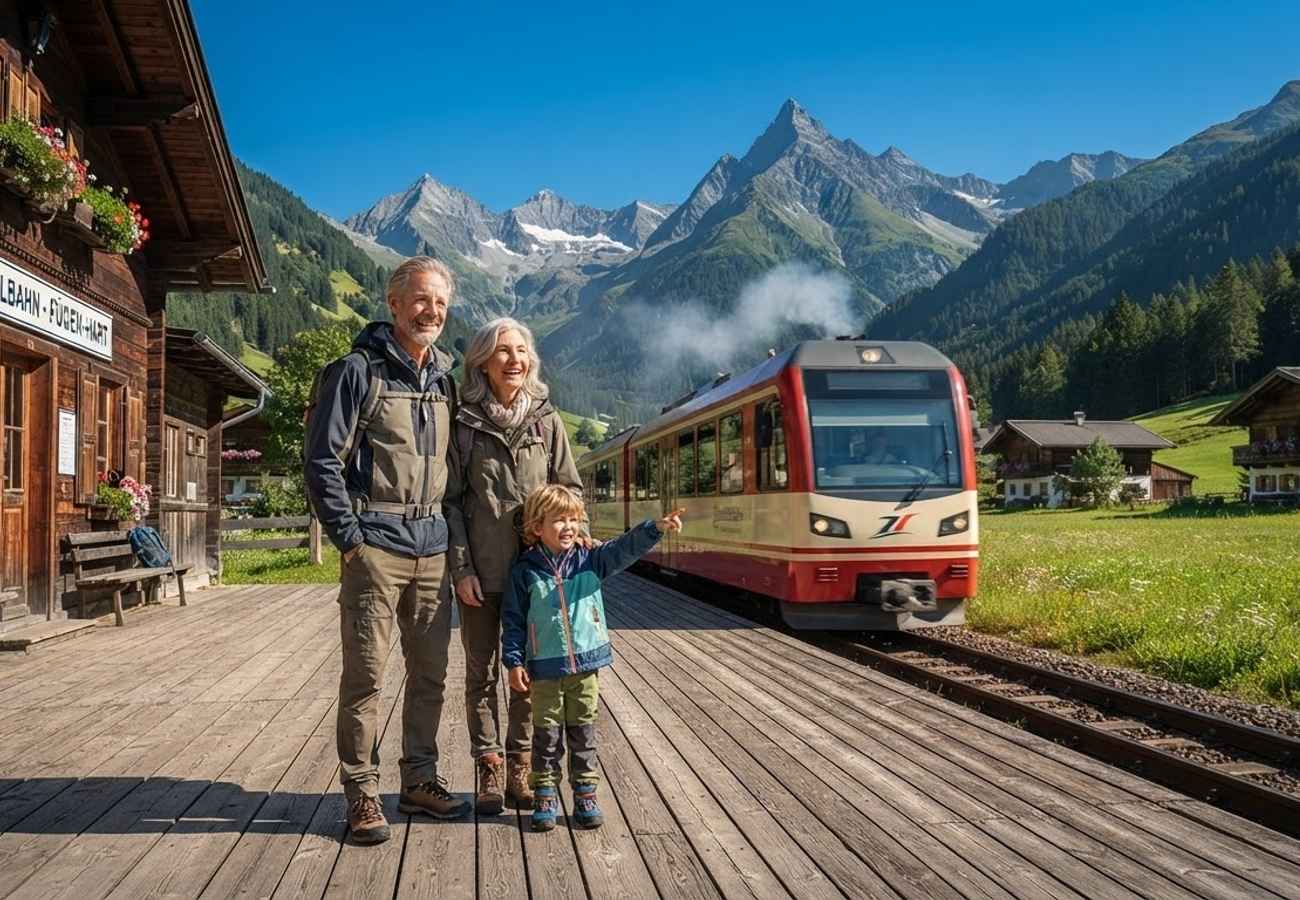
Image generated by AI
Austria is transitioning its historic Zillertalbahn narrow-gauge railway into a digitally managed corridor via a comprehensive contract with Siemens Mobility. The project integrates satellite positioning and automated safety systems to replace legacy signaling, with full commissioning slated for 2028.
The modernization focuses on the 32-kilometer stretch between Jenbach and Mayrhofen in the Tyrol region. By deploying Trainguard STC technology, the Zillertaler Verkehrsbetriebe is moving away from traditional, hardware-heavy signaling toward a software-driven operational model. This shift is designed to increase capacity and reliability while preserving the historic character of one of Austria's most recognized rail lines.
The scope of the upgrade is exhaustive, covering 16 trains, 82 switches, 10 stations, and eight stops. Beyond the immediate hardware installation, Siemens Mobility has committed to a maintenance agreement spanning at least 20 years to ensure the system's long-term viability.
Zillertalbahn Digital Upgrade Specifications
| Project Element | Details |
|---|---|
| Railway Line | Zillertalbahn |
| Route Length | 32 km |
| Route | Jenbach – Mayrhofen |
| Country | Austria |
| Technology | Siemens Mobility Trainguard STC |
| Planned Commissioning | 2028 |
| Maintenance Agreement | Minimum 20 years |
Operational Safety and Passenger Enhancements
The implementation of Trainguard STC replaces fixed trackside signals with a combination of radio communication and satellite positioning. This allows for continuous train monitoring and real-time traffic management.
Industry observers note several critical safety and efficiency gains:
- Automated Braking: Onboard systems calculate braking curves and monitor speed, triggering emergency brakes automatically if operational limits are breached.
- Level Crossing Integration: 23 railway level crossings are now linked to the digital platform. The system verifies protection mechanisms are active before allowing a train to proceed.
- Precision Tracking: Satellite data provides accurate train locations, reducing delays and improving scheduling.
- Digital Passenger Interface: Real-time arrival/departure data will be available at stations and via digital platforms, while stop requests will be transmitted electronically.
Integration with Decarbonization Goals
This digital overhaul is not a standalone project but a pillar of a wider environmental strategy. Zillertaler Verkehrsbetriebe is currently installing overhead contact lines to facilitate full electrification.
By pairing electrified infrastructure with intelligent traffic management, Austria aims to eliminate diesel reliance on this route. This dual approach reduces the carbon footprint of regional tourism in the Zillertal Valley, aligning the railway with national climate objectives.
Technical Performance Metrics
| Feature | Passenger & Operational Benefit |
|---|---|
| Continuous Monitoring | Increased operational reliability |
| Satellite Positioning | Precision train tracking |
| Digital Management | Significant reduction in delays |
| Braking Supervision | Mitigation of human error |
| Real-time Info | Optimized journey planning |
| Electronic Stop Requests | Improved timetable efficiency |
Why This Matters: Industry Analysis
The Zillertalbahn project serves as a blueprint for the "digitization of heritage." Historically, narrow-gauge and regional railways have struggled with the high cost of installing traditional signaling infrastructure. The use of Trainguard STC demonstrates a shift toward "virtual signaling," where the intelligence resides in the train and the cloud rather than in the trackbed.
From a market perspective, this indicates that Siemens Mobility is positioning its STC technology as the primary solution for regional operators who require modern safety standards without the prohibitive capital expenditure of full-scale mainline upgrades. For the travel industry, this means that sustainable, "slow travel" corridors in alpine regions can now offer the same reliability and safety metrics as high-speed urban networks.
Forward Outlook
Expect the Zillertalbahn to serve as a pilot for other narrow-gauge lines across Europe. If the 2028 commissioning meets efficiency targets, a trend toward satellite-based traffic control will likely accelerate across the EU's regional rail sectors. The 20-year maintenance window suggests a long-term commitment to software-as-a-service (SaaS) models in rail operations, moving the industry away from periodic hardware replacements toward continuous digital optimization.
The intersection of 120-year-old rail heritage and satellite-driven automation defines the new era of Austrian regional transit.
Related Travel Guides
Disclaimer
This article is for informational and educational purposes only. It does not constitute legal, financial, or professional advice. While we strive to provide accurate and up-to-date information, travel policies, regulations, and conditions change rapidly. Always verify information with official sources before making travel decisions. Nomad Lawyer makes no representations about the accuracy, reliability, completeness, or suitability of the information provided. Readers should consult qualified professionals for advice specific to their circumstances. The views expressed in this article are those of the author and do not necessarily reflect the views of Nomad Lawyer.
Preeti Gunjan
Contributor & Community Manager
A passionate traveller and community builder. Preeti helps grow the Nomad Lawyer community, fostering engagement and bringing the reader experience to life.
Learn more about our team →