
Seoul Incheon Airport Braces for 48,660 Foreign Arrivals as BTS Concert Triggers Immigration Surge
South Korea's largest airport ramps up immigration staffing by 88% ahead of BTS's Busan concert, expecting nearly 50,000 international arrivals in a single day.

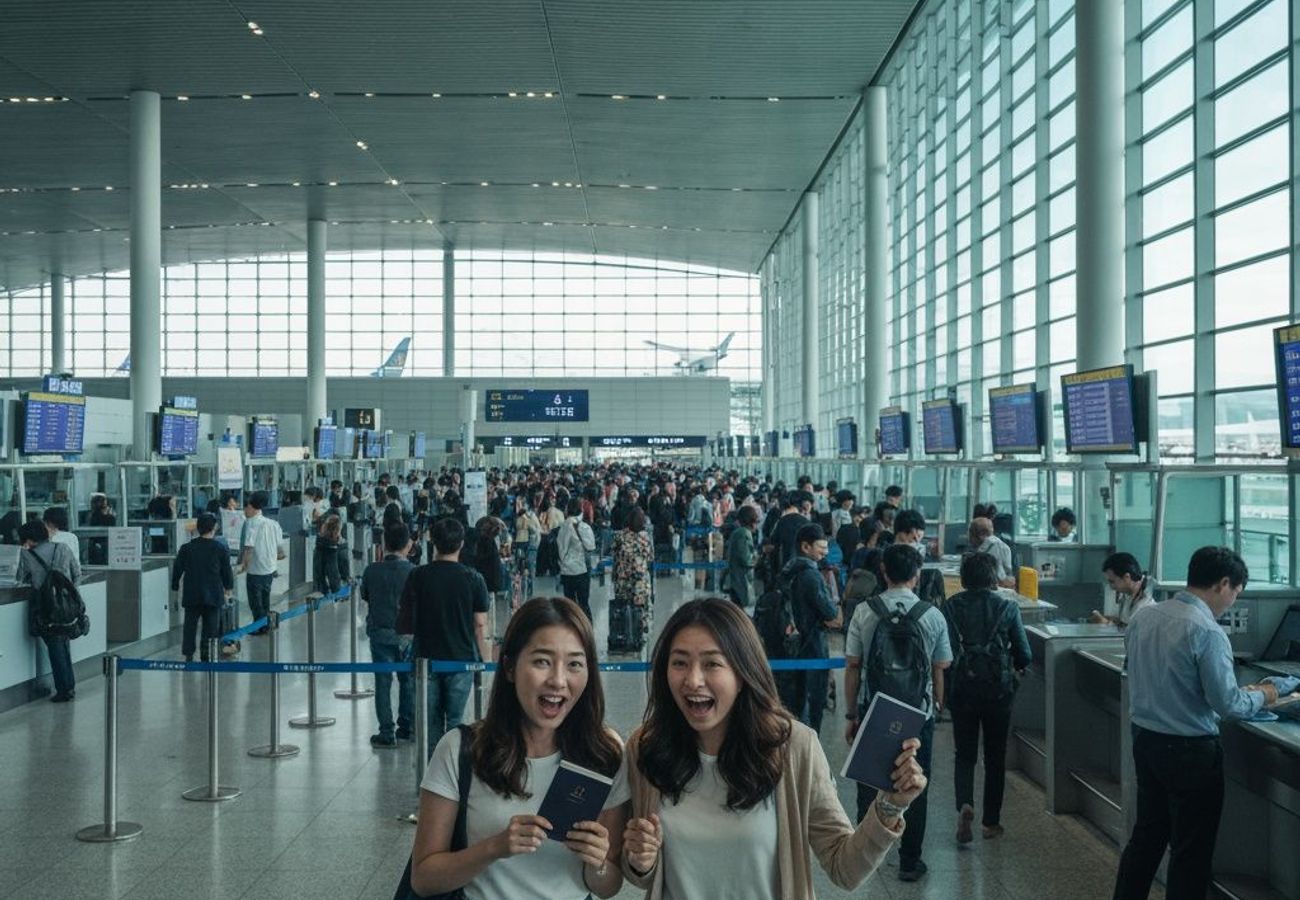
Image generated by AI
Mass Tourism Convergence: When K-Pop Collides With Airport Infrastructure
Seoul Incheon International Airport (ICN) is facing its biggest single-day international arrival surge in months. Immigration authorities are preparing for nearly 48,660 foreign visitors to pass through the country's primary international gateway on Thursday—a staggering 15% spike compared to the same day the previous week.
What's driving this unprecedented rush? The answer sits 450 kilometers south in Busan: a two-day BTS concert starting Friday that's drawing global fandoms from across Asia and beyond.
I've covered major airport capacity challenges before, but what's happening at Incheon represents a fascinating case study in real-time crisis management. South Korean immigration authorities aren't just hoping for the best—they're executing a surgical staffing response that should become a template for how modern airports handle cultural event surges.
The 88% Staffing Surge That Changed Everything
Here's where this story gets genuinely impressive: the Incheon Airport Immigration Office has increased on-duty officers by as much as 88% across four consecutive days beginning Wednesday.
This isn't marginal tinkering. This is full infrastructure mobilization.
Officials are deploying additional supervisory personnel and passenger guidance staff throughout inspection halls. The strategy focuses on two critical outcomes: reducing congestion and dramatically improving throughput during peak hours. An immigration official confirmed that authorities remain "highly vigilant" regarding the anticipated influx—bureaucratic speak for "we're ready for chaos."
Reddit: "Just flew through Incheon during a Super Junior concert. The lines were insane, but they had so many staff working the gates. Still took 45 minutes though." — r/korea
The real tactical advantage comes from advanced flight monitoring. By analyzing arrival schedules and passenger volumes ahead of time, the agency distributes resources where they'll matter most, preventing the nightmare scenario of 20,000 people bottlenecking at immigration at 4 PM.
The BTS Tourism Multiplier Effect
BTS's cultural gravity extends far beyond concert tickets. Previous concerts in April demonstrated the group's outsized influence on inbound tourism patterns.
During those April events, foreign arrivals through Incheon spiked 26% above the typical daily average of approximately 38,000 visitors. That means BTS alone can add 10,000+ international arrivals to a single day's flow.
The geographic breakdown tells a revealing story about K-pop's reach: Chinese travelers dominated the influx, but authorities also recorded substantial increases from Japan, Taiwan, and Southeast Asian nations. These aren't casual tourists—they're dedicated fans with plans, visas, and spending power.
Some international visitors will route through Gimhae International Airport (PUS) near Busan itself, but Incheon's advantage is undeniable. Superior route networks, greater passenger capacity, and international connectivity make it the preferred entry point for most travelers. Even fans flying to Busan often choose the longer journey through Seoul.
What This Means for Travelers Heading to Korea
If you're planning to arrive in South Korea between Wednesday and Saturday, expect longer processing times. The silver lining: authorities are overstaffed, not understaffed.
Immigration lines typically run 15-30 minutes during normal periods. During the concert surge, realistic expectations should push that to 45-60 minutes, even with the enhanced staffing response. Budget your airport time accordingly.
Pro tip: If you're not attending the concert, consider shifting your Seoul arrival to a different week. If you are attending and must arrive Thursday, aim for early morning flights—before 10 AM—to catch the pre-surge immigration window.
The deeper lesson here cuts across travel planning globally: major cultural events create measurable, predictable surges that smart airports now anticipate. What we're seeing at Incheon isn't reactive firefighting—it's proactive infrastructure choreography. Modern airports increasingly use predictive analytics to model passenger flows for major events, allowing immigration and customs agencies to deploy resources precisely when needed.
South Korea's immigration system has become expert at managing these spikes. The country hosts frequent major concerts, esports tournaments, and sporting events that draw international crowds. This Thursday's surge represents just another data point in an increasingly sophisticated transportation management playbook.
The real winners? Travelers who understand that K-pop's global dominance isn't just cultural—it's logistical.
Related Travel Guides
Disclaimer
This article is for informational and educational purposes only. It does not constitute legal, financial, or professional advice. While we strive to provide accurate and up-to-date information, travel policies, regulations, and conditions change rapidly. Always verify information with official sources before making travel decisions. Nomad Lawyer makes no representations about the accuracy, reliability, completeness, or suitability of the information provided. Readers should consult qualified professionals for advice specific to their circumstances. The views expressed in this article are those of the author and do not necessarily reflect the views of Nomad Lawyer.
Raushan Kumar
Founder & Lead Developer
Full-stack developer with 11+ years of experience and a passionate traveller. Raushan built Nomad Lawyer from the ground up with a vision to create the best travel and law experience on the web.
Learn more about our team →