
Seattle-Tacoma Airport Travel Chaos: Alaska Airlines and American Face Massive Delays as Disruptions Hit New York, London, and Los Angeles Routes; Sea-Tac Airport Disruptions Worsen in May 2026
Seattle-Tacoma International Airport (SEA) is currently battling a significant wave of travel chaos as 41 flights face delays and 1 is cancelled. Alaska Airlines leads the disruption count, impacting major domestic and international corridors including Seattle to London, New York, and Los Angeles.

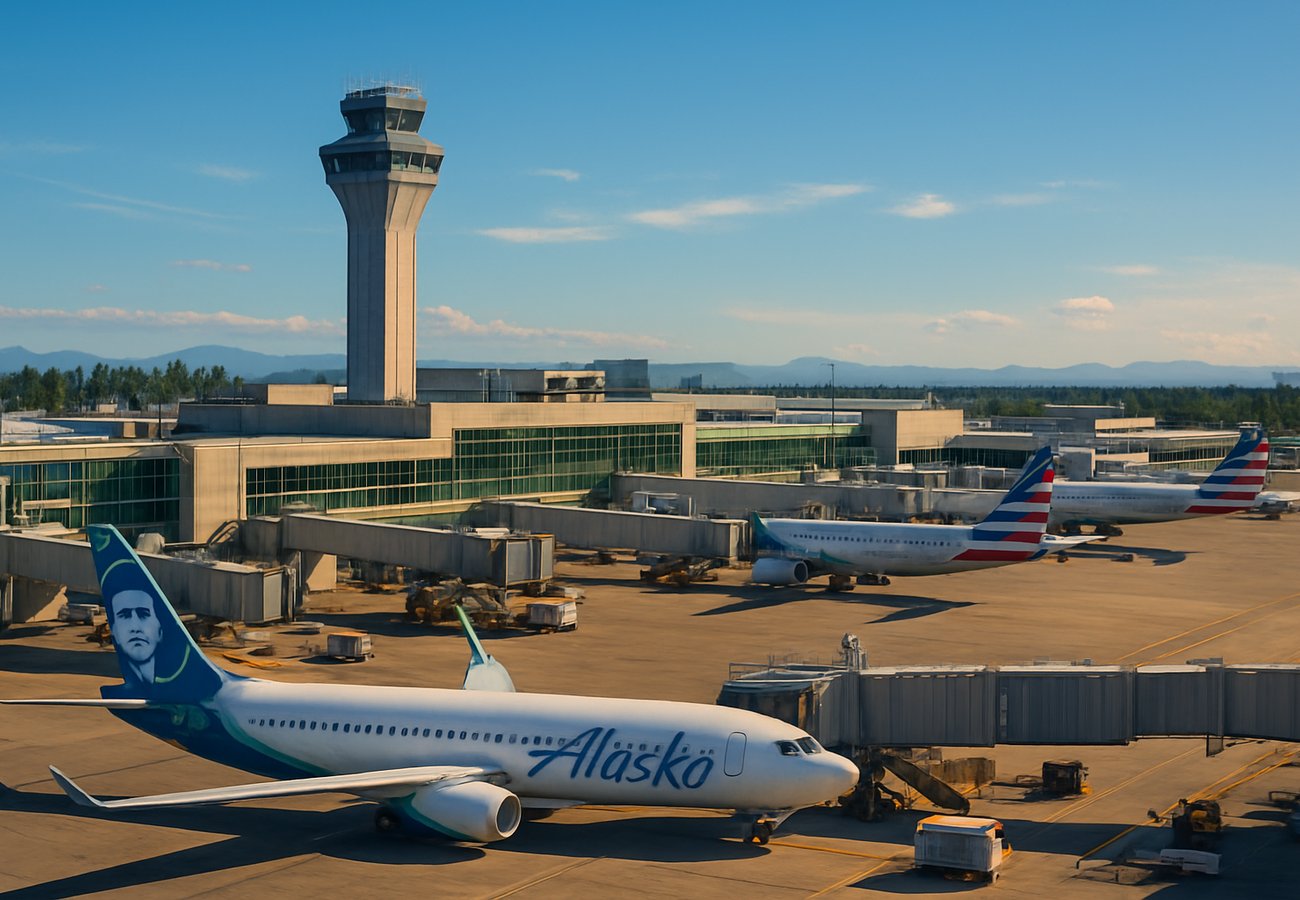
Pacific Northwest Gridlock: Sea-Tac Airport faces operational challenges as delays ripple across global networks.
Seattle-Tacoma International Gripped by Massive Travel Chaos; Alaska Airlines and American Lead 41 Disruptions Impacting New York, London, and Los Angeles Hubs
In a significant setback for Pacific Northwest aviation, Seattle-Tacoma International Airport (SEA) is currently grappling with widespread travel chaos as a surge of 41 flight delays and 1 cancellation grounds travelers during the peak May 2026 window. This airline news update confirms that Alaska Airlines, the airport’s primary tenant, is at the heart of the disruption with 19 reported delays. The ripple effect has rapidly expanded to include major international carriers such as British Airways, American Airlines, United, and Delta, leaving thousands of passengers stranded and facing "uncertain departure windows" for critical routes to London, New York, and Los Angeles.
The scale of the airport disruptions at Sea-Tac reflects a broader operational strain currently affecting the US West Coast. While only a single cancellation has been reported thus far, the volume of rolling delays—some reaching as high as 50% for specific international services like those of Condor—is creating a "Logistical Bottleneck" that threatens to derail business itineraries and vacation plans alike. As the situation at SEA unfolds, the passenger experience is being defined by overcrowded terminals and a frantic search for alternative flight options.
Expanded Overview: The Sea-Tac Bottleneck and Regional Impact
As the primary gateway for the Pacific Northwest, any disruption at Sea-Tac has immediate and far-reaching consequences for the entire US aviation grid. Today’s travel chaos is particularly problematic because it has hit the morning and early afternoon "Departure Banks," which are essential for passengers connecting to East Coast hubs like JFK and EWR. This aviation update highlights that the 19 delays from Alaska Airlines alone represent a significant portion of the hub's regional feed, causing missed connections for those traveling from smaller cities to international destinations.
The disruption is not merely a domestic issue. British Airways and Lufthansa are also reporting delays, affecting the vital "Transatlantic Corridor" between Seattle and Europe. For travelers heading to London or Frankfurt, these setbacks mean more than just a late arrival; they often result in missed secondary connections across the continent, leading to unplanned overnight stays and significant financial costs.
Section-Wise Breakdown: Hubs and Carriers Under Fire
Seattle-Tacoma International (SEA): The Gateway in Turmoil
The atmosphere at Sea-Tac today is one of "Frustration and Confusion." Passenger reports indicate that the terminal concourses are operating at near-maximum capacity, as those delayed from earlier flights mingle with new arrivals. The airport’s customer service teams are working alongside airline staff to manage the flow, but the "Information Gap" remains a primary complaint. Gate agents are struggling to provide definitive departure times as the backlog of aircraft continues to grow.
Alaska Airlines: Home Base Disruptions
As the dominant carrier at SEA, Alaska Airlines is bearing the brunt of today's operational failure. With 19 delayed flights, the airline’s "Hub-and-Spoke" model is under extreme pressure. Passengers traveling to Los Angeles, San Francisco, and Portland are seeing their departure times slip by hours, while regional feeder flights are being held to accommodate connecting passengers, further extending the "Domino Effect" across the West Coast.
International impact: British Airways, Condor, and Lufthansa
The international sector at Sea-Tac is seeing some of the most dramatic percentage delays. Condor and British Airways have reported delays affecting up to 50% of their scheduled operations today. For British Airways, the Seattle-to-London route is a high-yield business corridor, and today’s setback is causing significant disruption for corporate travelers. Lufthansa has also been impacted, although to a slightly lesser extent, but the overall result is a significant slowdown of Seattle’s global reach.
Sea-Tac Airport Disruption Profile: May 11, 2026
The following table provides the exact data on cancellations and delays as manually obtained from official aviation monitoring sources.
Seattle-Tacoma International: Airline Disruption Matrix
| Airline | Flights Delayed (No.) | Flights Cancelled (No.) | Primary Impact Zones |
|---|---|---|---|
| Alaska Airlines | 19 | 0 | Los Angeles, San Francisco, Regional Hubs |
| American Airlines | Multiple | 0 | New York, Dallas, Philadelphia |
| British Airways | Multiple (Up to 50%) | 0 | London (LHR), Global Connections |
| Condor | High Percentage | 0 | Frankfurt, European Tourism |
| Delta Air Lines | Notable | 1 | Domestic US, Asia Connections |
| Lufthansa | Impacted | 0 | Frankfurt, Central Europe |
| Total Impact | 41 | 1 | North America, Europe, Asia |
Source: FlightAware & SEA Airport Operations. Data manually obtained and subject to real-time changes based on safety and carrier availability.
Passenger Impact: Missed Connections and Tourism Fallout
For the thousands of passengers caught in this travel chaos, the impact is both emotional and economic. Missed connections in New York or London can lead to travelers being stranded for 24 hours or more, as international flights are often operating at near-full capacity during the May season. This has led to a surge in last-minute hotel bookings near Sea-Tac, with local hospitality services seeing an influx of requests for rescheduling and cancellations.
Furthermore, the "Tourism Pulse" of Seattle is being affected. Tourists unable to reach the city on time are missing tour departures and cruise ship boardings, creating a "Negative Multiplier" for the regional economy. Travelers are advised to:
- Check Flight Status Every Hour: Airline apps are providing the most granular updates for individual flights.
- Review Standby Options: If your Alaska or Delta flight is delayed by more than three hours, ask about being moved to a different service.
- Arrive Early: Despite the delays, check-in and security lines remain long as the terminal remains overcrowded.
Industry Analysis: Systemic Challenges and Operational Friction
Aviation analysts suggest that the current airport disruptions at Sea-Tac are a result of "Operational Friction" that often occurs when high demand meets a shortage of resources. While the specific cause of today's 41 delays has not been officially confirmed, industry insiders frequently point to a combination of:
- Staffing Shortages: Ground handling and gate crew availability remain a challenge for many domestic carriers.
- Air Traffic Control (ATC) Complications: The high volume of West Coast traffic can lead to "Gate Holds" and arrival sequencing delays.
- Weather and Technicalities: Even minor weather events in the Pacific Northwest can trigger a significant slowdown of operations due to the airport's high-density scheduling.
Sea-Tac’s ability to manage these delays efficiently is crucial for maintaining its reputation as a leading travel hub. As air travel continues to rebound, the airport must find ways to increase its "Operational Slack" to prevent these minor disruptions from turning into total terminal gridlock.
Conclusion: Outlook for Recovery
As the day progresses, Sea-Tac authorities and airlines are working to "Flush the Backlog." However, passengers should expect the repercussions of today's 41 delays to linger for at least the next 48 to 72 hours. While travel may return to a semblance of normalcy in the near future, the "Ripple Effect" on connecting flights means that those traveling later in the week should remain vigilant. The lesson for May 2026 is clear: in a high-demand aviation market, flexibility is the only defense against travel chaos.
Key Takeaways
- Seattle-Tacoma International (SEA) is facing significant travel chaos with 41 delays and 1 cancellation.
- Alaska Airlines is the most impacted carrier, reporting 19 delayed flights today.
- International routes to London and Frankfurt are seeing delays of up to 50% for carriers like British Airways and Condor.
- Domestic corridors to New York and Los Angeles are experiencing rolling delays, impacting connections.
- Passengers are facing overcrowded terminals and a search for alternative flight options.
- Regional tourism and business travel are seeing an economic impact from the Sea-Tac gridlock.
- Travelers are urged to check flight statuses regularly and stay in contact with their respective airlines.
/article-footer-standard
Related Travel Guides:
Disclaimer
This article is for informational and educational purposes only. It does not constitute legal, financial, or professional advice. While we strive to provide accurate and up-to-date information, travel policies, regulations, and conditions change rapidly. Always verify information with official sources before making travel decisions. Nomad Lawyer makes no representations about the accuracy, reliability, completeness, or suitability of the information provided. Readers should consult qualified professionals for advice specific to their circumstances. The views expressed in this article are those of the author and do not necessarily reflect the views of Nomad Lawyer.
Kunal K Choudhary
Co-Founder & Contributor
A passionate traveller and tech enthusiast. Kunal contributes to the vision and growth of Nomad Lawyer, bringing fresh perspectives and driving the community forward.
Learn more about our team →