
Saudi Arabia Tourism Investment Report 2026: Vision 2030 Hotel Pipeline and Geopolitical Impacts
Saudi Arabia’s tourism transformation enters a disciplined phase with a 100,000-room pipeline, as global hotel brands remain committed despite regional geopolitical risks.

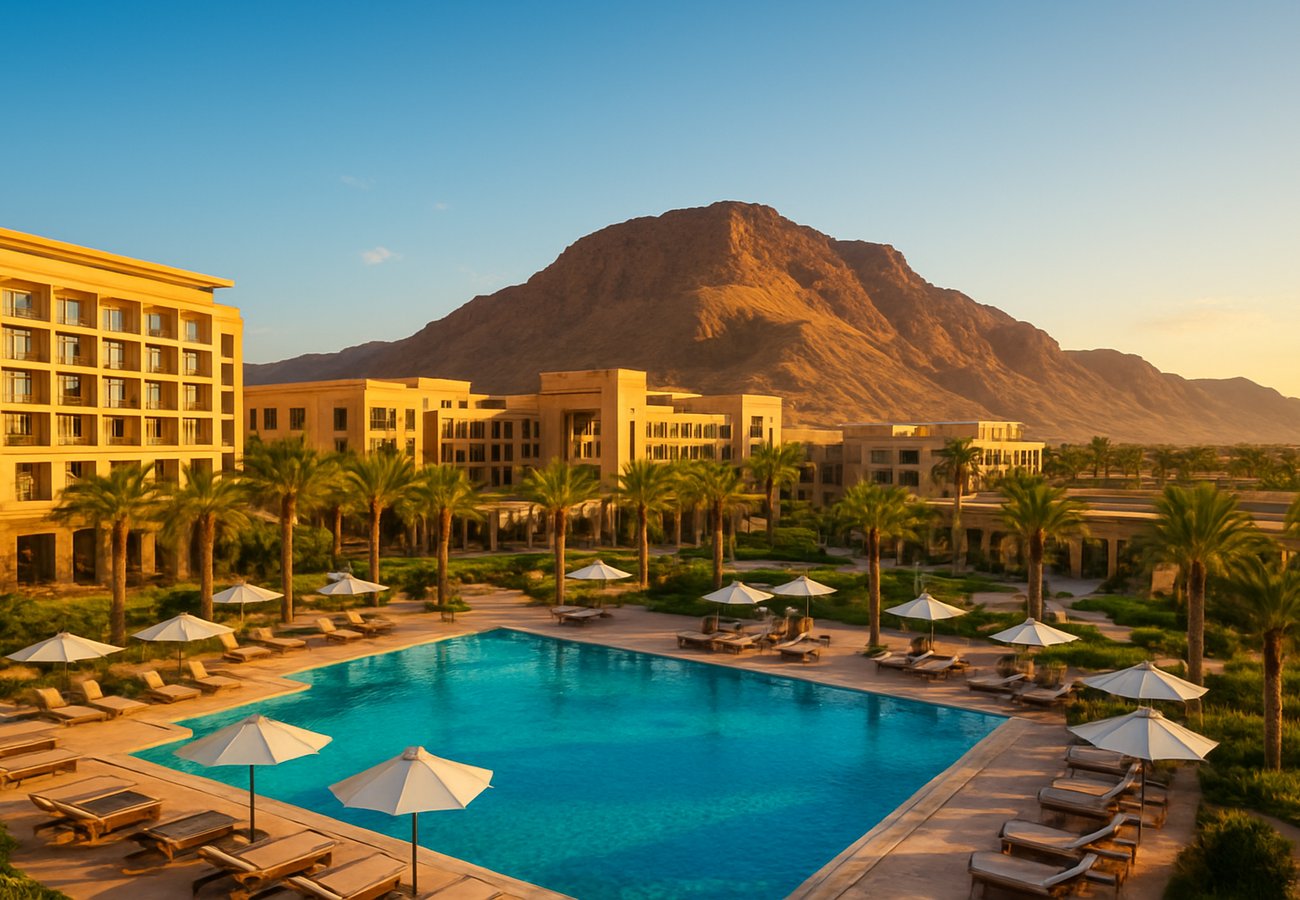
Image generated by AI
Quick Summary
- Visitor Milestone: Saudi Arabia recorded over 100 million domestic and international visitors in 2025.
- Hotel Pipeline: Approximately 100,000 hotel rooms remain in the active development pipeline across the Kingdom.
- Strategic Hubs: Growth is concentrated in AlUla (heritage), the Red Sea Project (luxury leisure), and Riyadh (corporate/entertainment).
- Global Commitment: International brands including Hilton, Marriott, Kempinski, and Wyndham are maintaining long-term investment cycles.
- Asian Capital: Significant new investment is flowing from Malaysia, Indonesia, and Singapore, particularly into Red Sea and religious tourism assets.
- Economic Stabilization: Religious tourism to Makkah and Madinah continues to provide year-round occupancy resilience.
- Risk Factors: Geopolitical tensions (Iran conflict) have increased aviation costs, insurance premiums, and supply chain volatility.
- Source: Ministry of Tourism, Public Investment Fund (PIF), and global hospitality consultancy reports as of May 7, 2026.
Saudi Arabia’s monumental Vision 2030 tourism transformation has entered a period of "commercial discipline," as the Kingdom recalibrates its spending priorities in response to geopolitical instability and shifting oil revenues. On May 7, 2026, industry data confirmed that despite a more measured pace for certain giga-projects, global hospitality leaders remain deeply committed to the market, with 100,000 hotel rooms currently under construction. Following a landmark year in 2025 that saw 100 million visitors, the Saudi tourism economy is successfully balancing its foundational religious pilgrimage sector with high-yield luxury segments in AlUla and the Red Sea coastline. While the ongoing Iran conflict has introduced higher operational costs and aviation uncertainty across the Gulf, the influx of Asian capital from Singapore and Malaysia highlights a sustained global confidence in Saudi Arabia’s long-term emergence as a primary destination for heritage, entertainment, and luxury travel.
Saudi Arabia Tourism Performance and Pipeline Metrics 2026
The following table summarizes the key growth indicators and investment status for the Kingdom's tourism sector.
| Indicator / Segment | 2025 Performance / 2026 Status | Strategic Goal (Vision 2030) |
|---|---|---|
| Total Visitors | 100 Million (Recorded 2025) | 150 Million (Annual) |
| Active Hotel Pipeline | ~100,000 Rooms | Comprehensive Diversification |
| Primary Economic Engine | Religious Tourism (Makkah/Madinah) | Year-Round Resilience |
| Luxury Leisure Hub | Red Sea Project | International Beach Parity |
| Heritage Growth Hub | AlUla | Archeology & Luxury Synergy |
| Top Global Brands | Hilton, Marriott, Kempinski | Long-term Strategic Presence |
| FDI Source Shift | ASEAN Capital (SG, MY, ID) | Regional Investment Diversification |
A Disciplined Era: Recalibrating Vision 2030 Spending Priorities
The Saudi government is shifting from rapid expansion to commercial viability:
- PIF Prioritization: The Public Investment Fund (PIF) is increasingly focusing on projects with clear return potential and commercial sustainability.
- Resource Allocation: Disciplined capital allocation is being applied to giga-projects, with some developments being phased differently to avoid market oversupply.
- Investment Efficiency: Recent decisions, such as ending the LIV Golf initiative, signal a broader government move toward "efficiency over speed" in its diversification efforts.
Hospitality Committment: Why Hilton, Marriott, and Wyndham are Betting on Riyadh
International hotel groups continue to view Saudi Arabia as a top-three global growth market:
- Investment Cycles: Major brands operate on multi-decade horizons, allowing them to weather temporary geopolitical fluctuations in the Middle East.
- Diversified Demand: Beyond religious travel, the surge in esports, Formula One, and cultural concerts is creating new corporate and leisure demand in Riyadh and Jeddah.
- Segment Depth: While luxury remains the most visible tier, investors are rapidly expanding into midscale and upper-midscale segments to cater to growing domestic tourism.
Performance Review: Analyzing the 100 Million Visitor Milestone of 2025
The 2025 data serves as a proof-of-concept for the Kingdom’s tourism appeal:
- Volume Achievement: Reaching 100 million total visitors ahead of schedule has provided the data necessary to refine future infrastructure projects.
- Domestic Resilience: A significant portion of the growth was driven by local Saudi and regional Gulf travelers, insulating the market from international shocks.
- International Connectivity: The expansion of new airlines and simplified tourism visas has successfully opened the Kingdom to previously untapped European and Asian markets.
The Asian Influx: Capital from Malaysia and Singapore Drives Red Sea Growth
A significant shift in foreign direct investment (FDI) is taking place:
- ASEAN Exposure: Capital from Singapore, Malaysia, and Indonesia is increasingly being deployed into Saudi hospitality assets, particularly along the Red Sea corridor.
- Strategic Alignment: Investors from major Muslim-majority nations in Asia are leveraging their understanding of the religious market to expand into leisure assets near the Holy Cities.
- Long-term Stability: These investors view the Kingdom’s geographic positioning as a permanent advantage for the future of global East-West travel.
Religious Tourism: The Year-Round Economic Stabilizer for Saudi Hospitality
Pilgrimage travel remains the bedrock of the Saudi tourism economy:
- Constant Occupancy: Makkah and Madinah maintain high year-round occupancy levels, providing a buffer during periods of leisure market volatility.
- Infrastructure Upgrades: Continued investments in high-speed rail and expanded airport capacity in Jeddah are designed to handle millions more Umrah and Hajj pilgrims annually.
- Modernization: The integration of digital pilgrim services and high-end hospitality in Makkah is attracting a more affluent segment of religious travelers.
Giga-Project Status: Red Sea Resorts and AlUla Heritage Development
Despite recalibrations, the flagship destinations remain on track:
- Red Sea Project: Luxury modular resorts targeting travelers seeking "Maldives-style" exclusive beach experiences are continuing their rollout on schedule.
- AlUla: The Nabataean heritage sites are successfully blending archaeology with ultra-premium hospitality, becoming a hallmark for experiential tourism.
- Entertainment Districts: Mixed-use zones featuring waterfront attractions and gaming concepts are being redesigned to ensure long-term profitability.
Geopolitical Risks: Managing Aviation Uncertainty and Supply Chain Volatility
External factors remain the primary headwind for the Gulf hospitality sector:
- Iran Conflict Impacts: Tensions have led to higher fuel prices, flight route adjustments, and increased insurance premiums for regional aviation.
- Supply Chain Resilience: Regional instability has occasionally complicated timelines for construction materials and high-end hospitality fit-outs.
- Resilience Planning: Gulf operators have historically demonstrated a high capacity for crisis management, often maintaining growth even during periods of regional tension.
Conclusion: From Rapid Expansion to Commercial Sustainability in the Gulf
The May 7, 2026, report on Saudi Arabia’s tourism investment confirms that the Kingdom is entering a more mature phase of its national transformation. By moving from unchecked momentum toward "commercial discipline," the Public Investment Fund and its global partners are creating a more sustainable and profitable hospitality ecosystem. The strength of the 100,000-room pipeline, backed by giants like Marriott and Hilton and stabilized by millions of annual pilgrims, ensures that Saudi Arabia remains a central force in global travel. As the 2025 record of 100 million visitors becomes the new baseline, the strategic focus on heritage in AlUla and luxury on the Red Sea coastline is successfully repositioning the Kingdom from a regional pilgrimage site to a diverse, world-class tourism powerhouse.
FAQ: Saudi Arabia Tourism Investment 2026
How many hotel rooms are currently in the Saudi Arabia pipeline? Approximately 100,000 hotel rooms are currently under development across the Kingdom as part of Vision 2030.
Which global brands are investing in Saudi Arabia? Major international groups including Hilton, Marriott, Kempinski, and Wyndham remain deeply committed to the Saudi market.
What is the impact of the Iran conflict on Saudi tourism? The conflict has increased operational costs, specifically aviation fuel and insurance, and introduced supply chain volatility, though long-term investment remains stable.
Related Middle East Tourism Reports
Disclaimer
This article is for informational and educational purposes only. It does not constitute legal, financial, or professional advice. While we strive to provide accurate and up-to-date information, travel policies, regulations, and conditions change rapidly. Always verify information with official sources before making travel decisions. Nomad Lawyer makes no representations about the accuracy, reliability, completeness, or suitability of the information provided. Readers should consult qualified professionals for advice specific to their circumstances. The views expressed in this article are those of the author and do not necessarily reflect the views of Nomad Lawyer.
Kunal K Choudhary
Co-Founder & Contributor
A passionate traveller and tech enthusiast. Kunal contributes to the vision and growth of Nomad Lawyer, bringing fresh perspectives and driving the community forward.
Learn more about our team →