
San Francisco International Airport Rocked by 158 Delays and 6 Cancellations as SkyWest, United, and Southwest Suffer Massive Operational Slowdowns Affecting Transpacific and Domestic Routes
San Francisco International Airport (SFO) faced severe operational bottlenecks on April 21, 2026, recording 158 flight delays and 6 cancellations. SkyWest, United Airlines, and Southwest bore the brunt of the disruption, causing extensive cascading delays on routes ranging from Las Vegas to Tokyo, London, and Beijing.

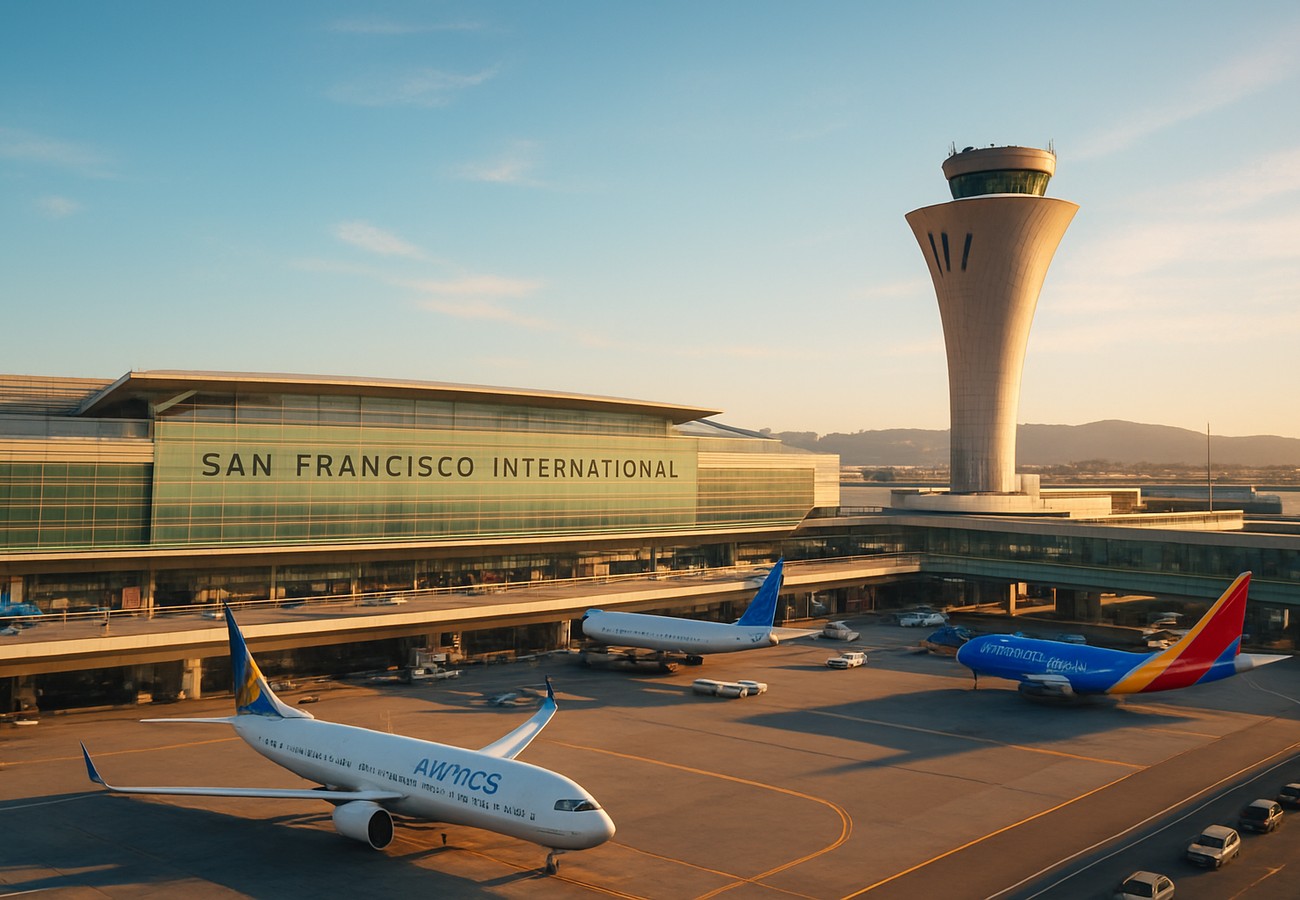
Image generated by AI
San Francisco International Airport Rocked by 158 Delays and 6 Cancellations as SkyWest, United, and Southwest Suffer Massive Operational Slowdowns Affecting Transpacific and Domestic Routes
A Major Bottleneck at One of America's Primary Pacific Gateways Has Trapped Thousands of Passengers Attempting to Reach Tokyo, London, and Las Vegas
SAN FRANCISCO, California — Travel operations at San Francisco International Airport (SFO) deteriorated significantly on April 21, 2026, as one of the United States' busiest transpacific and domestic transit hubs struggled under the weight of overwhelming operational friction. Across a chaotic 24-hour reporting period, the airport recorded 158 flight delays and 6 cancellations. While the cancellation count remained relatively low, the volume of delays crippled aircraft rotations, severely impacting major domestic carriers like SkyWest, United Airlines, and Southwest, alongside a dense roster of international long-haul operators. For passengers attempting to transit through the Bay Area, the delays transformed meticulously planned itineraries into deeply frustrating logistical challenges.
Quick Summary
- San Francisco International Airport (SFO) recorded 158 delays and 6 cancellations on April 21, 2026.
- The disruption was led by US carriers: SkyWest loggged 4 cancellations and 36 delays, United Airlines logged 1 cancellation and 55 delays, and Southwest logged 1 cancellation and 15 delays.
- More than 20 international and regional carriers were caught in the bottleneck, including Japan Airlines, Emirates, and British Airways.
- Affected major routes include Las Vegas, Vancouver, London, Paris, Tokyo, Taipei, Singapore, and Beijing.
- Data manually sourced and verified from FlightAware.
The Airlines Driving the Disruption
Because San Francisco serves simultaneously as United Airlines' primary transpacific gateway, a major regional feed hub for SkyWest, and a high-frequency point-to-point operation for Southwest, operational slowdowns at SFO almost immediately break nationwide itineraries.
The disruption data underscores how heavily the primary tenants of the airport suffered:
- SkyWest Airlines: Sustained the heaviest structural hit with 4 cancellations (2% of its schedule) and 36 delays (22%). Because SkyWest operates smaller regional jets feeding into mainline networks, these delays severed crucial connections for passengers arriving from smaller West Coast cities.
- United Airlines: While largely protecting its schedule from outright cuts (only 1 cancellation), it absorbed a massive volume of delays, reporting 55 delayed operations (13% of its schedule). This created a profound cascading effect, preventing international wide-body aircraft from turning around on time for transpacific departures.
- Southwest Airlines: Recorded 1 cancellation but took a heavy hit to its operational pace, with 15 delays representing 28% of its total SFO schedule for the period.
Beyond the "Big Three" at SFO, the delays ensnared virtually every major international carrier operating at the airport. Japan Airlines (75% of flights delayed), Air France (50%), ITA Airways (50%), and Emirates (50%) all saw their complex, highly-orchestrated long-haul turnarounds heavily disrupted by the localized bottlenecks at SFO.
Global Destinations Feeling the Ripple Effect
San Francisco's unique geographic positioning means that when SFO sneezes, both Asia and Europe catch a cold. The 158 delays rippled outward across the globe, severely impacting routes to:
- Transpacific Gateways: Flights bound for Tokyo, Taipei, Singapore, and Beijing suffered lengthy holding patterns at the gates, compressing rest periods for international flight crews and putting return routes out of Asia at risk of delays the following day.
- European Capitals: Transatlantic operations bound for London and Paris were delayed, threatening tightly slotted early morning arrivals into Heathrow and Charles de Gaulle.
- North American Hubs: Domestic and transborder connectivity to Las Vegas, Austin, Vancouver, and Winnipeg took substantial hits, primarily driven by the SkyWest regional schedule disruptions.
The Consequence for the US Travel Economy
SFO is not merely an airport; it is the front door to the Silicon Valley economy and the Northern California tourism engine. Chronic operational strain at such a visible international gateway carries consequences beyond the immediate frustration of passengers in the terminal.
When high-spending international tourists or corporate travelers bound for tech hubs face unmitigated delays upon entry or exit, confidence in the reliability of routing through SFO degrades. If passengers booked onward to Las Vegas or Austin conclude that transiting through San Francisco carries too high a risk of missed connections, airlines will ultimately be forced to adjust their capacity strategies, potentially prioritizing other West Coast hubs like Los Angeles or Seattle.
What Passengers Caught at SFO Can Do Right Now
If you are currently navigating the disruptions at San Francisco International, or are scheduled to fly through SFO in the immediate aftermath, you must manage your itinerary aggressively:
- Monitor the App, Not the Board: Airline terminal screens often lag behind internal dispatch systems. Your airline's mobile app will provide the fastest notification of an extended delay or an automatic rebooking option if your connection breaks.
- Utilize SFO's Premium Amenities: If you are facing a massive delay on United, consider purchasing a day pass to the United Club (if capacity allows) or an independent lounge. SFO is well-equipped with amenities, but waiting out a four-hour transpacific delay in the main concourse is exhausting.
- Contact Your Travel Insurance Provider: If you are holding premium travel insurance, you may be covered for "trip delay" expenses. Call your provider immediately to check if you are authorized to expense meals, lounge access, or local hotels if the delay pushes into the night.
- Be Realistic About Connecting Windows: If a delay at SFO compresses your layover in Tokyo or London to under 50 minutes, assume you will miss the connection. Get on the phone with customer service before you board the delayed flight out of San Francisco and ask them to proactively rebook your onward leg.
Conclusion: A Highly Connected Hub Under Pressure
The 158 delays recorded at San Francisco International Airport on April 21 are a textbook example of how quickly operational friction compounds at a hyper-connected gateway. With SkyWest, United, and Southwest unable to maintain pace, the disruption rapidly consumed airlines across the globe. For travelers moving through SFO, the only defense against this level of systemic delay is constant vigilance, extreme flexibility, and leveraging airline technology to secure alternatives faster than the thousands of other passengers waiting in the terminal.
FAQ: San Francisco SFO Airport Delays April 2026
Q: How many flights were disrupted at SFO on April 21, 2026? A: San Francisco International Airport recorded 158 flight delays and 6 cancellations, according to FlightAware data.
Q: Which US airlines were hit hardest by the SFO delays? A: SkyWest Airlines (4 cancellations, 36 delays), United Airlines (1 cancellation, 55 delays), and Southwest Airlines (1 cancellation, 15 delays) bore the brunt of the operational disruption.
Q: Were international flights out of SFO affected? A: Yes, severely. Long-haul routes bound for Tokyo, London, Paris, Taipei, Singapore, and Beijing all suffered significant delays, impacting carriers like Japan Airlines, Emirates, Cathay Pacific, and Air France.
Q: Did the delays affect flights to Las Vegas? A: Yes, domestic routing to cities such as Las Vegas and Austin were widely affected, alongside transborder flights to Canadian cities like Vancouver and Winnipeg.
Q: What is the best way to handle a major delay at SFO? A: Rely strictly on your airline's mobile app for real-time updates and rebooking prompts, contact customer service by phone rather than waiting in physical lines, and check your travel insurance policies for trip delay coverage that might pay for meals or lounge access.
Disclaimer
This article is for informational and educational purposes only. It does not constitute legal, financial, or professional advice. While we strive to provide accurate and up-to-date information, travel policies, regulations, and conditions change rapidly. Always verify information with official sources before making travel decisions. Nomad Lawyer makes no representations about the accuracy, reliability, completeness, or suitability of the information provided. Readers should consult qualified professionals for advice specific to their circumstances. The views expressed in this article are those of the author and do not necessarily reflect the views of Nomad Lawyer.
Raushan Kumar
Founder & Lead Developer
Full-stack developer with 11+ years of experience and a passionate traveller. Raushan built Nomad Lawyer from the ground up with a vision to create the best travel and law experience on the web.
Learn more about our team →