
San Francisco Projects Record $9.9B Visitor Spending in 2026
San Francisco projects record visitor spending of $9.9 billion in 2026, driven by convention activity, international sporting events, and recovering international travel.

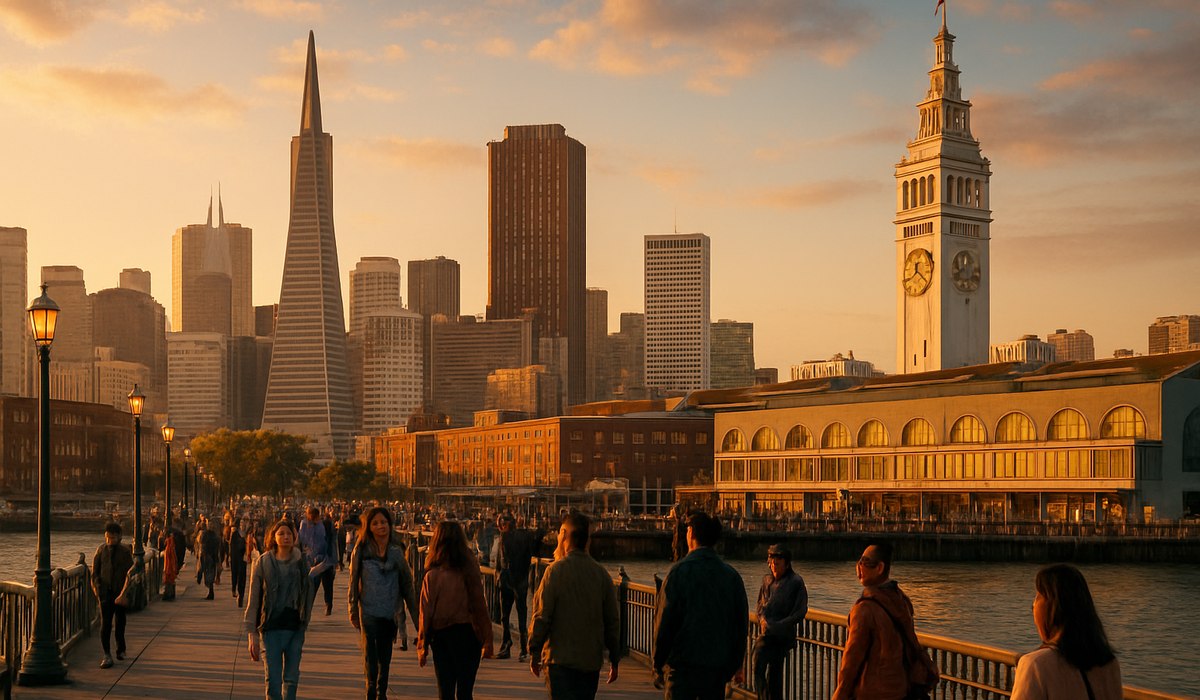
Image generated by AI
San Francisco Poised to Shatter Visitor Spending Records in 2026
San Francisco is on track to achieve record-breaking visitor spending of $9.9 billion in 2026, marking the first time the city has surpassed pre-pandemic tourism revenue levels. The San Francisco Travel Association's latest projections reveal that this surge will be fueled by an expanded convention calendar at the newly upgraded Moscone Center, major international sporting events, and a robust recovery in international traveler arrivals. This milestone represents a significant economic win for the Bay Area's hospitality, retail, and entertainment sectors.
Convention Calendar and Moscone Center Expansion Drive Growth
The Moscone Center remains San Francisco's economic engine for large-scale gatherings. Recent expansions and modernizations have enabled the venue to host larger conferences and trade shows simultaneously, attracting major conventions that were previously held in competing cities. The 2026 convention calendar is notably robust, with back-to-back bookings from technology, healthcare, and industry-specific sectors filling the center's expanded floor space.
This facility upgrade directly supports the francisco projects record spending forecast. More conventions mean longer average visitor stays, increased hotel occupancy, and higher spending at local restaurants and attractions. The convention center's improvements have positioned San Francisco competitively against Las Vegas, Orlando, and other major convention destinations. Convention attendees typically spend 30-40% more per day than leisure travelers, driving significant economic multiplier effects throughout the region.
Learn more about San Francisco's major convention venues and event calendar.
International Sporting Events Attract Global Visitors
Major international sporting events scheduled throughout 2026 are expected to draw significant visitor traffic from across the globe. These high-profile competitions generate sustained media attention and create destination appeal for sports enthusiasts willing to travel long distances specifically to attend. International sporting events also extend visitor stays beyond typical leisure trips, as tourists combine event attendance with city exploration and cultural activities.
The convergence of sporting events with San Francisco's natural attractions, fine dining scene, and cultural institutions creates a compelling travel package for international guests. Visitors attending these events frequently extend their stays to explore nearby wine country, coastal communities, and the broader Bay Area. This extended visitation pattern amplifies hotel occupancy and visitor spending metrics well beyond single-event economics, strengthening the overall tourism recovery narrative.
Hotel Recovery and International Arrival Rebound
San Francisco's hospitality sector is experiencing accelerating recovery in both occupancy rates and average daily room rates. International arrivals, which lagged domestic travel during the post-pandemic recovery period, are now rebounding strongly. This international traveler recovery is particularly significant because international visitors spend approximately 50% more per trip than domestic travelers.
The improving hotel performance reflects strong demand across luxury, midrange, and budget segments. Visitor confidence in San Francisco as a safe, welcoming destination is strengthening, supported by enhanced public safety initiatives and tourism marketing campaigns targeting key international source markets. Airlines have increased international flight capacity to San Francisco International Airport in response to rising demand, making it more convenient for overseas visitors to reach the city.
Discover San Francisco's top-rated hotels by neighborhood.
Economic Impact and Broader Bay Area Benefits
The francisco projects record $9.9 billion visitor spending projection carries significant implications for San Francisco's economic recovery and job creation. Tourism spending supports employment across hotels, restaurants, transportation, retail, and entertainment venues. Each dollar of visitor spending generates additional economic activity through supply chains and secondary spending by tourism workers.
Local tax revenues from hotel, sales, and business taxes will increase substantially, providing funding for public services, infrastructure maintenance, and visitor experience enhancements. This economic stimulus helps offset years of reduced tourism revenue and supports workforce rehiring across hospitality sectors. The Bay Area's broader regional economy benefits as well, with visitors distributing spending across multiple counties during extended trips combining San Francisco with wine country, national parks, and nearby destinations.
Key Data: San Francisco Visitor Spending Projections and Drivers
| Metric | 2026 Projection | Pre-Pandemic Peak | Growth Driver |
|---|---|---|---|
| Total Visitor Spending | $9.9 billion | $8.2 billion (2019) | Convention calendar + sporting events |
| International Visitor Growth | +18% year-over-year | Baseline recovery | Airline capacity + destination marketing |
| Average Convention Delegate Spending | $2,400-$2,800 per visit | $2,100-$2,400 | Expanded Moscone capacity |
| Hotel Occupancy Rate | 82-85% | 78% (2019 baseline) | Event calendar concentration |
| International Traveler Share | 28-32% of total | 25% (pre-pandemic) | Strength in Asia-Pacific, Europe markets |
| Average Visitor Length of Stay | 5.2 days | 4.8 days | Extended sporting event visits |
What This Means for Travelers
The francisco projects record visitor spending surge creates both opportunities and challenges for travelers planning San Francisco visits in 2026:
-
Book accommodations early: High event concentration means hotel availability will be limited during convention and sporting event dates. Reserve rooms 3-4 months in advance to secure preferred locations and competitive rates.
-
Consider timing strategically: If you prefer avoiding crowds, research the convention calendar and sporting event dates, then plan visits during shoulder periods between major events for better availability and shorter tourism lines.
-
Expect dynamic pricing: Hotel rates and attraction prices will fluctuate based on event proximity. Mid-week visits during non-event periods often offer better value than peak event weekends.
-
Explore extended Bay Area itineraries: Combine San Francisco with nearby regions like Marin County, Wine Country, or the Silicon Valley to benefit from the strong tourism infrastructure while discovering lesser-known destinations.
-
Prepare for increased foot traffic: Popular attractions, restaurants, and transportation services will experience high demand during peak periods. Build extra time into itineraries and make reservations where possible.
Frequently Asked Questions About San Francisco Tourism in 2026
What specific sporting events are driving the 2026 visitor spending forecast? Major international sporting competitions scheduled for 2026 in and around San Francisco are attracting global visitors. These events span multiple weekends and weeks, extending visitor stays beyond typical leisure trips and creating cumulative economic impact across the hospitality and retail sectors.
How far in advance should I book hotels for San Francisco in 2026? Given the robust convention calendar and sporting events, booking 3-4 months ahead is advisable for preferred accommodation options and competitive rates. Last-minute bookings during peak event periods will face significant availability constraints and premium pricing.
Will San Francisco be overcrowded in 2026? Peak periods during major events will certainly attract substantial crowds. However, non-event weeks offer more manageable visitor volumes. Research the San Francisco Travel Association's event calendar and schedule your visit during less congested periods if you prefer smaller crowds.
Are international travelers recovering to pre-pandemic levels? Yes. International arrivals are rebounding significantly, with some source markets exceeding pre-2020 visitor volumes. Improved airline capacity and strengthened tourism marketing campaigns in key international markets are accelerating this recovery trend.
Related Travel Guides
- SpiceJet Chaos Strands Mumbai Fliers as 34 Flights Axed
- Castelfalfi Sommet Education Partnership Redefines Luxury Hotel Training
- California Between Redding and Sacramento: The Queen Bee Capital
Disclaimer
This article synthesizes projections published by the San Francisco Travel Association and reflects publicly available tourism forecasts for 2026.
Disclaimer
This article is for informational and educational purposes only. It does not constitute legal, financial, or professional advice. While we strive to provide accurate and up-to-date information, travel policies, regulations, and conditions change rapidly. Always verify information with official sources before making travel decisions. Nomad Lawyer makes no representations about the accuracy, reliability, completeness, or suitability of the information provided. Readers should consult qualified professionals for advice specific to their circumstances. The views expressed in this article are those of the author and do not necessarily reflect the views of Nomad Lawyer.
Raushan Kumar
Founder & Lead Developer
Full-stack developer with 11+ years of experience and a passionate traveller. Raushan built Nomad Lawyer from the ground up with a vision to create the best travel and law experience on the web.
Learn more about our team →