
Salt Lake City International Airport Records 27 Flight Delays and 3 Cancellations Affecting Delta and Southwest Routes
Salt Lake City International Airport (SLC) reported 27 flight delays and 3 cancellations affecting Delta, Southwest, and United routes.

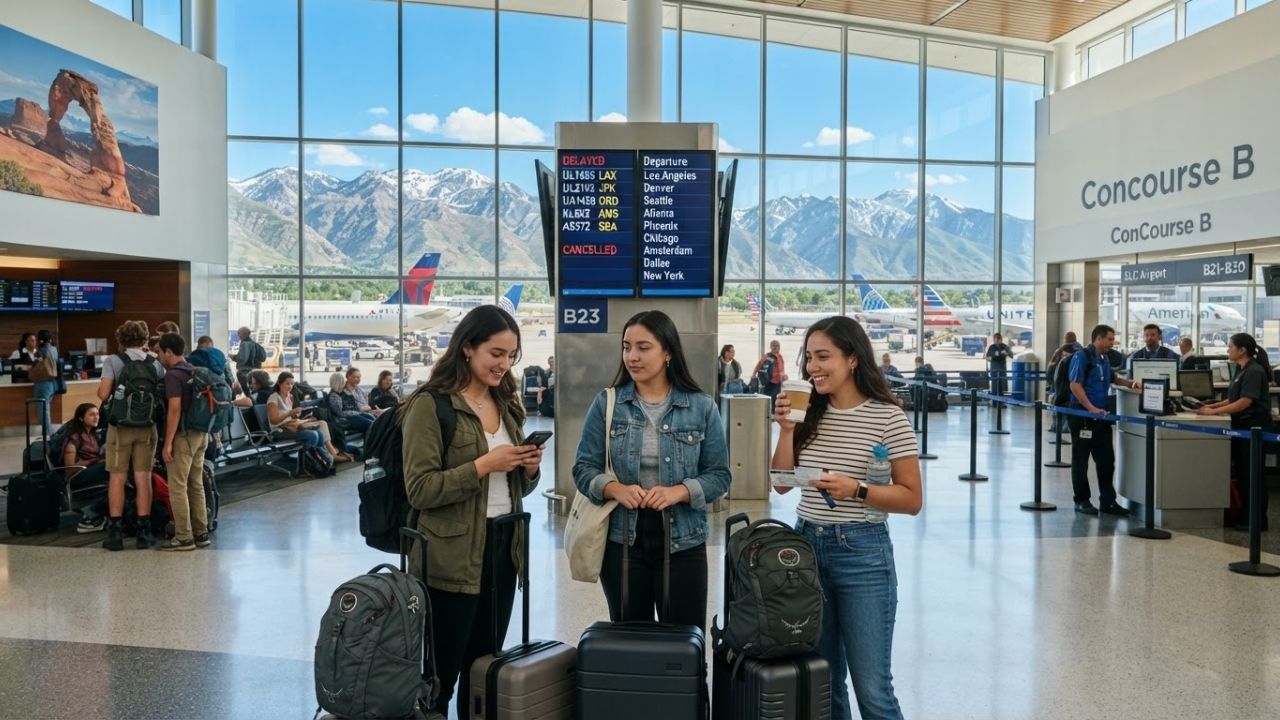
Image generated by AI
Moderate schedule adjustments at Salt Lake City International Airport have affected summer travel routes. The airport reported 27 delays and 3 cancellations as carriers optimized regional networks.
Mountain West Gateway Maintains Steady Passenger Flow
According to reports, the summer travel season is driving high passenger numbers through Utah's primary aviation gateway.
Terminal updates published by Salt Lake City International Airport (SLC) confirm that the vast majority of scheduled flights departed on time.
Operational data monitored by the Federal Aviation Administration (FAA) show that SLC experienced minimal local weather delays.
However, the airport still recorded minor scheduling adjustments due to airspace constraints at connecting hubs.
The table below breaks down the flight disruptions by type and primary carrier.
Flight Disruptions at Salt Lake City International Airport
| Disruption Type | Quantity | Key Operating Carriers | Primary Affected Routes |
|---|---|---|---|
| Delayed Departures / Arrivals | 27 | Delta Air Lines, Southwest, United, American Airlines, Alaska Airlines | Los Angeles, Denver, Seattle, Atlanta, Phoenix, Las Vegas, Chicago, Amsterdam |
| Canceled Flights | 3 | Delta Air Lines, Southwest | Short-haul regional connections and domestic corridors |
Network-Wide Connections Trigger Local Arrival Delays
Aviation industry observers note that commercial flight schedules rely on the continuous movement of aircraft between cities.
When a plane is delayed in Atlanta or Chicago, it arrives late in Salt Lake City, delaying its next departure.
Our analysis of the flight data indicates that these downstream delays are the main cause of SLC's minor disruptions.
- Feeder Routes: Delays on regional flights to western hubs impact the timing of connecting jets.
- National Airspace Congestion: High traffic volume on popular East Coast and West Coast corridors slows arrivals.
- FAA Spacing Limits: Traffic controllers apply spacing limits during peak afternoon arrival blocks.
- Aircraft Maintenance: Mandatory safety inspections require keeping select planes at the gate.
To mitigate this, Delta Air Lines utilizes its SLC hub facilities to swap aircraft and recover schedules quickly.
Major Carriers Deploy Recovery Measures at Mountain West Hub
Airlines serving SLC are working to minimize passenger delays by reassigning crews and rebooking affected travelers.
Southwest and United Airlines advise passengers to check flight status boards and carrier apps before leaving for the terminal.
Travelers are also reminded that arriving early helps ensure smooth baggage processing during busy summer hours.
For international routes, such as the direct service to Amsterdam, verifying passport requirements early prevents boarding delays.
Although cancellations remained low, passengers connecting to regional flights should monitor gate announcements.
Recommended Guidelines for Travelers During Flight Adjustments
Aviation safety experts recommend that passengers take proactive steps to manage travel schedule changes:
- Pack Essential items in Carry-ons: Keep medications, chargers, and travel documents in your hand luggage.
- Monitor Inbound Aircraft Status: Track the location of the incoming plane using flight-tracking websites.
- Register for Text Notifications: Ensure your airline has your current contact details to receive gate updates.
- Understand Carrier Rebooking Rules: Review your options for seat transfers if flight timings change.
Why This Matters
Our analysis of the flight data indicates that SLC's modern terminal design helps it absorb minor delays better than older hubs. The airport's layout allows for fast aircraft taxiing, which reduces ground delays.
However, because SLC is a primary hub for Delta Air Lines, its schedule is closely linked to national traffic hubs.
A storm over Denver or a delay in Los Angeles immediately impacts Delta's connecting passenger flows in Utah.
This connection shows that airlines must maintain flexible scheduling buffers at their Mountain West hubs.
Ultimately, these minor disruptions demonstrate that airport infrastructure is key to maintaining network stability.
Forward Outlook
Market trends suggest that carriers will continue to expand wide-body services on transcontinental routes to optimize slot usage. Regional airport operators are planning minor gate upgrades to support increased summer traveler traffic.
Expect flight operations at Salt Lake City to remain stable as seasonal travel patterns continue. The regional leisure travel market is projected to see steady demand through the summer quarter.
Disclaimer
This article is for informational and educational purposes only. It does not constitute legal, financial, or professional advice. While we strive to provide accurate and up-to-date information, travel policies, regulations, and conditions change rapidly. Always verify information with official sources before making travel decisions. Nomad Lawyer makes no representations about the accuracy, reliability, completeness, or suitability of the information provided. Readers should consult qualified professionals for advice specific to their circumstances. The views expressed in this article are those of the author and do not necessarily reflect the views of Nomad Lawyer.
Kunal K Choudhary
Co-Founder & Contributor
A passionate traveller and tech enthusiast. Kunal contributes to the vision and growth of Nomad Lawyer, bringing fresh perspectives and driving the community forward.
Learn more about our team →