
Royal Caribbean Shifts Fleet to Asia-Pacific in 2026: US West Coast Sailings Adjusted
Royal Caribbean International is redeploying key vessels like Navigator of the Seas to Asia-Pacific markets, resulting in the cancellation of specific 2027 US West Coast voyages.

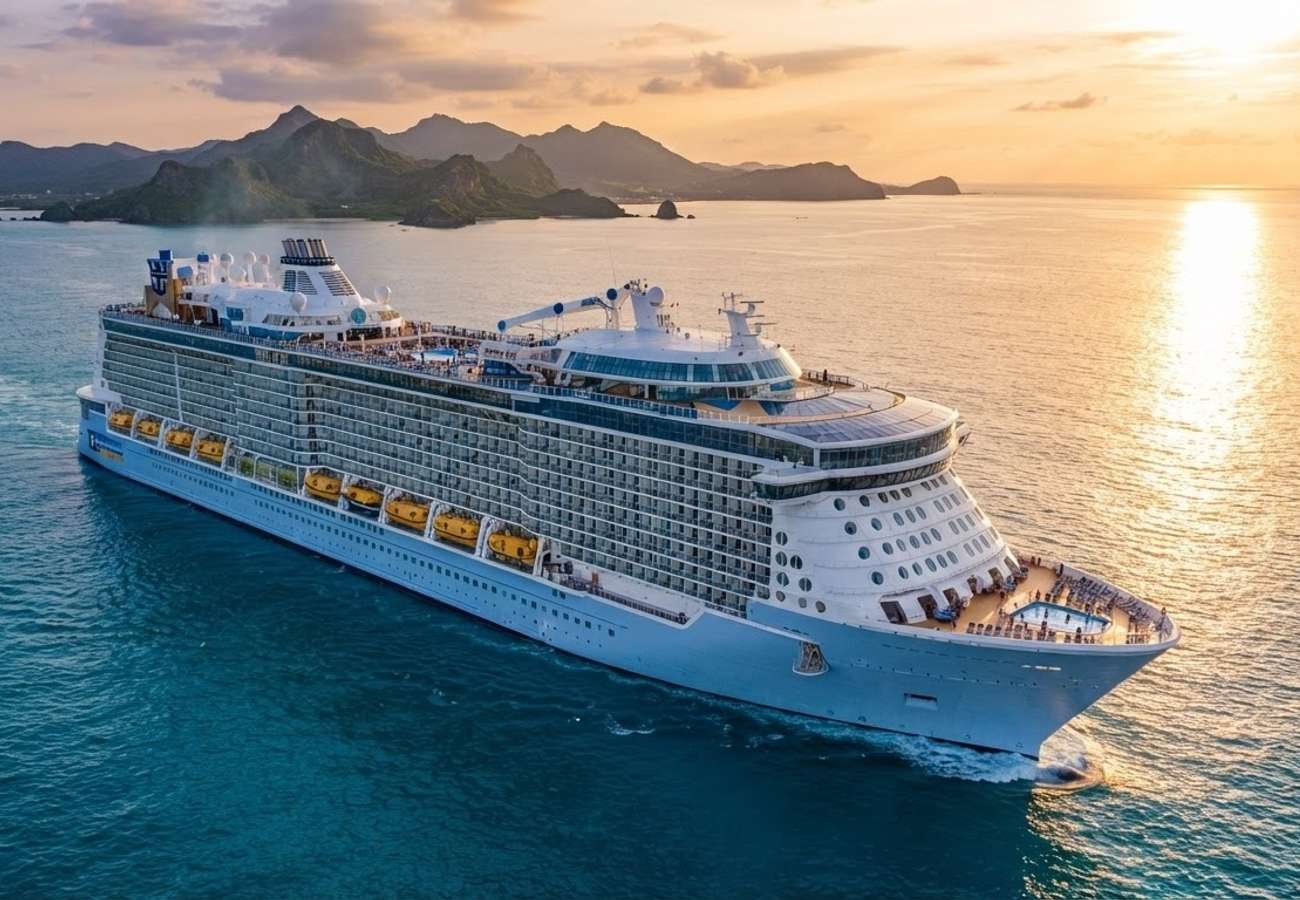
Image generated by AI
The global cruise map is being redrawn as Royal Caribbean International pivots its fleet toward the high-growth Asia-Pacific corridor. This strategic shift has triggered immediate adjustments to US-based itineraries, specifically impacting West Coast departures as capacity moves east.
The Pivot to Asia-Pacific
Royal Caribbean International is accelerating a significant redeployment of its global assets to capture rising demand across the Asia-Pacific region. This is not a reduction in overall operations but a calculated reallocation of capacity. The company is moving selected vessels from US-based programs to strengthen its presence in markets where middle-class travel demand and cruise infrastructure are expanding rapidly.
For the traveler, this means a shift in where the newest and most capable ships are stationed. The focus has moved toward a network connecting Japan, Singapore, Australia, and Hong Kong, reflecting a broader industry trend where the center of gravity for cruise growth is shifting away from traditional Caribbean and Mediterranean routes.
Impact on US West Coast Itineraries
The strategic move has resulted in the adjustment of several previously scheduled US sailings. The redeployment specifically affects vessels being repositioned for international deployment, leading to the cancellation of certain voyages.
The primary ships involved in these fleet changes include:
- Navigator of the Seas
- Ovation of the Seas
A notable example of these adjustments is the May 12, 2027, transpacific voyage of the Navigator of the Seas from Japan to California, which will no longer operate as originally scheduled. These changes are the result of long-term fleet planning and market optimization rather than operational failures or safety concerns.
Regional Value and Growth Drivers
The decision to prioritize the Asia-Pacific region is driven by several socio-economic factors. According to regional tourism trends, the growth is fueled by increasing disposable income and a surge in interest in coastal cultural experiences.
Japan: The Cultural Powerhouse
Japan has become one of the fastest-growing cruise markets in Asia. The draw lies in the blend of high-tech urban centers and traditional heritage. Key ports of call now include Tokyo, Osaka, Kobe, and Okinawa, allowing visitors to access historic temples and seasonal attractions via a mobile hotel.
Singapore: The Strategic Gateway
Singapore continues to function as the primary hub for Southeast Asian exploration. Its advanced port infrastructure makes it the ideal departure point for voyages into Malaysia, Thailand, Vietnam, and Indonesia.
Australia: The Coastal Frontier
Australia is strengthening its role as a global destination, with a focus on high-value experiences such as Sydney Harbour, the Great Barrier Reef, and the rugged coastlines of Tasmania. This increased capacity directly supports local economies through higher spending at regional hotels, restaurants, and retail outlets.
Visitor Insider Tips
For those planning a voyage in the Asia-Pacific region or managing a cancelled US sailing, consider these expert recommendations:
- Booking Flexibility: Given the current volatility in fleet positioning, always opt for flexible booking terms or "cancel-for-any-reason" insurance.
- The "Shoulder Season" Window: For Japan, aim for late March (Cherry Blossom) or November (Autumn foliage), but book 12-18 months in advance as these windows sell out instantly.
- Singapore Transit: If using Singapore as a hub, spend at least three days in the city-state before embarking to experience the Gardens by the Bay and local hawker centers, which are often missed on short port calls.
- Local Etiquette: When visiting Japanese ports, remember that tipping is not customary and can sometimes be viewed as confusing or impolite.
Tourism Outlook
The long-term impact of this shift is a more dynamic, fluid global cruise network. We are entering an era where ships are moved between hemispheres based on real-time demand patterns rather than static annual schedules. While this creates uncertainty for long-term bookings in the US, it opens unprecedented access to the East for global travelers.
The expansion suggests that the cruise industry is no longer tethered to the "Caribbean-centric" model, instead evolving into a truly global transport and leisure system that prioritizes emerging economies and diverse cultural heritage sites.
The horizon of cruising is shifting east, turning the Pacific into the industry's new primary engine.
Related Travel Guides
Disclaimer
This article is for informational and educational purposes only. It does not constitute legal, financial, or professional advice. While we strive to provide accurate and up-to-date information, travel policies, regulations, and conditions change rapidly. Always verify information with official sources before making travel decisions. Nomad Lawyer makes no representations about the accuracy, reliability, completeness, or suitability of the information provided. Readers should consult qualified professionals for advice specific to their circumstances. The views expressed in this article are those of the author and do not necessarily reflect the views of Nomad Lawyer.
Preeti Gunjan
Contributor & Community Manager
A passionate traveller and community builder. Preeti helps grow the Nomad Lawyer community, fostering engagement and bringing the reader experience to life.
Learn more about our team →