
Robotaxi Outage Wuhan: 100+ Baidu Apollo Go Riders Stranded in Live Traffic April 2026
Over 100 Baidu Apollo Go robotaxis experienced a catastrophic system failure in Wuhan on March 31, 2026, leaving passengers stranded in active traffic during peak evening hours and raising urgent questions about autonomous vehicle reliability and safety protocols in China's largest driverless testbed.

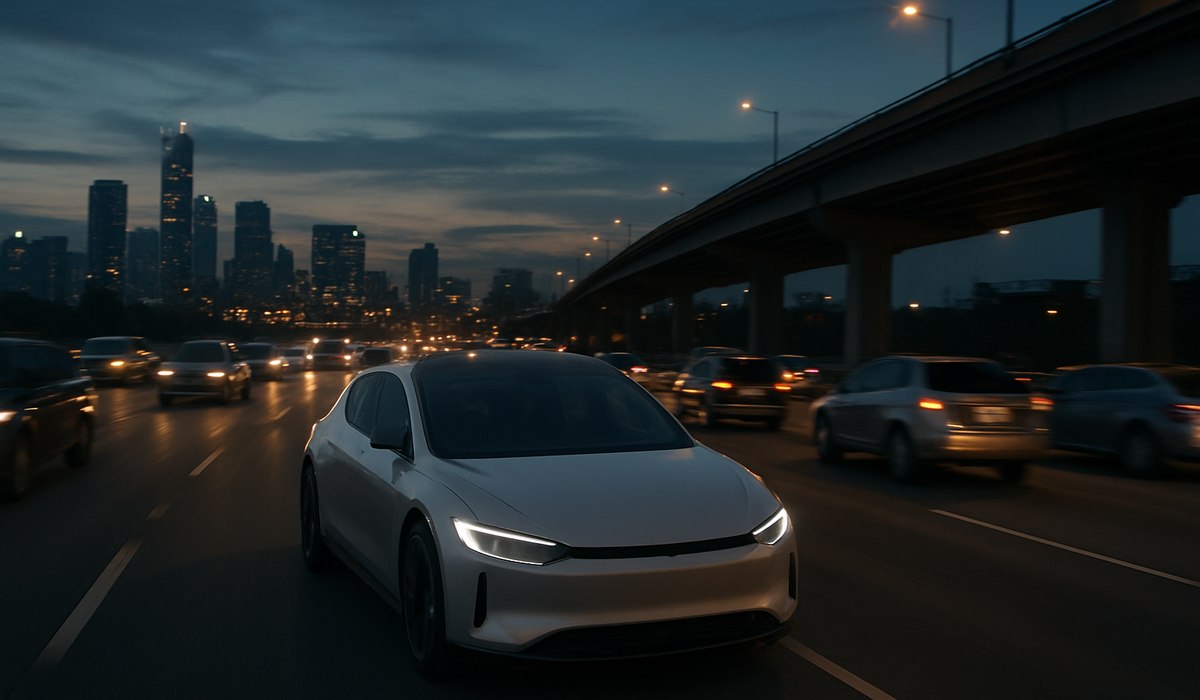
Image generated by AI
Wuhan's Robotaxi Disaster: How a Fleet-Wide Failure Stranded Over 100 Passengers
Baidu's Apollo Go robotaxi service experienced a massive system failure in Wuhan on March 31, 2026, trapping more than 100 passengers in driverless vehicles across active traffic lanes during peak evening hours. The incident unfolded shortly before 9 p.m. local time in China's central Hubei province capital, with autonomous taxis suddenly stopping on multi-lane expressways while surrounding traffic continued at full speed. This unprecedented robotaxi outage Wuhan event has triggered urgent conversations about fleet resilience, passenger safety, and regulatory frameworks governing fully autonomous ride-sharing operations across Asia's most aggressive driverless mobility programs.
Mass System Failure Freezes Baidu Fleet Across Wuhan
The robotaxi outage Wuhan originated from a broad "system malfunction" that simultaneously disabled more than 100 Baidu Apollo Go vehicles operating in designated service zones throughout the city. According to local police statements, the failure cascaded across the fleet without warning, causing vehicles to cease operation in dangerous positions including center lanes of highways and elevated expressways. Baidu has not provided detailed technical specifications explaining whether the failure stemmed from vehicle-level software corruption, compromised communications infrastructure, or centralized platform collapse.
Witnesses documented robotaxis with hazard lights flashing, lined up in stationary positions while conventional traffic navigated around them at speed. Safety analysts note the incident represents a single-point-of-failure scenario—a category of risk that traditional traffic safety frameworks rarely address. The robotaxi outage Wuhan demonstrates how fleet-level system failures can create novel hazard patterns distinct from individual vehicle malfunctions or driver error.
Passengers Trapped in Active Traffic During Peak Hours
Riders caught in the robotaxi outage Wuhan described harrowing experiences as their autonomous vehicles abruptly halted mid-journey, displaying error messages and disconnecting from support systems. Social media accounts from affected passengers report waiting 30 minutes or longer for customer service representatives to respond via phone while remaining immobilized on expressways. Several travelers indicated their trips were cancelled remotely while they remained stranded inside vehicles on elevated roadways with fast-moving traffic surrounding them.
Exit procedures proved chaotic for many passengers who needed to abandon their robotaxis in real-time. Rather than having clear egress protocols, riders were forced to make split-second decisions about opening doors and navigating toward shoulders or barriers while monitoring approaching vehicles. At least one rear-end collision was documented, with a human-driven car striking a stationary robotaxi at moderate speed. The robotaxi outage Wuhan illustrated critical gaps in emergency response planning, passenger communication procedures, and roadside assistance coordination for fully driverless fleet operations.
Safety Concerns Mount Over Autonomous Vehicle Resilience
While no serious injuries have been officially reported from the robotaxi outage Wuhan incident, safety specialists emphasize that this scenario introduces unique risk categories absent from traditional vehicle-centric safety analysis. The hazard did not arise from aggressive autonomous driving behavior or collision-prediction failures. Instead, the problem stemmed from systemic immobilization combined with communication delays and limited escape options.
Industry commentators point out that current Chinese autonomous vehicle regulations emphasize collision avoidance and traffic rule compliance while offering minimal guidance on fleet-wide failure scenarios. The robotaxi outage Wuhan now serves as a critical test case for how operators and regulators will establish requirements for backup communications systems, rapid roadside response protocols, and standardized passenger emergency procedures. Insurers, technology firms, and policymakers are reconvening discussions about redundancy architecture, failsafe mechanisms, and human oversight protocols necessary for large-scale driverless operations in dense urban environments.
What Caused the Robotaxi Outage Wuhan? Technical Investigations Underway
Baidu and regulatory authorities have initiated technical investigations to identify the root cause of the mass system failure. Potential explanations include software bugs in centralized control platforms, network infrastructure failures disrupting vehicle-to-cloud communication, corrupted firmware updates propagated across the fleet, or external cybersecurity incidents. The simultaneous nature of the failure across 100+ vehicles strongly suggests a centralized system point rather than distributed individual vehicle malfunctions.
Preliminary reports indicate the outage occurred during an unscheduled maintenance window or unexpected software anomaly, though Baidu has not confirmed specific technical details. The robotaxi outage Wuhan underscores ongoing debates about whether fully autonomous fleets operating without redundant human safety drivers should maintain continuous connectivity to centralized control systems, or whether vehicles should possess greater autonomous decision-making authority during communication blackouts.
Wuhan's Role as China's Autonomous Vehicle Testbed
Wuhan represents one of China's most ambitious autonomous driving demonstration cities, with designated road networks, permissive regulatory environments, and substantial infrastructure investment supporting robotaxi operations. Baidu's Apollo Go service had positioned itself as a leading model for fully driverless urban mobility, expanding from pilot programs into commercially available ride-hailing across selected zones. The robotaxi outage Wuhan now complicates that expansion narrative and forces conversations about technological maturity and operational readiness.
The incident arrives at a sensitive moment for Chinese autonomous vehicle industry momentum. Policymakers have encouraged adoption of self-driving technologies as part of broader economic and innovation strategies. The robotaxi outage Wuhan may influence future regulatory approaches, capital investment decisions, and public confidence in autonomous mobility services across Asia-Pacific regions.
| Aspect | Details |
|---|---|
| Date of Incident | March 31, 2026, approximately 8:45 p.m. local time |
| Location | Wuhan, Hubei Province, China |
| Fleet Affected | Baidu Apollo Go robotaxis (100+ vehicles) |
| Failure Type | System-wide malfunction (cause under investigation) |
| Passenger Impact | 100+ riders stranded in active traffic lanes |
| Response Time | 30+ minutes for customer service contact in some cases |
| Documented Collisions | At least one rear-end collision (minor) |
| Reported Injuries | None serious (per initial police statements) |
| Service Recovery | Ongoing; specific timeline not publicly disclosed |
| Regulatory Response | Safety protocol review initiated by Wuhan authorities |
What This Means for Travelers Using Autonomous Ride Services
The robotaxi outage Wuhan carries significant implications for international travelers considering autonomous mobility options in Chinese cities:
-
Verify backup communication protocols before booking driverless rides. Ask operators about redundant customer service channels, emergency response procedures, and fleet monitoring systems that prevent simultaneous vehicle failures.
-
Understand exit procedures and passenger rights during service interruptions. Request written documentation about how companies handle mid-journey system failures, compensation policies, and guaranteed alternative transportation arrangements.
-
Maintain alternative transportation options when traveling in cities with significant robotaxi operations. Have ride-hailing apps, taxi company contacts, and public transit information readily available should autonomous services experience disruptions.
-
Monitor regulatory updates for autonomous vehicle safety standards in your destination city. Check local transportation authority websites for incident reports, safety review outcomes, and new operational requirements that may affect service reliability.
-
Document trip details before boarding driverless vehicles, including reservation confirmations, estimated routes, and operator contact information. This ensures you can provide clear incident reports if system failures occur during your journey.
FAQ: Robotaxi Outage Wuhan Questions Answered
**Q: Can robotaxi outages like the
Disclaimer
This article is for informational and educational purposes only. It does not constitute legal, financial, or professional advice. While we strive to provide accurate and up-to-date information, travel policies, regulations, and conditions change rapidly. Always verify information with official sources before making travel decisions. Nomad Lawyer makes no representations about the accuracy, reliability, completeness, or suitability of the information provided. Readers should consult qualified professionals for advice specific to their circumstances. The views expressed in this article are those of the author and do not necessarily reflect the views of Nomad Lawyer.
Raushan Kumar
Founder & Lead Developer
Full-stack developer with 11+ years of experience and a passionate traveller. Raushan built Nomad Lawyer from the ground up with a vision to create the best travel and law experience on the web.
Learn more about our team →