
Railway Direct Platform Entry Banned for Waitlisted India Travelers in 2026
India bans railway direct platform entry for waitlisted travelers in 2026. New protocols impact tourists and business travelers navigating Indian Railways reservations.

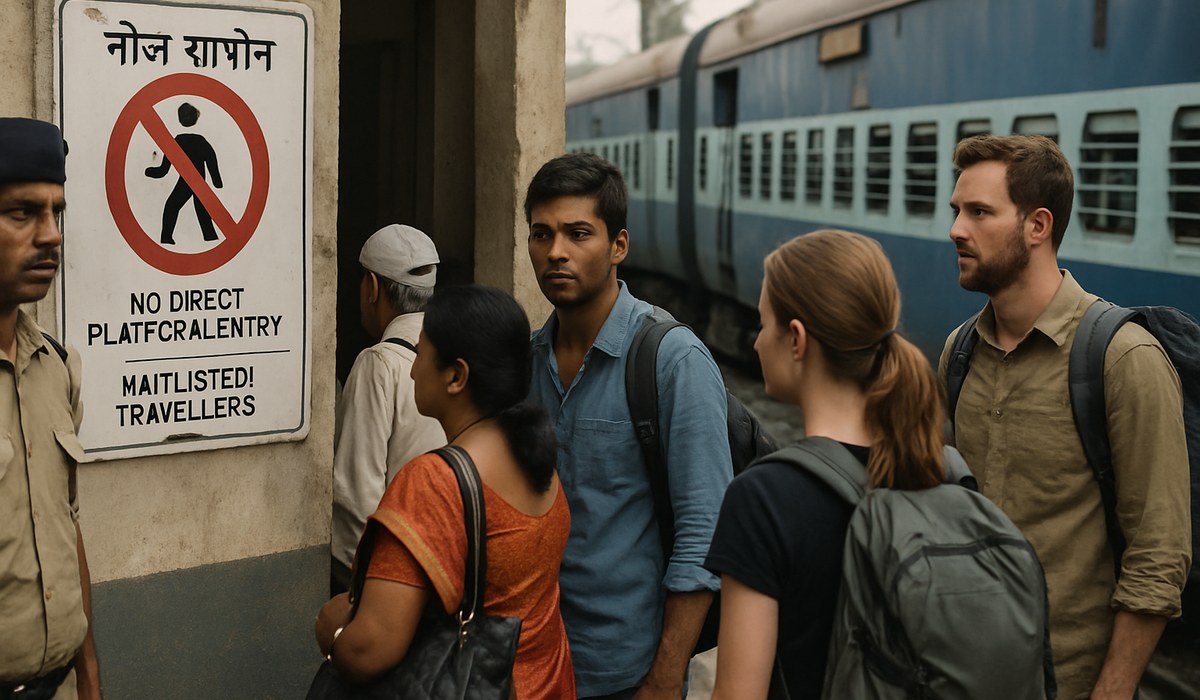
Image generated by AI
**> Quick Summary
- Indian Railways prohibits platform entry for passengers holding waitlisted tickets effective March 2026
- International tourists and business travelers face penalties for entering stations without confirmed reservations
- New digital verification systems require confirmed ticket status before granting platform access
- Policy reflects global transit trend toward stricter passenger flow management and security protocols**
Arriving at an Indian railway station with a waitlisted ticket just became grounds for denial of entry and potential fines. As of late March 2026, Indian Railways has implemented a nationwide ban on platform access for passengers holding unconfirmed reservations, fundamentally altering how millions of domestic commuters and international travelers plan train journeys across the subcontinent. The enforcement mechanism combines digital ticket verification with physical checkpoint monitoring, creating a new layer of complexity for visitors unfamiliar with India's intricate railway booking ecosystem.
This regulatory shift represents part of broader travel disruptions affecting Asian transit routes throughout the first quarter of 2026. Station administrators cite overcrowding, security concerns, and passenger safety as primary justifications. However, the policy's immediate implementation has caught many foreign nationals off guard, particularly those operating under the assumption that waitlisted tickets function as temporary boarding passes with last-minute confirmation possibilities.
What Changed: India's New Platform Entry Regulations Explained
Indian Railways now requires passengers to present confirmed ticket status—either through berth allocation or RAC (Reservation Against Cancellation) designation—before entering station platforms. Waitlisted tickets, which previously allowed conditional entry with hopes of last-minute upgrades, no longer grant access beyond the station's outer concourse areas. Railway Protection Force personnel stationed at platform gates scan tickets via mobile verification devices that instantly reject waitlisted reservation codes.
The enforcement protocol operates at three levels. First-time violations trigger warnings and mandatory exit from the platform. Repeat offenders face fines ranging from ₹500 to ₹2,000 (approximately $6-$24 USD). Persistent attempts to circumvent screening can result in temporary bans from railway premises. Railway Board officials estimate the new system affects approximately 15-20% of daily passengers during peak travel seasons, when waitlist lengths for popular routes frequently exceed hundreds of names.
Station managers across major hubs—including New Delhi, Mumbai Central, Chennai Central, and Howrah Junction—report smoother platform operations during the initial implementation phase. Crowd density measurements show 30-35% reductions during peak boarding windows. However, concourse areas outside security checkpoints have experienced corresponding congestion increases as waitlisted passengers monitor real-time confirmation updates on their mobile devices.
Impact on International Travelers and Visa Implications
Foreign tourists navigating India's rail network face disproportionate challenges under the revised regulations. Most international visitors lack familiarity with Indian Railways' waitlist clearance patterns, historical confirmation rates for specific routes, and alternative booking strategies. Tourism industry representatives report a 40% increase in inquiries about guaranteed-confirmation ticket options since the policy announcement.
The restrictions carry potential visa compliance consequences. Travelers holding standard 30-day or 60-day tourist visas must carefully coordinate journey timing with ticket confirmation probabilities. Missed connections due to waitlist failures can cascade into accommodation rebooking costs, itinerary disruptions, and compressed sightseeing schedules. In extreme scenarios where multiple consecutive bookings remain unconfirmed, visitors should verify current Indian visa validity periods to ensure compliance if journey plans extend unexpectedly beyond original visa windows.
Business travelers face particularly acute pressure, as how business travelers are reassessing trip value when weighing India rail journeys against premium-class flight alternatives becomes increasingly critical. Corporate travel managers now prioritize Tatkal (emergency quota) bookings despite premium pricing, or redirect itineraries toward air travel to eliminate uncertainty. A senior logistics executive with a Bengaluru-based technology firm noted that client meeting schedules cannot accommodate the ambiguity of waitlisted rail reservations.
Railway officials acknowledge the learning curve for international passengers but maintain that confirmed-ticketing policies align with practices in European and Japanese railway systems. They point to real-time mobile notifications and online upgrade options as mitigation tools. Yet critics observe that India's unique booking dynamics—including quota systems, VIP allocations, and last-minute berth releases—create uncertainty levels rarely encountered in Western rail networks.
Confirmed Ticket Alternatives: Practical Booking Strategies
Travelers can employ several tactical approaches to secure confirmed railway reservations in India's competitive booking environment. Advance planning becomes non-negotiable. Indian Railways opens reservations 120 days before departure for most routes. Booking immediately upon window opening maximizes confirmation probability, particularly for premium trains like Rajdhani, Shatabdi, and Duronto Express services.
The Tatkal quota system provides emergency booking options for travelers with inflexible schedules. This premium tier opens 24 hours before departure (10:00 AM for AC classes, 11:00 AM for non-AC). Tatkal tickets command surcharges ranging from ₹400-₹500 but guarantee confirmed status if secured. Foreign nationals should note that Tatkal booking requires Indian mobile numbers for OTP verification—temporary SIM cards become essential travel accessories for rail-dependent itineraries.
Alternative accommodation classes offer strategic flexibility. When preferred classes show waitlisted status, booking multiple reservations across different categories (3AC, 2AC, 1AC) increases confirmation odds. Passengers can cancel unconfirmed bookings after one confirms, recovering most ticket costs minus nominal processing fees. The tactic requires careful tracking of multiple PNR (Passenger Name Record) numbers but significantly improves journey reliability.
Private railway operators have expanded services in response to the new protocols, though coverage remains limited to select corridors. Tejas Express routes between Lucknow-New Delhi and Mumbai-Goa operate with dynamic pricing models that guarantee confirmed seats at premium rates. Foreign tourists willing to absorb higher costs find these services eliminate waitlist uncertainties entirely.
Before finalizing any railway bookings as part of comprehensive trip planning, travelers should check real-time travel restriction updates for India to ensure broader regulatory compliance beyond just railway-specific protocols.
How This Affects Multi-City India Itineraries in 2026
The platform entry restrictions fundamentally reshape multi-destination India itineraries. Traditional backpacker-style spontaneous routing—where travelers book sequential legs with minimal advance notice—no longer aligns with operational realities. Tour operators now recommend confirmed booking chains spanning entire journeys before departure from home countries, eliminating flexibility but ensuring continuous travel flow.
Golden Triangle circuits (Delhi-Agra-Jaipur) face particular pressure due to high tourist volumes and limited train frequencies on key segments. The Gatimaan Express from Delhi to Agra and the Shatabdi services connecting Jaipur frequently reach capacity weeks in advance. Tour packages increasingly bundle these railway segments into confirmed group allocations, charging premium margins for guaranteed coordination.
North-to-South transit corridors present timing challenges. Routes like Delhi-Goa (2,000+ kilometers requiring 30+ hours) typically involve multiple connection points. A single waitlisted segment disrupts entire itinerary chains. Experienced India travelers now build 24-48 hour buffer periods between confirmed railway segments and fixed-commitment activities like international flight departures or prepaid resort bookings.
The policy indirectly benefits India's aviation sector, with recent comparisons to airport infrastructure challenges highlighting that despite occasional disruptions, confirmed flight reservations offer certainty that waitlisted train tickets cannot match. Budget carriers have expanded domestic route frequencies by 15-20% during Q1 2026, capturing passengers who previously preferred overnight sleeper trains but now prioritize guaranteed travel over cost savings.
Regional rail networks in Kerala, Tamil Nadu, and Rajasthan report increased local bookings as tourists shift toward hub-and-spoke patterns rather than continuous cross-country routing. Travelers establish base camps in major cities, taking day trips or overnight excursions with advance-confirmed tickets, then returning to secure accommodations rather than attempting continuous multi-city progressions with uncertain railway connections.
FAQ: Waitlisted Railway Tickets and Platform Access in India
Can I enter the platform if my waitlist clears at the last minute? Yes, but only after receiving official confirmation status through Indian Railways' IRCTC system. Your ticket must display a confirmed berth number or RAC designation. Digital confirmations appear within seconds of status change, and platform security scanners recognize updated ticket codes immediately.
What happens to travelers already at stations when their tickets remain waitlisted? Passengers must exit platform areas before scheduled departure times if waitlist status persists. Station staff provide concourse waiting zones where travelers can monitor real-time confirmation updates. If tickets confirm within minutes of departure, rapid re-entry through security checkpoints is permitted.
Do children's tickets face the same platform entry restrictions? Yes. All passengers regardless of age require confirmed ticket status for platform access. Families should ensure every traveler—including infants with separate reservations—holds confirmed berth allocations before proceeding to platforms.
Are platform tickets still available for those seeing off travelers? Platform tickets for non-traveling well-wishers remain available at most stations, priced at ₹50-₹100 depending on the station category. These permits grant 1-2 hour platform access but do not authorize boarding trains. The system functions independently of passenger ticketing protocols.
How do foreign travelers contest wrongful platform entry denials? Railway Protection Force officers at station help desks review ticket status disputes. Travelers should present physical ticket printouts alongside mobile confirmations and passport identification. Most resolution processes complete within 10-15 minutes. Documented system errors receive immediate clearance for platform entry.
Related Articles:
Disclaimer
This article is for informational and educational purposes only. It does not constitute legal, financial, or professional advice. While we strive to provide accurate and up-to-date information, travel policies, regulations, and conditions change rapidly. Always verify information with official sources before making travel decisions. Nomad Lawyer makes no representations about the accuracy, reliability, completeness, or suitability of the information provided. Readers should consult qualified professionals for advice specific to their circumstances. The views expressed in this article are those of the author and do not necessarily reflect the views of Nomad Lawyer.
Kunal K Choudhary
Co-Founder & Contributor
A passionate traveller and tech enthusiast. Kunal contributes to the vision and growth of Nomad Lawyer, bringing fresh perspectives and driving the community forward.
Learn more about our team →