
Radisson Blu Mirage Resort Fiji: Inside the Luxury Resort Reshaping Nadi
The Radisson Blu Mirage Resort Naisoso in Fiji is accelerating tourism development with 278 rooms. Mock-up testing reveals design refinements as construction momentum builds in Nadi.

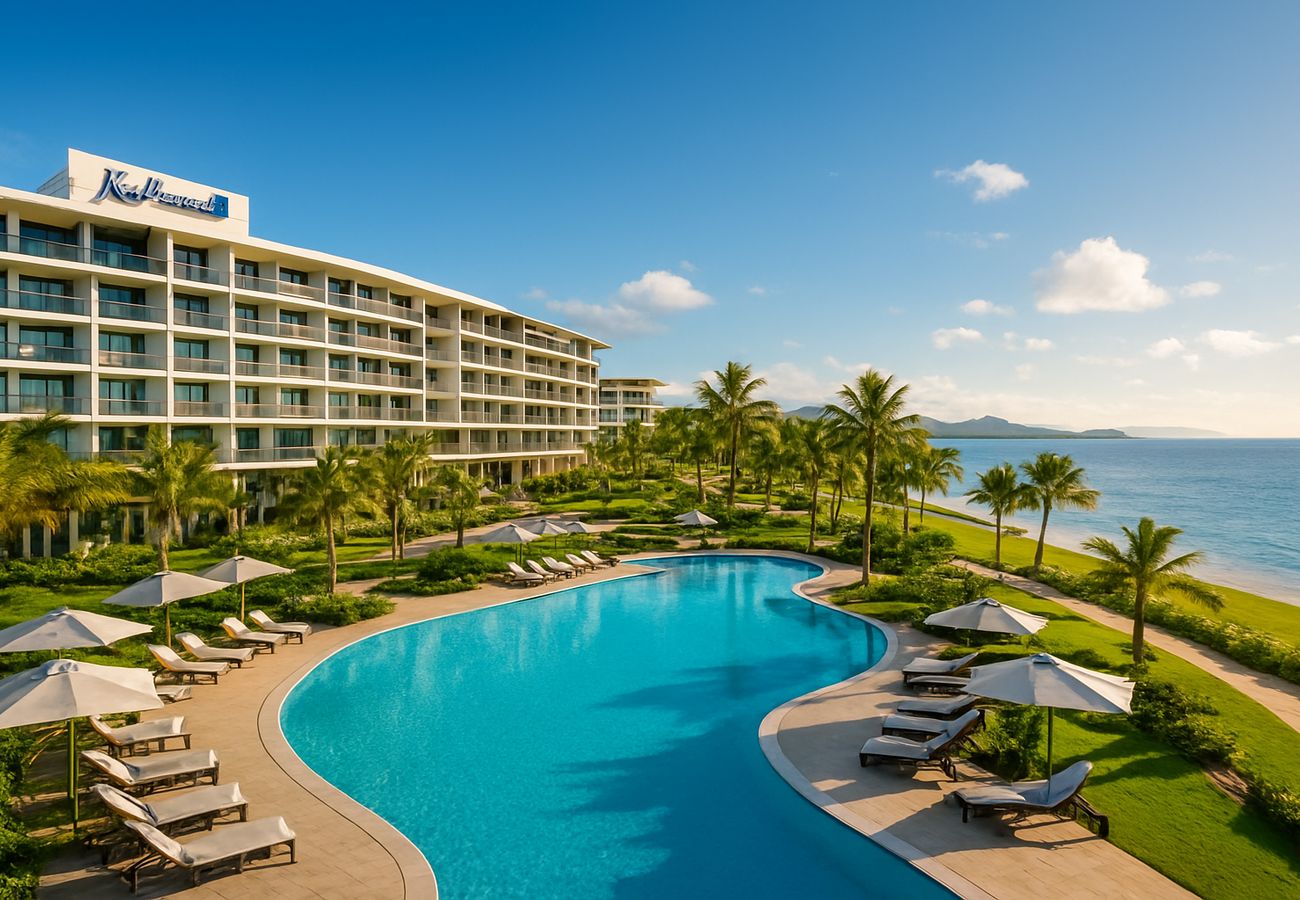
Image generated by AI
The construction site in Nadi, Fiji has become the focal point of a quiet revolution in the country's luxury hospitality sector. The Radisson Blu Mirage Resort Naisoso is rising faster than expected, signaling a major shift in how international hotel brands approach premium resort development in the Pacific island nation.
What started as groundwork months ago has now visibly transformed into a structured, multi-story resort complex. The pace alone tells a story—this isn't your typical slow-moving tropical construction project. Teams working on-site have consistently exceeded initial timelines, and that momentum is accelerating as we move into mid-2026.
But the real story isn't just about the speed of concrete and steel. It's about how a major hospitality player is methodically rebuilding Fiji's tourism infrastructure from the ground up, one tested room at a time.
The Mock-Up Room Strategy That's Changing Resort Development
The most revealing detail emerging from this project sits quietly in one completed test room somewhere on the Nadi construction site. The Radisson Blu Mirage team built a full mock-up hotel room before committing to 278 identical units across the property.
This single decision reveals everything about how premium resort development has evolved.
Rather than discovering design flaws after 100 rooms are already finished, the team is intentionally catching mistakes early. The mock-up process has already exposed:
- Material finishes that don't perform as expected in tropical humidity
- Layout configurations that looked good on blueprints but feel cramped in reality
- Fixture placement issues that will repeat across hundreds of rooms if not corrected now
- Colour coordination problems between furnishings and wall treatments
Reddit: "I stayed at a new resort in Bali last year where every room had the same weird AC noise. Wish they'd tested that first." — r/travel
The engineering teams from Sydney, Singapore, Dubai, and Madrid are all weighing in on these early-stage adjustments. This distributed oversight model means no detail escapes international scrutiny before it's baked into the final product.
What The Early Design Reviews Actually Revealed
The initial feedback on those mock-up rooms has been diplomatically positive, with one critical caveat: not everything is perfect yet.
The design direction is clearly working. Visitors and consultants report that the rooms feel balanced, visually comfortable, and well-coordinated. The colour palette works. The spatial flow makes sense. But several finishing elements still require refinement before full rollout.
Some fittings don't operate as smoothly as intended. A few details need tightening. These aren't catastrophic failures—they're the kind of adjustments that separate a good resort from one that becomes a genuine destination.
For Fiji tourism, this level of attention matters enormously. The country competes globally for high-end visitors who have stayed at St. Regis properties in Bali, Four Seasons in Maldives, and Banyan Tree resorts across Southeast Asia. Those guests don't accept mediocre finishes or clunky functionality.
Construction Momentum Accelerates Across The Nadi Site
What's most visible from ground level is the sheer speed of structural progress. The resort's skeleton has risen faster than many projected, and the layout is now unmistakably recognizable from the site entrance.
Major structural elements include:
- Rapid multi-story building framework rising on schedule
- Clear sightlines to the planned pool and leisure zones
- Foundation systems that appear engineered for Fiji's cyclone season
- Development velocity that's exceeded early forecasts
This visible progress has made the project a regular feature in Fiji hospitality circles. Tour operators, hotel managers, and tourism officials track the construction timeline closely. A delayed resort development can reshape tourism patterns across an entire region.
How This Fits Into Radisson's Broader Fiji Strategy
The Radisson Blu Mirage isn't an isolated venture. It's deliberately connected to the brand's existing Denarau Island property, which is undergoing simultaneous refurbishment work.
Both resorts share intentional design DNA:
- Dual-key room configurations for families and multi-generational travel
- U-shaped layout maximizing beachfront and central leisure access
- Shared philosophy around communal pool and dining spaces
- Aligned targeting of high-spending leisure travelers
This portfolio approach allows Radisson Blu to dominate the premium segment across two distinct Fiji locations. Denarau caters to established luxury travelers who've visited before. Naisoso will capture fresh high-end arrivals seeking contemporary resort experiences.
The refurbishment of Denarau alongside construction of the new Mirage property means both are evolving simultaneously—a deliberate strategy to maintain market dominance as documented in recent hospitality development reports.
Global Oversight Structure Governing Every Decision
Here's where the project reveals its true scale: 18 months of continuous technical reviews from international offices, with teams actively involved in material selection, design adjustments, and brand alignment checks.
This isn't casual oversight. Teams across four continents are:
- Reviewing construction photos and progress reports weekly
- Evaluating material samples against brand standards
- Comparing design decisions against Radisson's global portfolio
- Ensuring local Fiji hospitality standards align with international benchmarks
The level of scrutiny applied to this single Nadi resort would normally be reserved for flagship properties in major cities. That Fiji is receiving this treatment signals how seriously the brand views the Pacific tourism market recovery.
Radisson's official development timeline suggests the property is on track for completion aligned with peak season demand, though specific opening dates haven't been publicized.
Why Mock-Up Testing Prevents Cascading Failures
This testing phase might seem like a minor logistics detail, but it prevents the kind of systemic problems that plague hastily developed resorts.
Without mock-up validation, a single poor material choice gets repeated across 278 rooms. A layout flaw that seemed acceptable in CAD suddenly feels wrong when you're standing in it. A fixture that breaks easily gets discovered only after guests arrive and property managers start replacing dozens of units.
The financial and reputational damage compounds quickly.
By testing first, the Radisson Blu Mirage team ensures:
- Consistency across every room without quality degradation
- Staff familiarity with the final design before opening day
- Guest satisfaction metrics that reflect intentional design choices, not rushed compromises
- Cost efficiency by eliminating post-construction revisions
For Fiji tourism development, this methodology represents a maturation in how the industry approaches large-scale hospitality infrastructure. The country is moving beyond basic resort construction toward sophisticated, internationally-benchmarked development practices.
What's Next As Construction Continues
The Radisson Blu Mirage Resort Naisoso is entering its most visible phase. Structural work is clear. Design refinements are being finalized. Interior systems are being installed.
The trajectory suggests an opening timeline that aligns with Fiji's high season tourism patterns. Early 2027 or mid-2027 completion would position the resort perfectly to capture wealthy travelers fleeing northern hemisphere winters.
What began as another construction site in Nadi has become a living case study in how international hospitality brands are rebuilding Fiji's luxury tourism sector. The mock-up rooms, the global oversight, the intentional portfolio strategy—these details compound into a resort that's designed to compete at the highest international levels.
When guests finally check in, they'll experience the result of methodical, globally-coordinated development. They probably won't think about the mock-up room that tested every detail first. They'll just notice that everything works exactly as it should.
The real luxury isn't what you see in Fiji—it's everything the developers fixed before you ever arrived.
Related Travel Guides
Penn Station Fire Paralyzes Northeast Rail: Amtrak, NJ Transit Crisis
Military Aircraft Altitude Race: Which Fighters Push Beyond 70,000 Feet?
Disclaimer
This article is for informational and educational purposes only. It does not constitute legal, financial, or professional advice. While we strive to provide accurate and up-to-date information, travel policies, regulations, and conditions change rapidly. Always verify information with official sources before making travel decisions. Nomad Lawyer makes no representations about the accuracy, reliability, completeness, or suitability of the information provided. Readers should consult qualified professionals for advice specific to their circumstances. The views expressed in this article are those of the author and do not necessarily reflect the views of Nomad Lawyer.
Kunal K Choudhary
Co-Founder & Contributor
A passionate traveller and tech enthusiast. Kunal contributes to the vision and growth of Nomad Lawyer, bringing fresh perspectives and driving the community forward.
Learn more about our team →