
Queen Mary Brings 4,500 Tourists to Durban Cruise Terminal in April 2026
Queen Mary 2 delivered 4,500 international visitors to Durban's Nelson Mandela Cruise Terminal on April 9, 2026, signaling the South African port's emergence as a premier global cruise gateway and driving an estimated 1.8 billion rand economic impact this season.

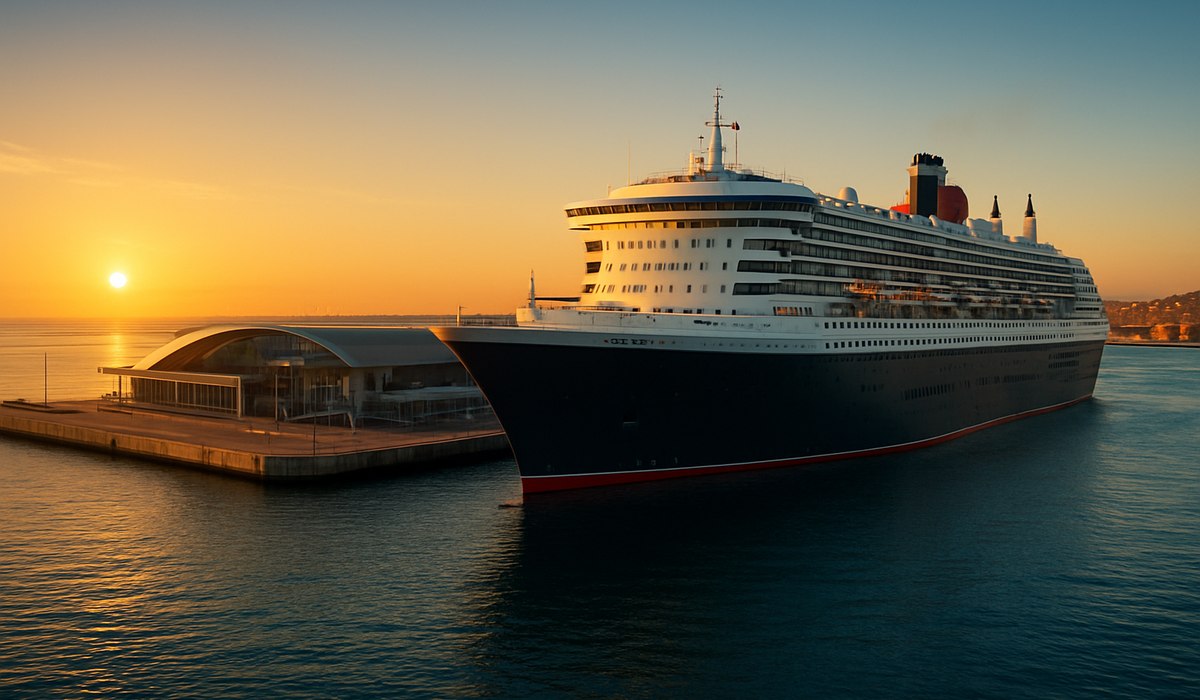
Image generated by AI
Cunard's Queen Mary 2 Delivers Major Tourist Windfall to Durban
Cunard's Queen Mary 2 arrived at Durban's Nelson Mandela Cruise Terminal on April 9, 2026, delivering approximately 4,500 international passengers and crew to South Africa's east coast. The docking marked a significant milestone for the port city, reinforcing its status as a strategic stopover on premium global cruise itineraries. The vessel's full-day port call injected fresh economic energy into local hospitality, retail, and tourism sectors during the tail end of the Southern Hemisphere summer season.
The Queen Mary 2 call coincides with what Durban's municipal tourism authority has described as the city's largest cruise season on record. Forecasts for the 2025/26 cruise season predict approximately 255,000 total cruise visitors and an estimated economic contribution of 1.8 billion rand through combined direct, indirect, and induced spending impacts. This visit underscores how queen mary brings measurable benefits to developing coastal destinations seeking to diversify their tourism revenue streams.
A Signature Stop on a Global Voyage
The Queen Mary 2's arrival in Durban formed part of the iconic ocean liner's 109-day world voyage, which departed from Southampton in January 2026. The vessel's itinerary traces a comprehensive route through Africa, Asia, the Pacific, and the Americas before returning to European ports. Durban's position between calls in Namibia and Cape Town places the South African city firmly on one of the shipping industry's most prestigious long-haul cruise routes.
Industry analysts note that queen mary brings international prestige to regional port destinations, extending far beyond single-day passenger disembarkations. The ship's routing connects Durban with established cruise hubs including Walvis Bay, Cape Town, and Indian Ocean ports, positioning the city as a recurring feature on voyages catering to affluent leisure travelers. The 2025/26 season schedule lists two April calls by large international vessels, demonstrating Durban's growing appeal to premium cruise operators seeking strategic stopover locations.
Queen Mary 2, launched in 2004 and operated by Cunard, remains one of the world's most recognizable ocean liners. The vessel attracts a demographic blend of repeat cruise enthusiasts and first-time passengers seeking classic long-distance voyage experiences. For Durban, hosting such an iconic ship generates invaluable international media exposure and social media engagement that extends the destination's visibility well beyond the immediate passenger cohort.
More information on Cunard's global itineraries is available through Cunard's official website, which lists detailed port schedules and booking information for future world voyages.
Durban's Cruise Terminal Comes Into Its Own
The Nelson Mandela Cruise Terminal has emerged as a transformative asset for Durban's waterfront redevelopment strategy. Designed to accommodate some of the world's largest cruise vessels, the facility features modern customs, security, and passenger processing infrastructure that streamlines the arrival and departure experience. The terminal's capacity to handle several thousand disembarking passengers within a single operating window represents a critical operational achievement for a developing-market port city.
The Queen Mary 2 call provided a real-world stress test of the terminal's integrated service ecosystem. Port authorities coordinated passenger flows, baggage operations, ground transportation, and security protocols to ensure seamless guest transitions from ship to shore activities. These operational demonstrations are essential for building confidence among cruise lines considering future port calls and expanded seasonal deployments.
Beyond logistics, the terminal precinct activated cultural programming specifically designed to greet international visitors. Local musicians, dancers, and food vendors showcased KwaZulu-Natal's rich heritage through organized performances and culinary experiences. These initiatives simultaneously enrich visitor experiences and create income-generating opportunities for small enterprises and independent performers within Durban's creative economy.
Investment in accommodation, transport services, and shore excursion providers has accelerated around the terminal. Tour operators specializing in township experiences, heritage site visits, and nature-based adventures report increased demand during peak cruise seasons. This expansion of the local tourism value chain distributes economic benefits beyond traditional hotel and restaurant sectors into previously underutilized service categories.
Economic Impact and Future Growth
The 2025/26 cruise season represents unprecedented opportunity for Durban's tourism and hospitality sectors. With approximately 255,000 forecast cruise visitors, the season is projected to generate 1.8 billion rand in combined economic activity. This economic windfall arrives during months traditionally characterized by lower visitor volumes following the December holiday peak, smoothing demand fluctuations and supporting year-round employment in hospitality and transport services.
The season's vessel lineup includes repeat calls from major international cruise brands such as MSC, Silversea, and Azamara, alongside Cunard's flagship Queen Mary 2 deployment. This diverse operator mix signals growing confidence in Durban's port infrastructure and service capabilities. Sustained bookings from established cruise lines typically precede expanded capacity commitments, suggesting potential for future seasonal growth and additional vessel deployments.
Employment creation extends across multiple economic sectors. Port operations, security personnel, ground handlers, and logistics coordinators benefit from increased vessel traffic. In the hospitality domain, hotels, restaurants, and retail establishments experience higher occupancy and transaction volumes. Shore excursion providers, ranging from budget-conscious township tours to premium nature and adventure experiences, rank among the primary beneficiaries of large-vessel arrivals.
The Queen Mary 2's 4,500 passengers represent only a fraction of the season's total cruise traffic. However, analysts consistently observe that marquee vessels generate outsized marketing effects through international media coverage and passenger-generated social content. Each such call extends Durban's destination awareness among affluent, globally-mobile leisure travelers who influence travel decisions within their social networks.
For detailed economic data and tourism forecasts for KwaZulu-Natal, the KwaZulu-Natal Tourism Authority maintains current statistics on cruise visitor volumes and economic contributions.
Queen Mary 2: Icon of Ocean Travel
Queen Mary 2 occupies a unique position within the contemporary cruise industry. Launched in 2004, the 148,528-ton vessel represents the last traditional ocean liner built for transatlantic service. Unlike modern mega-ships designed for Caribbean resort-style experiences, Queen Mary 2 maintains a sophisticated onboard atmosphere emphasizing fine dining, cultural programming, and leisurely itineraries across multiple continents.
The ship's 4,500 to 5,000 passenger capacity positions it above boutique expedition vessels but well below mega-ship standards featuring 6,000-plus passengers. This sizing reflects Cunard's strategic market positioning toward affluent travelers aged 55 and above who prioritize voyage duration, destination variety, and onboard sophistication over amusement park-style amenities. The demographics of Queen Mary 2 passengers typically correlate with higher daily spending on shore excursions and premium local experiences.
Durban's selection as a port call on Queen Mary 2's world voyage validates the city's credentials as a destination warranting inclusion on premium leisure travel itineraries. The arrival of such a high-profile vessel generates disproportionate media attention and Instagram content from a passenger demographic whose travel recommendations carry significant influence within affluent international circles. This intangible marketing benefit often proves as valuable as direct cruise spending in attracting future independent leisure visitors to developing destinations.
Information on Queen Mary 2's current and future deployments is available through Cunard's voyage planning portal, which allows prospective passengers to explore world cruise options and South African port calls.
Key Data: Durban Cruise Season 2025/26 Impact Snapshot
|
Disclaimer
This article is for informational and educational purposes only. It does not constitute legal, financial, or professional advice. While we strive to provide accurate and up-to-date information, travel policies, regulations, and conditions change rapidly. Always verify information with official sources before making travel decisions. Nomad Lawyer makes no representations about the accuracy, reliability, completeness, or suitability of the information provided. Readers should consult qualified professionals for advice specific to their circumstances. The views expressed in this article are those of the author and do not necessarily reflect the views of Nomad Lawyer.
Kunal K Choudhary
Co-Founder & Contributor
A passionate traveller and tech enthusiast. Kunal contributes to the vision and growth of Nomad Lawyer, bringing fresh perspectives and driving the community forward.
Learn more about our team →