
Qatar Airways Scales Back Australia Flights Amid Middle East Crisis
Qatar Airways drastically reduces Australia-Doha capacity as Middle East airspace closures persist through 2026, forcing thousands of travelers to face cancellations and extended diversions across the region.

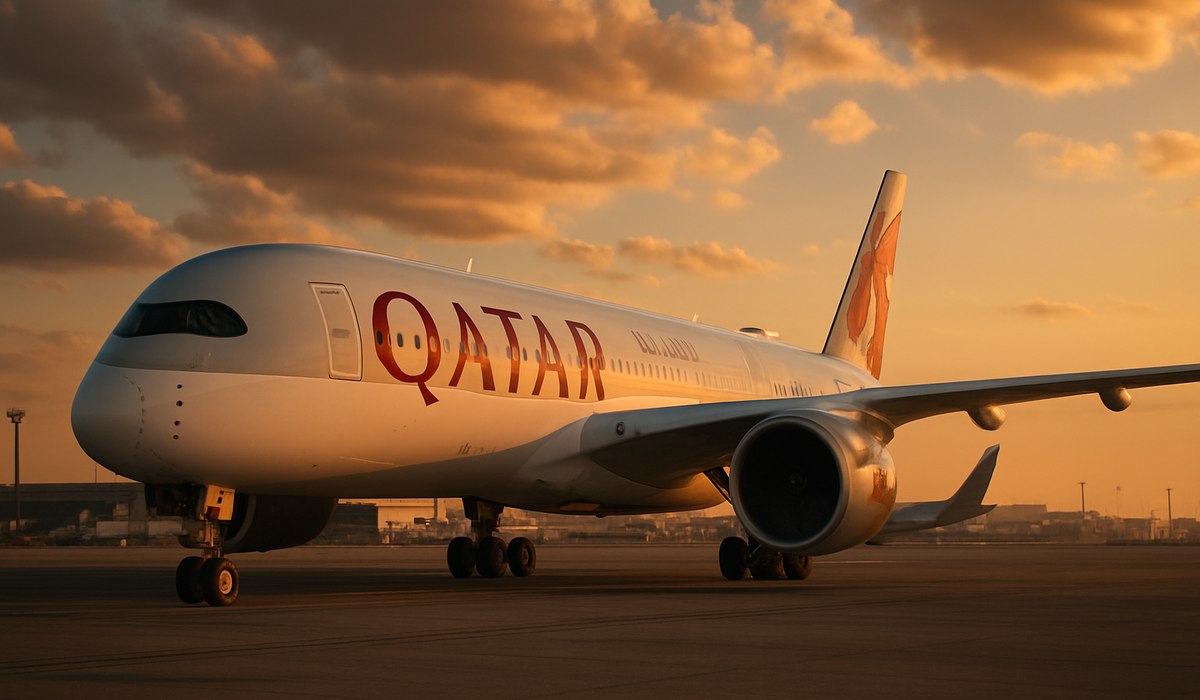
Image generated by AI
Qatar Airways Drastically Slashes Australia-Doha Capacity Amid Airspace Crisis
Qatar Airways is dramatically reducing flights between Australia and its Doha hub as prolonged Middle East airspace restrictions continue to paralyze regional operations. The Qatari carrier initially suspended most services when Qatari airspace closed in late February, and despite partial reopening, the airline remains unable to restore normal frequency to Australian gateways. This capacity crunch has left thousands of passengers stranded, facing unexpected cancellations, forced rebookings, and diversions through alternative hubs across Asia and the Middle East that extend travel times by 10+ hours.
Middle East Crisis Paralyzes Qatar's Flight Hub
The escalating Iran-related conflict has triggered sweeping airspace closures across Iran, Iraq, Kuwait, and Syria, with Qatar itself implementing strict flight corridor restrictions. These closures directly undermine Doha's role as a global aviation hub, forcing airlines to avoid key overflight routes or accept severe operational constraints when accessing Qatari airspace.
Qatar Airways initially grounded nearly all operations after authorities sealed Qatari skies in late February. By early March, emergency protocols permitted only tightly managed arrivals and departures at Hamad International Airport, prioritizing evacuations and cargo while regular passenger services remained severely restricted. Industry data shows that more than 14,000 flights across the broader Middle East region have been cancelled since the conflict escalated, with capacity through Doha, Dubai, and Abu Dhabi experiencing dramatic reductions.
Aviation bulletins from international operations groups indicate that Qatari authorities still retain the ability to impose short-notice closures, creating persistent volatility for long-haul operations. Recent reports confirm that Qatar Airways has begun cautiously rebuilding its schedule, operating approximately 80 daily departures from Doha across its entire network. While this marks improvement from the near-complete standstill during peak crisis weeks, it remains substantially below the carrier's standard global frequencies, particularly impacting ultra-long-haul routes like Australia-Doha service.
Check FlightAware for real-time flight status updates and airspace restrictions affecting Middle East operations.
Scale of Disruption: 14,000+ Regional Cancellations
The magnitude of operational disruption extends far beyond Qatar Airways alone. Regional aviation data compiled by flight tracking services reveals that 14,000+ flights have been cancelled across the Middle East since late February, representing an unprecedented capacity shock for travelers dependent on Gulf hub connectivity.
This widespread cancellation pattern reflects a systemic challenge: without reliable access to Iranian, Iraqi, and Kuwaiti airspace, aircraft must either accept significant fuel penalties by flying extended southern routes or accept cancellation. Long-haul flights like Sydney-Doha routes are particularly vulnerable because they demand stable, direct corridor access to be economically viable.
Qatar Airways' scaling back strategy prioritizes shorter, more operationally flexible routes in Europe and Asia over ultra-long-haul Australian services. Travel forums and aviation watchdog sites document passengers discovering cancelled Australia-Doha flights with minimal advance warning, often receiving notifications just days before scheduled departure. The integration between Qatar Airways and Virgin Australia has proven especially vulnerable; Virgin-branded codeshare flights operated by Qatar aircraft have faced systematic cancellations, consolidating remaining capacity into fewer direct Qatar Airways operations.
Qatar Airways' Cautious Rebuild Remains Far Below Normal
Recovery from the operational crisis is proceeding at a measured pace. Qatar Airways communications confirm that the airline is cautiously restoring schedule frequency, but recovery remains far below pre-crisis capacity levels. The carrier currently operates around 80 daily departures from Doha, compared to typical frequencies exceeding 200+ daily movements across its global network during normal operating conditions.
Australia-Doha routes have emerged as particularly vulnerable to this constrained capacity environment. Sydney, Melbourne, and Perth services show sharply reduced frequencies, with multiple days where zero non-stop service operates to Doha. Passengers on aviation communities and specialized travel sites report a clear operational hierarchy: shorter European and Asian sectors are being restored before ultra-long-haul Australian links, reflecting both fuel economics and airspace uncertainty.
Recent schedule revisions from Qatar Airways emphasize that all planned operations remain subject to last-minute cancellation or rerouting due to conflict-related regulatory or operational changes. This uncertainty extends across rebooking pathways; while the airline offers alternative date changes or routing options, Australian gateway capacity is significantly constrained. Many rebooking attempts result in rerouting through Singapore, Hong Kong, or Tokyo with extended layovers, often adding 8-12 hours to total journey times.
Monitor schedule changes through the US Department of Transportation airline consumer protection guidelines, which outline passenger rights during disruptions affecting U.S. connections.
What Travelers Can Expect on Australia Routes
Passengers with confirmed bookings between Australia and Doha should anticipate rolling cancellations confirmed only days—sometimes hours—before departure. Qatar Airways' operational unpredictability creates cascading disruptions for connecting traffic, particularly passengers booked onward to European destinations like London, Paris, or Frankfurt where Doha connections are currently unreliable.
The carrier's flexible rebooking policy permits complimentary date changes for many tickets, though alternative departure dates may be weeks away due to capacity constraints. Refunds are available under certain circumstances, particularly for lengthy cancellation notices or significant schedule delays. However, processing refunds involves extended timelines (often 4-6 weeks) and requires proper documentation.
Passengers facing last-minute cancellations should immediately contact Qatar Airways customer service to explore three primary options: rebooking on later Qatar Airways flights, rerouting through alternative Gulf carriers (Emirates, Etihad, Oman Air), or requesting refunds. The rebooking process often proves more practical than awaiting refunds, particularly for travelers with fixed travel requirements.
Airlines operating competitor services like Emirates (Dubai hub) and Etihad (Abu Dhabi hub) are experiencing their own capacity constraints, though both maintain slightly greater operational flexibility than Doha currently provides. Alternative routing through Southeast Asian hubs (Singapore Airlines, Thai Airways) may offer additional options with potentially longer journey times but greater schedule reliability.
Travel insurance policies with cancellation coverage become increasingly valuable during this period; many policies reimburse non-refundable portions of airfare when airlines cancel services, though coverage varies by policy terms and airline classification.
Consult the FAA Notice to Airmen database for current airspace restrictions affecting international flights connecting through Middle East gateways.
Traveler Action Checklist
-
Verify your booking immediately: Log into your Qatar Airways account and check for any schedule changes, cancellation notices, or rebooking alerts specific to your confirmation.
-
Request status confirmation: Contact Qatar Airways directly via phone, email, or chat within 48 hours of your flight departure to obtain current operational status rather than relying on booking websites.
-
Document all cancellation communications: Screenshot and save all cancellation notices, rebooking offers, and customer service interactions for potential future compensation claims or insurance filings.
-
Explore rebooking alternatives proactively: Before waiting for Qatar Airways rebooking offers, research alternative routes through Singapore, Hong Kong, or Dubai that depart on your preferred date with realistic arrival times.
-
Review your travel insurance policy: Confirm coverage for airline cancellations, baggage rebooking costs, and accommodation expenses if your flight is cancelled within 72 hours of departure.
-
File for compensation if eligible: Under EU261 or equivalent regulations (depending on your departure location), you may qualify for EUR 200-600 compensation if cancellation occurs with insufficient notice.
-
Monitor airspace updates daily: Check FlightAware and aviation news sources for updates on Qatari airspace status, which directly impacts Qatar Airways' ability to maintain Australia services.
Key Disruption Data
| Metric |
Disclaimer
This article is for informational and educational purposes only. It does not constitute legal, financial, or professional advice. While we strive to provide accurate and up-to-date information, travel policies, regulations, and conditions change rapidly. Always verify information with official sources before making travel decisions. Nomad Lawyer makes no representations about the accuracy, reliability, completeness, or suitability of the information provided. Readers should consult qualified professionals for advice specific to their circumstances. The views expressed in this article are those of the author and do not necessarily reflect the views of Nomad Lawyer.
Kunal K Choudhary
Co-Founder & Contributor
A passionate traveller and tech enthusiast. Kunal contributes to the vision and growth of Nomad Lawyer, bringing fresh perspectives and driving the community forward.
Learn more about our team →