
Qatar Airways Extends Route Suspensions to 2027 Affecting Saudi Arabia Nigeria Somalia and Malta
Qatar Airways has extended significant route suspensions until March 2027, impacting critical connectivity to Saudi Arabia, Nigeria, Somalia, and Malta as part of a global network recalibration.

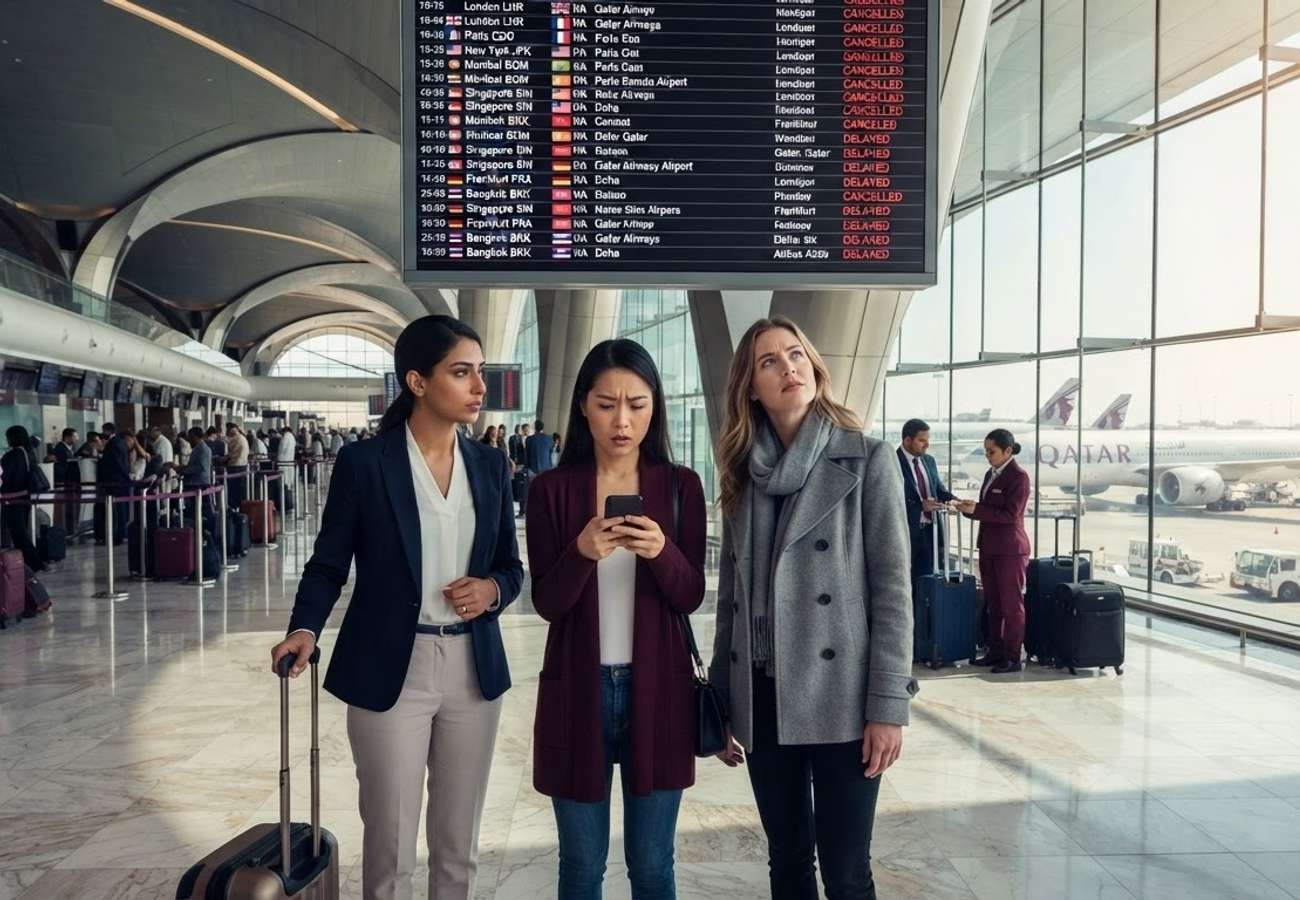
Image generated by AI
Qatar Airways has announced a significant extension of route suspensions across several international corridors, with many services now slated to remain inactive until at least March 2027. This decision fundamentally alters the transit landscape for passengers utilizing Hamad International Airport in Doha, particularly those traveling between Africa, Europe, and the Middle East.
The move is not a response to a specific emergency but rather a calculated strategic pivot. By pruning lower-yield regional connections, the carrier is attempting to optimize its capacity and align its fleet with high-demand, premium long-haul corridors.
Strategic Drivers Behind the Network Shift
The extension of these suspensions suggests a permanent shift in how Qatar Airways views its global footprint. The airline is moving away from a "coverage-first" model toward a "profitability-first" framework.
Several structural factors are driving this realignment:
- Yield Optimization: Prioritizing high-revenue intercontinental hubs (connecting North America, Asia, and Europe) over secondary regional routes.
- Resource Reallocation: Shifting aircraft and crew to premium tourism and business corridors where demand is more resilient.
- Operational Constraints: Managing airspace complexities and operational bottlenecks in sensitive flight corridors.
- Industry Trends: Following a global pattern where major carriers are consolidating hub-and-spoke systems to improve fuel efficiency and aircraft utilization.
Regional Breakdown of Affected Travel Zones
The impact of these suspensions is uneven, with some markets facing severe connectivity drops while others see minor frequency adjustments.
High-Impact Markets
In Saudi Arabia, several connections to secondary international airports have been severed. In Africa, the loss of routes to Nigeria (specifically Kano) and Somalia (Mogadishu) significantly reduces regional mobility and access to the Gulf. In Europe, the suspension of routes to Malta creates a gap in Mediterranean tourism connectivity.
European and Global Disruption Zones
Beyond the primary affected nations, several other corridors are experiencing volatility:
- Germany: Disruptions specifically affecting the Hamburg route.
- Italy: Impact on the Venice tourism corridor.
- Türkiye: Connectivity changes involving Istanbul Sabiha Gökçen.
- Bulgaria: Reductions in service to Sofia.
Doha Hub Connectivity and Passenger Impact
While Doha remains one of the world's most critical aviation hubs, the reduction in "feeder" routes diminishes the efficiency of the hub-and-spoke model for certain passengers. Travelers who previously relied on a single, seamless connection in Doha now face a fragmented itinerary.
The primary consequences for passengers include:
- Increased Transit Times: Rerouting via alternative hubs often adds several hours to total travel time.
- Fare Volatility: Reduced competition on specific corridors can lead to price spikes for the remaining available flights.
- Limited Flexibility: Fewer seasonal rebooking options for those traveling in 2026 and 2027.
Summary of Suspended Corridors
The following table outlines the specific regions and the nature of the disruption caused by the 2027 extensions.
| Region | Routes Affected | Impact Type |
|---|---|---|
| Middle East | Saudi domestic & international links | Reduced regional connectivity |
| Africa | Nigeria, Somalia routes | West & East Africa access decline |
| Europe | Germany, Italy, Bulgaria, Malta | Tourism and business disruption |
| Gulf Transit | Multiple Doha connectors | Hub connectivity restructuring |
Actionable Advice for Affected Travelers
With these suspensions extending into 2027, passengers should move away from legacy booking assumptions. The availability of seats on these specific corridors will be significantly tighter.
Recommended steps for travelers:
- Verify Status: Check current flight availability specifically for 2026–2027 windows before finalizing itineraries.
- Explore Alternatives: Consider alternative Gulf carriers or hubs, such as Dubai (DXB) or Abu Dhabi (AUH), to maintain similar transit patterns.
- Audit Refunds: If you hold tickets for these suspended routes, review your eligibility for full refunds or re-routing.
- Prioritize Flexibility: Use flexible ticketing options to mitigate the risk of further network adjustments.
This shift signals a new era for global aviation, where strategic concentration and operational efficiency are prioritized over broad regional coverage.
Related Travel Guides
Disclaimer
This article is for informational and educational purposes only. It does not constitute legal, financial, or professional advice. While we strive to provide accurate and up-to-date information, travel policies, regulations, and conditions change rapidly. Always verify information with official sources before making travel decisions. Nomad Lawyer makes no representations about the accuracy, reliability, completeness, or suitability of the information provided. Readers should consult qualified professionals for advice specific to their circumstances. The views expressed in this article are those of the author and do not necessarily reflect the views of Nomad Lawyer.
Raushan Kumar
Founder & Lead Developer
Full-stack developer with 11+ years of experience and a passionate traveller. Raushan built Nomad Lawyer from the ground up with a vision to create the best travel and law experience on the web.
Learn more about our team →