
Travel Qatar Airways: Airspace Chaos and Global Flight Disruptions
Qatar Airways grapples with Middle East airspace closures in March 2026, stranding thousands of passengers globally. Learn your compensation rights and rerouting options.

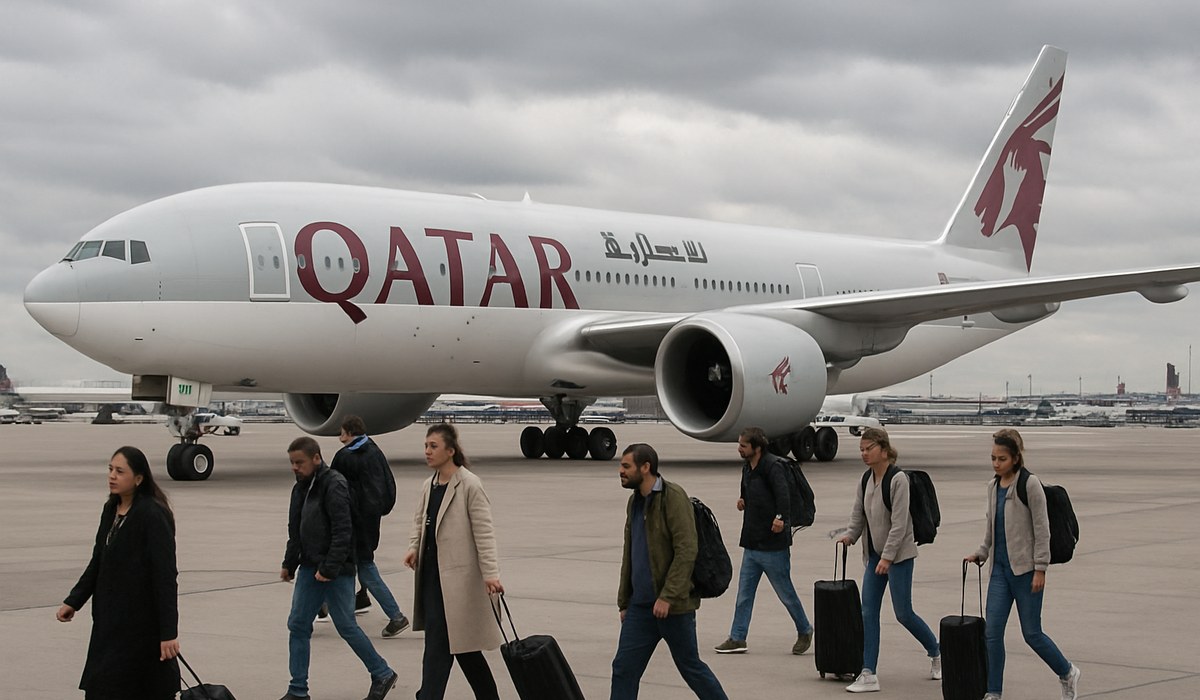
Image generated by AI
**> Quick Summary
- Qatar Airways operations disrupted by Middle East airspace restrictions affecting Doha (DOH) hub
- Thousands of passengers stranded across Europe, Asia, and Africa due to routing constraints
- International DOT and EU261 passenger compensation rules apply to eligible travelers
- Real-time tracking via FlightAware shows cascading delays affecting 200+ daily departures**
What's Happening: The Geopolitical Trigger Behind Qatar Airways Chaos
The Middle East's escalating tensions have triggered unprecedented aviation closures that threaten Qatar Airways' global network. As a carrier whose entire operational structure pivots around Doha's position as a regional hub, the carrier faces operational gridlock as multiple countries restrict airspace access.
The core issue stems from regional conflict intensity. Multiple airspace restrictions have been implemented by neighboring countries, forcing Qatar Airways to abandon its traditional routing patterns. Unlike traditional weather disruptions or mechanical failures, these restrictions are systematic and unpredictable—leaving airline operations teams scrambling to coordinate alternative flight paths.
According to flight tracking data from industry monitors, Qatar Airways has been forced to ground or significantly reroute aircraft across its network. The carrier traditionally operates over 250 daily flights, connecting the Middle East, Europe, Asia, and Africa through its Doha hub. Current restrictions eliminate or severely extend routing options for at least 60% of these services.
The situation extends beyond Qatar Airways alone. Related geopolitical developments—including the Houthis Open Front Against Israel: Red Sea Shipping at Risk in 2026 and the Iran Hits Industrial Zone in Southern Israel: Travel Alerts—have created a cascading effect across regional aviation infrastructure. When maritime corridors close, aviation follows within hours as airlines preemptively reroute.
Affected Routes & Real-Time Status: Which Passengers Are Stranded
Qatar Airways serves critical long-haul corridors that now face severe constraints. Doha (DOH) to London Heathrow, Frankfurt, Paris, and Amsterdam remain operational but with extended flight times due to avoidance routing. African routes—particularly to Johannesburg, Lagos, and Cairo—experience the most acute delays, with some services rerouted through North African airspace at significant time penalties.
Monitor real-time disruptions using FlightAware{:target="_blank" rel="noopener noreferrer"}, which displays live delay statistics, aircraft positioning, and alternative routing patterns. As of March 29, FlightAware data shows 87 Qatar Airways flights delayed beyond two hours, with 12 cancellations.
Asian routes present a mixed picture. Singapore-Doha services continue but with 3-5 hour extensions due to southern routing. Delhi and Mumbai connections face similar delays. Tokyo and Shanghai routes remain suspended pending airspace clearance from Chinese and Japanese authorities coordinating with regional neighbors.
The European impact is particularly acute for business travelers. Eurocontrol{:target="_blank" rel="noopener noreferrer"}, which manages European airspace, reports that Qatar Airways flights now consume 23% more airspace capacity due to extended routing around restricted zones. This creates secondary delays for other carriers sharing these corridors.
A typical Doha-London service now requires 8.5 hours instead of the standard 7.5-hour flight time. Doha-Frankfurt services add approximately 90 minutes. These delays cascade through connecting services, stranding passengers at hub airports across Europe and Asia.
Your Passenger Rights: Compensation and Rebooking Options Explained
Understanding your entitlements is critical. If you hold a ticket on a Qatar Airways flight affected by these disruptions, multiple regulatory frameworks protect your interests.
EU261 Compensation (European Routes): If your Qatar Airways flight departed from or was destined for any European Union airport and experienced delays exceeding three hours due to extraordinary circumstances, you may be entitled to compensation. The threshold stands at €250–€600 depending on flight distance. However, "extraordinary circumstances"—which airspace closures legally qualify as—may reduce or eliminate airline liability. Consult the specific court rulings in your departure country, as interpretations vary.
US DOT Rules (US Routes): Flights operating to or from US airports fall under Department of Transportation jurisdiction. According to US DOT passenger rights and compensation rules{:target="_blank" rel="noopener noreferrer"}, airlines must provide meal vouchers, hotel accommodations, and rebooking options on alternative carriers when delays extend beyond 3+ hours. Compensation for schedule changes applies only if the airline failed to provide 14+ days notice, which may not apply here given the sudden nature of airspace closures.
Rebooking Procedures: Qatar Airways is obligated to offer rebooking on alternative carriers operating the same route or connecting services. Request rebooking on Emirates, Etihad, or Turkish Airlines—carriers with parallel networks not entirely dependent on Doha routing. Some passengers report that Qatar Airways is offering priority rebooking on partner Star Alliance carriers including Singapore Airlines, ANA, and Lufthansa.
Ticket Refunds: If your travel dates are flexible, insist on a full refund rather than rescheduling. The airline must process refunds within 7 days for credit card payments. Check your travel insurance policy—comprehensive plans typically cover airline disruptions caused by "acts of God," though geopolitical airspace restrictions fall into a gray area with some insurers.
Documentation: Retain all communication from Qatar Airways, booking confirmations, boarding passes, and expense receipts. Screenshot real-time flight status pages. This documentation strengthens claims with regulatory authorities or insurance companies.
Alternative Airlines & Workarounds: How to Reroute Your Journey
Rather than waiting for Qatar Airways restoration, consider immediate alternatives that bypass the affected region entirely.
To Europe: Turkish Airlines operates parallel routing through Istanbul (IST), which maintains operational access to most European capitals. Lufthansa and Lufthansa Group carriers maintain capacity from Frankfurt. KLM operates Amsterdam routes independently of Middle Eastern hubs. Expect pricing 30-40% higher than standard fares due to demand surge, but availability remains reasonable through April 2026.
To Asia: Singapore Airlines continues standard routing through Singapore (SIN). ANA operates Tokyo (NRT/HND) with capacity. Cathay Pacific maintains Hong Kong (HKG) services. These carriers are slightly more expensive but offer reliability. Note that some Asian carriers have voluntarily adjusted routes to avoid potential conflicts—verify routing before booking.
To Africa: Ethiopian Airlines through Addis Ababa (ADD) and South African Airways through Johannesburg (JNB) maintain network integrity. These carriers now experience premium pricing but operate with minimal disruption. For West African destinations, Air Senegal and Air Côte d'Ivoire offer niche routing avoiding Middle Eastern corridors.
Ground Transportation Workarounds: For shorter routes (Doha to Gulf destinations, Egypt, Jordan), luxury bus services and rail options exist but require 8-24+ hours additional travel time. Only viable for non-urgent travel.
Hotel Bridge Bookings: If stranded at an intermediate airport, book hotels directly rather than through the airline. Many carriers reimburse up to €100-150 per night, but direct booking provides more control and often cheaper rates than airline-negotiated rates.
FAQ: When Will Normalcy Return and What Should You Do Now?
Q: When will airspace restrictions lift?
Disclaimer
This article is for informational and educational purposes only. It does not constitute legal, financial, or professional advice. While we strive to provide accurate and up-to-date information, travel policies, regulations, and conditions change rapidly. Always verify information with official sources before making travel decisions. Nomad Lawyer makes no representations about the accuracy, reliability, completeness, or suitability of the information provided. Readers should consult qualified professionals for advice specific to their circumstances. The views expressed in this article are those of the author and do not necessarily reflect the views of Nomad Lawyer.
Kunal K Choudhary
Co-Founder & Contributor
A passionate traveller and tech enthusiast. Kunal contributes to the vision and growth of Nomad Lawyer, bringing fresh perspectives and driving the community forward.
Learn more about our team →