
Qantas Bedbug Outbreak Grounds Boeing 787 in Rome: Flight QF6 Cancelled Amid Disruption
Qantas withdrew a Boeing 787 Dreamliner from service in Rome following passenger bedbug bites on a 17-hour flight from Perth, cancelling return flight QF6 and triggering EU261 compensation obligations.

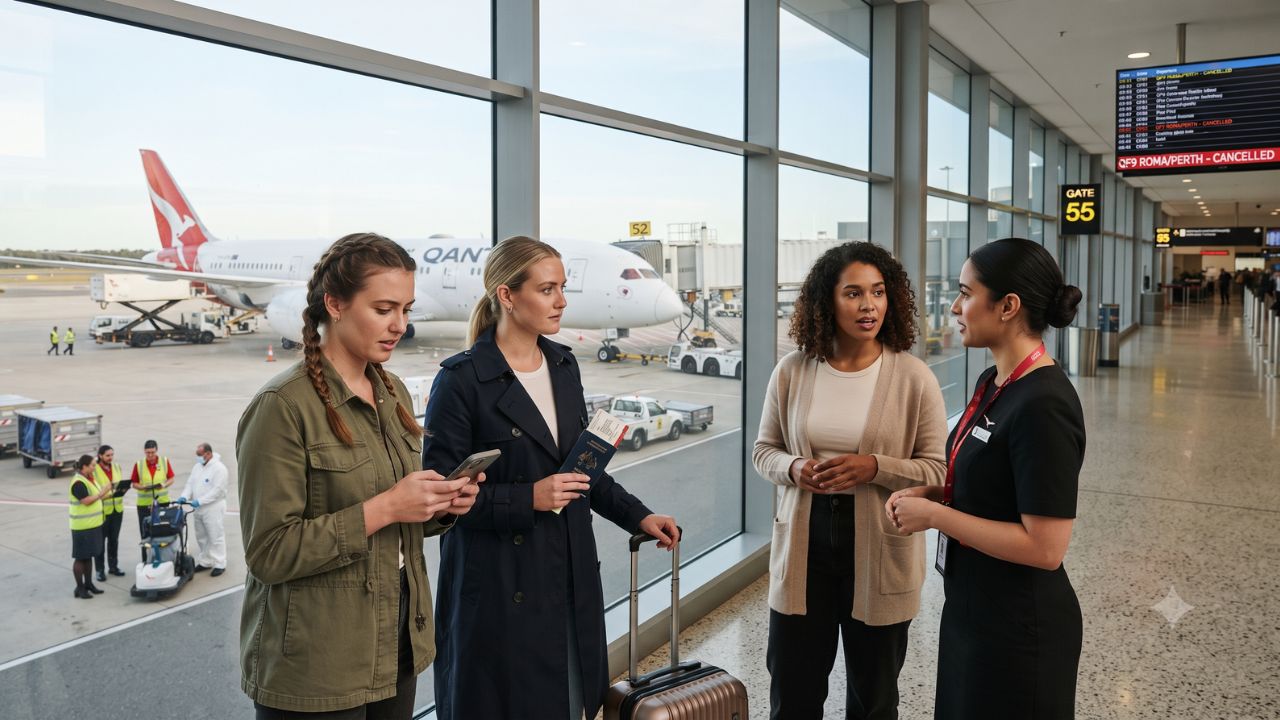
Following a grueling 17-hour ultra-long-haul sector from Perth to Rome, Qantas grounded one of its flagship Boeing 787 Dreamliners on Saturday, 10 October 2026, after multiple economy passengers suffered bedbug bites aloft, forcing the abrupt cancellation of return flight QF6. The decision to pull the intercontinental widebody out of scheduled service came after travelers aboard the inbound QF5 service on Friday, 9 October, reported insect bites and received antihistamines from cabin crew to relieve persistent itching. With the infestation localized to a small cluster of economy seats, engineering teams in Italy initiated deep-cleaning chemical treatments and structural cabin inspections, stranding Rome-origin passengers and triggering 48-hour rebooking protocols.
The grounding highlights the operational fragility of point-to-point ultra-long-haul flying. Unlike traditional multi-hub networks that route traffic through intermediate staging posts where spare aircraft can be swapped, specialized nonstop services connecting Australia and Europe operate on lean fleet allocations. Withdrawing a single long-range airframe thousands of miles from its primary maintenance hub generates cascading schedule shocks, exposing the carrier to extensive accommodation bills and statutory passenger claims under European consumer protection regulations.
Fleet Rotations and Cabin Infestation: The Grounding of Flight QF6 in Rome
The disruption centers on one of the aviation industry's longest commercial air corridors. Qantas operates the nonstop route between Western Australia and Rome Fiumicino using customized Boeing 787-9 Dreamliners configured for extreme range. Inbound flight QF5 departed Perth on Friday, 9 October 2026, crossing the Indian Ocean and Middle Eastern corridors during an approximately 17-hour journey. During the flight, travelers seated in the economy section alerted cabin crew to active insect bites. Flight attendants distributed oral antihistamines to alleviate discomfort, documenting the incident for ground operations.
Upon landing at Leonardo da Vinci–Fiumicino Airport, technical teams examined the cabin and confirmed pest activity within an isolated seating block. Rather than attempting a hurried cosmetic turnaround, Qantas Airways cancelled the return sector, QF6, scheduled to depart Rome for Perth on Saturday, 10 October. Grounding the aircraft for comprehensive thermal fumigation and deep cleaning left hundreds of passengers without immediate passage back to Australia. The carrier provided hotel lodging in Rome and committed to securing alternative rebooked flights within 48 hours of original departure schedules.
Bedbugs represent a persistent biosecurity hazard for public transportation systems. The wingless, nocturnal parasites shelter inside upholstery seams, seat foam cavities, and carpet edges, emerging to feed on blood. According to clinical guidance from the National Health Service (NHS), bedbug bites produce localized inflammatory swelling and severe itching. While bites rarely transmit infectious bloodborne pathogens, intense scratching can cause secondary bacterial skin infections, and severe allergic reactions can occasionally develop. Decontaminating commercial aircraft requires specialized thermal treatment or residual insecticide application that immobilizes pests hiding deep within electrical conduits and seat tracks.
Operational Breakdown and Historical Aviation Pest Disruption Profile
Cabin pest infestations present high-risk maintenance disruptions that force immediate aircraft withdrawals across both global airlines and intercity railway operators.
| Incident Identifier / Operator | Route Sector & Equipment Type | Disruption Timeline | Immediate Operational Action | Passenger Impact & Remedies |
|---|---|---|---|---|
| Qantas Flight QF5 / QF6 (2026) | Perth (PER) – Rome (FCO); Boeing 787-9 | 9–10 October 2026 | QF6 cancelled; aircraft grounded in Rome for deep clean | Passengers given hotels; rebooked within 48 hours; EU261 claims |
| British Airways (2017) | Vancouver (YVR) – London (LHR); Widebody | Overnight long-haul | Formal apology; cabin fumigation on arrival | Passengers compensated following severe bite complaints |
| Southeastern Railway (UK) | Intercity Commuter Network; Train Sets | Service withdrawal | Train services cancelled after cab discoveries | Driver health halts; extensive rolling stock inspection |
| Turkish Airlines (Historical) | International Long-Haul Fleet | Media reporting | Deep cabin sanitation protocols deployed | Enhanced cabin cleaning and seat upholstery reviews |
Under Qantas's published customer charter, cancellations occurring within 72 hours of departure obligate the airline to rebook passengers on the next available flight without extra ticketing fees, alongside providing lodging, ground transfers, and meal stipends. However, for flights departing an Italian gateway, regulatory accountability shifts from voluntary airline customer policies to mandatory statutory law.
Expert Analysis: Ultra-Long-Haul Aircraft Utilization, EU261 Liability, and Turnaround Biosecurity
For travelers booking nonstop routes between Europe and Australia, the direct consequence of ultra-long-haul fleet specialization is severe schedule vulnerability during unscheduled maintenance events. Qantas maintains a tightly utilized fleet of Boeing 787-9 Dreamliners specifically tasked with nonstop services connecting Perth with London, Paris, and Rome. Because these aircraft operate near the structural limit of commercial airliner range, standard aircraft cannot substitute for them. When a Dreamliner is grounded in Rome for a multi-day fumigation cycle, the airline cannot simply ferry an empty spare aircraft from Sydney or Melbourne without incurring 20 hours of non-revenue flying and immense crew positioning costs.
The pricing pressure this creates means passenger rebooking options become exceptionally expensive and complex. To clear backlogs within the promised 48-hour window, Qantas must purchase high-yield commercial seats on partner airlines across the oneworld alliance or re-route passengers through Gulf and Asian hubs like Dubai, Doha, and Singapore. During peak autumn travel windows when premium cabins operate near full capacity, finding hundreds of open seats across third-party carriers forces airlines to absorb massive re-ticketing expenses.
From a regulatory standpoint, Qantas faces significant statutory liability under European consumer law. Because flight QF6 was scheduled to depart from an airport located within the European Union (Rome Fiumicino), the service falls squarely under European Commission Air Passenger Rights (Regulation EC 261/2004). While airlines frequently attempt to classify pest infestations as extraordinary circumstances beyond carrier control, European courts have consistently ruled that aircraft hygiene, cabin maintenance, and interior passenger safety constitute intrinsic operational duties of an air carrier.
Under EU261 rules governing long-haul flights exceeding 3,500 kilometers, affected passengers whose flights are cancelled without 14 days of advance notice are legally entitled to €600 in statutory cash compensation, in addition to duty of care covering hotel lodging, meals, and communications. For a widebody aircraft processing hundreds of passengers, statutory cash compensation liabilities alone can quickly exceed €150,000 to €200,000, dwarfing the physical cost of cabin cleaning.
From a public health perspective, passengers suspecting cabin exposure must take disciplined post-travel precautions to prevent secondary domestic infestations. Guidance from health authorities recommends isolating all travel luggage immediately upon arrival. Clothing and washable personal items should be laundered at a minimum temperature of 60°C (140°F) and tumble-dried on high heat for at least 30 minutes, as thermal exposure remains the only proven non-chemical method to destroy both adult insects and microscopic eggs. Non-washable luggage pieces should be thoroughly vacuumed and quarantined, ensuring that localized cabin incidents do not transfer into private residences.
Key Takeaways
- Qantas cancelled Rome–Perth flight QF6 on 10 October 2026 after economy passengers suffered bedbug bites during the 17-hour inbound sector from Western Australia.
- The Boeing 787-9 Dreamliner was taken out of service at Rome Fiumicino Airport for specialized deep cleaning and structural upholstery inspection.
- Affected passengers were provided hotel accommodation and rebooked on alternative flight itineraries within 48 hours of scheduled departure.
- Because the flight originated in Italy, passengers are eligible to claim statutory cash compensation of €600 per ticket under European Union Regulation 261/2004.
- Health authorities recommend washing travel clothing at 60°C and hot tumble-drying for 30 minutes to eradicate hitchhiking bedbugs and prevent home infestations.
FAQ: Qantas Rome Flight Cancellation and Bedbug Protocols 2026
Why was Qantas flight QF6 from Rome to Perth cancelled on 10 October 2026?
Qantas cancelled flight QF6 after passengers on the inbound Perth-to-Rome flight (QF5) reported insect bites. The airline grounded the Boeing 787 Dreamliner in Rome to conduct an intensive deep clean and seat inspection.
Are passengers on the cancelled Rome flight entitled to EU261 compensation?
Yes. Because QF6 was scheduled to depart from an airport in the European Union, passengers are covered by EU Regulation 261/2004, entitling eligible travelers to €600 in cash compensation plus hotel accommodation and meals.
What should travelers do if bitten by bedbugs during a commercial flight?
Inform cabin crew immediately to document the complaint in the official flight log. To treat bites, wash the affected area with soap and water, apply cool compresses, and consult a pharmacist for antihistamines or soothing creams.
How do travelers prevent bedbugs from entering their homes after a flight?
Immediately wash all clothing from the trip at 60°C (140°F) and tumble-dry on high heat for at least 30 minutes. Vacuum luggage thoroughly, seal non-washable items in plastic bags, and store suitcases away from bedrooms.
Prompt reporting of in-flight bites and rigorous post-flight thermal luggage decontamination remain essential for passengers navigating ultra-long-haul cabin disruptions.
Related Travel Guides
Disclaimer
This article is for informational and educational purposes only. It does not constitute legal, financial, or professional advice. While we strive to provide accurate and up-to-date information, travel policies, regulations, and conditions change rapidly. Always verify information with official sources before making travel decisions. Nomad Lawyer makes no representations about the accuracy, reliability, completeness, or suitability of the information provided. Readers should consult qualified professionals for advice specific to their circumstances. The views expressed in this article are those of the author and do not necessarily reflect the views of Nomad Lawyer.
Kunal K Choudhary
Co-Founder & Contributor
A passionate traveller and tech enthusiast. Kunal contributes to the vision and growth of Nomad Lawyer, bringing fresh perspectives and driving the community forward.
Learn more about our team →