
Portugal's Cruise Tourism Boom Just Hit €940 Million — Here's What Travelers Need to Know
Portugal's cruise tourism sector has officially generated €940 million in economic impact, supported 10,000 jobs, and carried 80,000 Portuguese travelers on sea-based holidays last year.

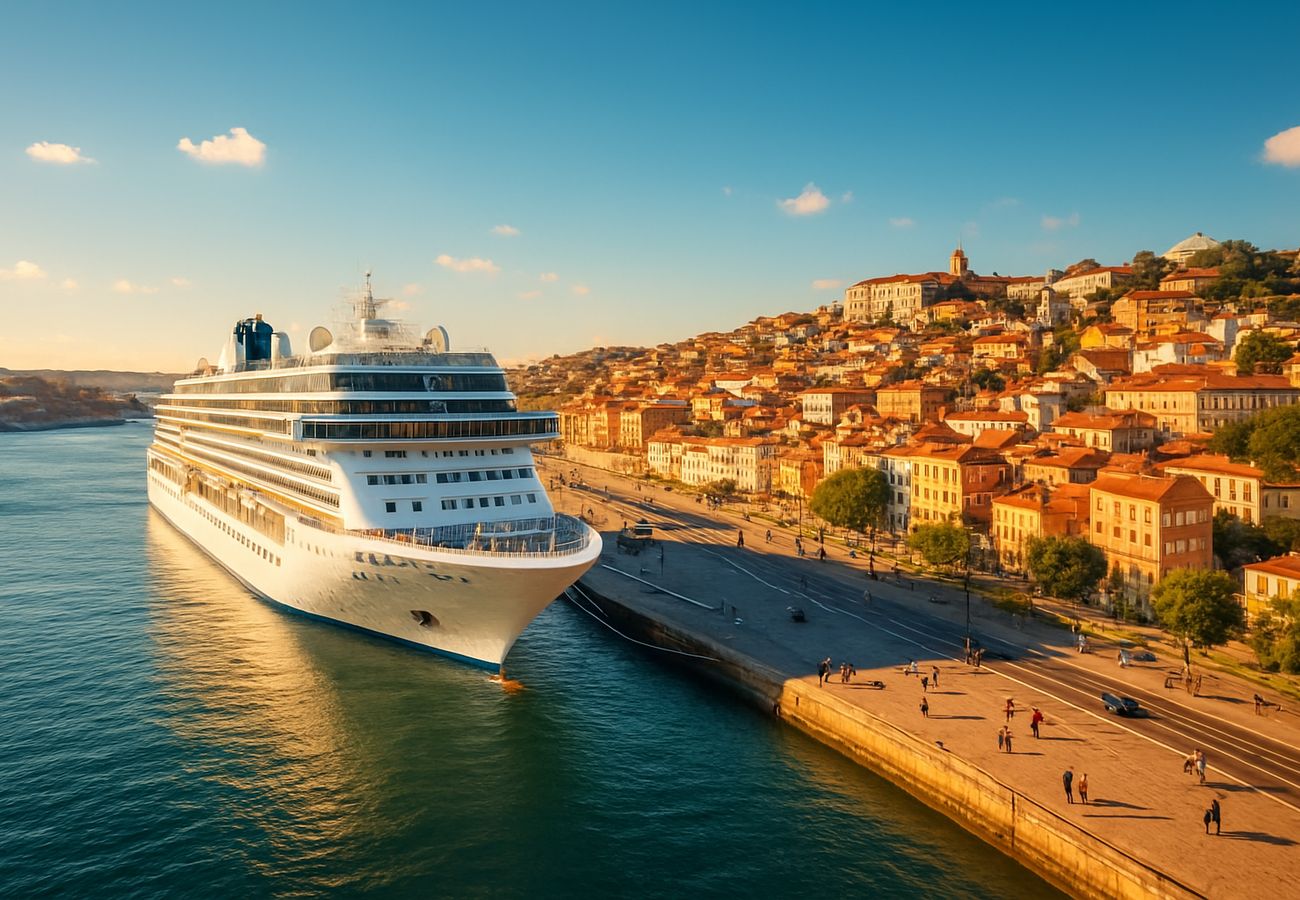
Image generated by AI
Quick Summary
- Portugal's cruise tourism sector has officially generated an estimated €940 million in total economic impact, firmly establishing the sector as a critical pillar of the national tourism economy.
- Approximately 80,000 Portuguese travelers took cruise holidays last year, with Mediterranean, Caribbean, Bahamas, and Bermuda routes emerging as the dominant choices.
- The sector directly and indirectly supports nearly 10,000 jobs across port logistics, hospitality, transportation, and local tourism services.
- Portuguese cruise operators are rapidly investing in multi-fuel vessels and hybrid propulsion systems, aligning with EU maritime sustainability targets and global climate commitments.
Portugal is experiencing a full-scale maritime renaissance, and the numbers are impossible to ignore. The country's cruise tourism sector has officially delivered an estimated €940 million in total economic impact, according to the latest European maritime transport industry assessments — a figure that underscores just how central sea-based travel has become to Portugal's broader tourism economy.
Approximately 80,000 Portuguese travelers took structured cruise holidays in the most recent annual period, a steady rise driven by improved accessibility to cruise departure points, expanded travel packages, and surging consumer appetite for multi-destination holiday formats.
€940 Million and 10,000 Jobs: The Scale of Portugal's Cruise Economy
The raw economic numbers from Portugal's cruise sector tell a compelling story of distributed, high-efficiency tourism revenue.
The estimated €940 million in total economic impact has flowed across multiple interconnected sectors:
- Port services and operations: Terminal management, logistics, and maritime transport
- Hospitality and accommodation: Pre- and post-cruise hotel stays in port cities
- Local tour operators and transportation: Shore excursion providers and ground transport
- Retail and food services: Spending in port city restaurants, shops, and markets
Critically, this economic activity has supported close to 10,000 jobs through both direct employment in cruise operations and indirect roles in the wider tourism supply chain. The impact has been particularly pronounced in Portugal's coastal regions, where cruise ports function as major seasonal economic gateways.
The structured, predictable nature of cruise passenger arrivals — as opposed to the irregular flow of independent travelers — allows local businesses and municipal authorities to plan resources efficiently, maximizing revenue capture during ship visits.
Where Portuguese Cruisers Are Sailing
The destination preferences of Portugal's 80,000 annual cruise travelers reveal a sophisticated market with both regional and long-haul ambitions.
Mediterranean routes remain the dominant choice, driven by geographic proximity, cultural familiarity, and an established infrastructure of highly accessible port cities spanning Spain, France, Italy, Greece, and Croatia.
However, a significant and growing segment is actively choosing longer, more ambitious itineraries:
- Caribbean: Multi-week voyages combining island-hopping across the Eastern and Western Caribbean
- Bahamas: Short-to-medium haul Atlantic sailings with strong beach and resort appeal
- Bermuda: Transatlantic itineraries combining North Atlantic heritage with pristine pink-sand beaches
This combination of near and far-haul demand demonstrates that Portuguese cruise travelers are not a single, homogeneous market — they span budget-conscious first-timers on 7-night Mediterranean sailings to affluent long-haul cruisers targeting 14-to-21-night transatlantic voyages.
Portugal's Strategic Position in the European Cruise Network
Portugal's growing cruise dominance is not accidental — it is a product of deliberate strategic positioning within the Atlantic-Mediterranean maritime corridor.
Lisbon and Porto sit at the intersection of two of the world's busiest cruise traffic lanes: the Mediterranean and the transatlantic Atlantic route. This geographic advantage means that Portugal's ports naturally attract repositioning voyages, world cruise stopovers, and dedicated homeport deployments from major international operators.
Port modernization investments have further enhanced Portugal's competitiveness. Upgraded terminal facilities, improved passenger flow management, and reduced port congestion have all contributed to stronger relationships with the world's largest cruise lines, which are increasingly using Portuguese ports as preferred embarkation and turnaround points.
Sustainability: The Industry's Next Major Chapter
Perhaps the most significant long-term development reshaping Portugal's cruise sector is the accelerating transition toward environmental sustainability.
Cruise operators serving Portuguese ports are rapidly adopting:
- Multi-fuel vessels: Ships capable of switching between LNG, conventional marine fuel, and future green alternatives
- Hybrid propulsion systems: Combining traditional engines with battery-based electric power to reduce emissions in port and during coastal navigation
- Advanced waste management: New onboard systems designed to minimize marine pollution and comply with tightening EU environmental regulations
These investments directly align with the European Union's maritime sustainability framework, which is progressively tightening emissions standards for all vessels operating in European waters. For Portugal, which has built its national tourism brand around natural beauty and coastal landscapes, this green transition is not merely regulatory compliance — it is a core competitive advantage.
What This Means for Travelers
For international travelers considering a cruise holiday that incorporates Portugal, the country's booming maritime sector translates into tangible practical benefits.
More cruise lines are actively scheduling Portuguese port calls, meaning travelers booking Mediterranean, transatlantic, or Atlantic island itineraries are increasingly likely to find Lisbon, Porto, or the Algarve coast appearing on their sailing schedule. The secondary tourism effect is also significant: data shows that many cruise passengers who initially discover Portuguese destinations through a short port stopover return later for extended land-based holidays — making a brief cruise call a powerful gateway to deeper Portugal travel.
Frequently Asked Questions (FAQ)
How big is Portugal's cruise tourism industry? The sector has generated an estimated €940 million in total economic impact, supported nearly 10,000 jobs, and carried approximately 80,000 Portuguese travelers on cruise holidays in the most recent annual period.
What cruise destinations are most popular with Portuguese travelers? Mediterranean routes lead demand, followed by Caribbean, Bahamas, and Bermuda itineraries for travelers seeking longer, more immersive Atlantic voyages.
Which Portuguese ports are most important for cruise tourism? Lisbon and Porto are the primary cruise hubs, strategically located along both the Mediterranean and transatlantic Atlantic maritime routes.
Is Portugal's cruise sector becoming more sustainable? Yes. Cruise operators are rapidly adopting multi-fuel vessels, hybrid propulsion systems, and improved waste management technologies in alignment with EU maritime environmental standards.
Related Travel Guides
Viking Cruises Launches Massive Free Airfare Promotion for Portugal, Italy and Spain
Trafalgar Slashes Solo Fees on Rhine and Danube European River Cruises
TUI Cruises Announces Cape Town as Newest Homeport for Mein Schiff 5
Disclaimer
This article is for informational and educational purposes only. It does not constitute legal, financial, or professional advice. While we strive to provide accurate and up-to-date information, travel policies, regulations, and conditions change rapidly. Always verify information with official sources before making travel decisions. Nomad Lawyer makes no representations about the accuracy, reliability, completeness, or suitability of the information provided. Readers should consult qualified professionals for advice specific to their circumstances. The views expressed in this article are those of the author and do not necessarily reflect the views of Nomad Lawyer.
Kunal K Choudhary
Co-Founder & Contributor
A passionate traveller and tech enthusiast. Kunal contributes to the vision and growth of Nomad Lawyer, bringing fresh perspectives and driving the community forward.
Learn more about our team →