
Portugal adds border chaos: Two-hour EES delays hit UK cruise travelers in 2026
Portugal's full activation of the EU's Entry/Exit System is creating significant border delays for UK cruise passengers. Two-hour queues reported at major ports as biometric processing struggles amid wider Schengen rollout challenges in 2026.

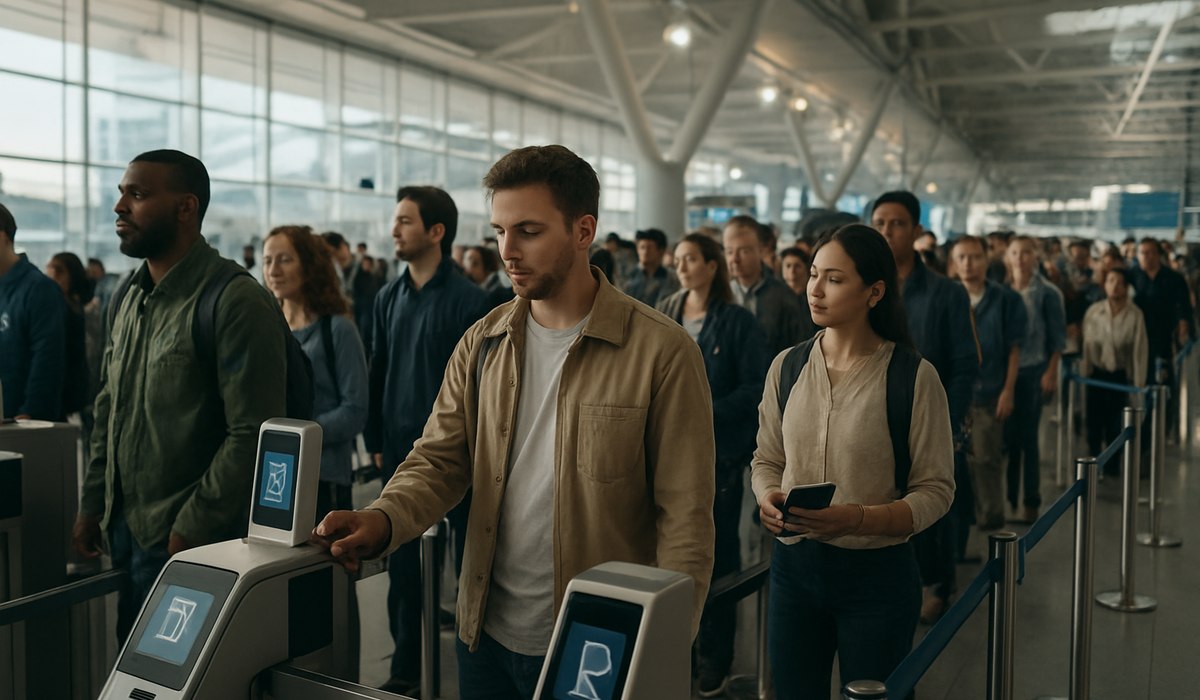
Image generated by AI
Lede
Portugal has fully reactivated the European Union's Entry/Exit System (EES), creating significant disruptions for UK cruise passengers disembarking at major Portuguese ports. Border queues at Lisbon, Porto, Faro, and Madeira are stretching to two hours during peak times as biometric processing systems struggle with volume. The situation reflects wider chaos across Spain, France, the Netherlands, and Switzerland as the bloc's new biometric screening infrastructure matures amid the approaching summer 2026 cruise season.
Portugal's EES Fully Operational After Holiday Pause
Portugal suspended most Entry/Exit System operations during the 2025 holiday period after severe congestion clogged borders. The country has now resumed full activation following infrastructure upgrades and staff retraining at all major external border points. Lisbon Airport, Porto, Faro, and Madeira airports are now processing biometric data for all third-country nationals—including UK citizens—on a routine basis rather than experimental schedule.
The phased rollout included initial live tests that produced multi-hour lines in mid and late 2025, followed by a suspension period to recalibrate equipment and personnel. Portuguese authorities deployed additional automated kiosks and reinforced network capacity before relaunch in late March 2026. Local media reports confirm the system is now collecting fingerprints and facial images from all non-EU visitors at entry points. However, technical glitches remain frequent during peak passenger movements, particularly mornings and evenings when cruise ships dock.
Mixed Results: 20 Minutes to Two Hours at Border Control
Travel data reveals inconsistent processing times across Portugal's cruise ports. During off-peak hours, some passengers clear biometric checks within 20 to 30 minutes. During peak arrival windows—typically 6:00 to 10:00 AM and 5:00 to 8:00 PM—border officers report delays approaching two hours for individual travelers.
The variance stems from several factors. Each passenger must provide individual biometric data; no batch processing is possible even for cruise groups. Minor errors at self-service kiosks, passenger anxiety during facial scanning, or software timeouts cascade into cumulative delays for everyone in the queue. A single cruise ship disembarkation can involve 3,000 to 5,000 passengers, many unfamiliar with the new biometric procedures. Industry groups monitoring the rollout suggest that processing speed will improve gradually as travelers and staff become more familiar with protocols, but summer 2026 peak season will be the true stress test for Portuguese infrastructure.
Infrastructure Upgrades and Summer Season Concerns
Portugal's border authorities have prioritized network capacity reinforcement, deployment of additional automatic gates, and real-time monitoring of airport and port passenger flows. Despite these investments, officials acknowledge that the summer 2026 holiday surge presents an unprecedented challenge. UK cruise bookings to Portugal are projected to increase 18-22% year-over-year, coinciding with school holidays across Northern Europe.
The Entry/Exit System itself is functioning as designed—recording passport details, biometric identifiers, and crossing timestamps into an EU-wide database intended to enforce the 90-day-in-180-day visa waiver limit for UK visitors. However, the sheer volume of first-time EES registrations during summer months will likely overwhelm even upgraded infrastructure. Industry briefings from European travel associations consistently warn that first-time entries are slowest, as passengers unfamiliar with kiosk procedures sometimes require staff assistance or multiple attempts.
Related guidance from Cruise Critic recommends that UK cruise passengers plan arrival times 3-4 hours before departure to account for extended port processing.
What UK Cruise Travelers Should Expect
Passengers on UK cruise itineraries calling at Portuguese ports should prepare for longer-than-usual disembarkation procedures. The Entry/Exit System requires each traveler to provide biometric data—fingerprints and facial photograph—at automated kiosks or through manual processing.
First-time entry into the Schengen zone is typically slowest, as the system creates individual EES records for each passenger. Subsequent trips should theoretically be faster once data is already registered. However, technical issues, staff unavailability, and high passenger volumes mean that theoretical speed improvements may not materialize during peak season.
Families traveling together may check in at the same kiosk but each family member still requires separate biometric capture and processing. Children, elderly passengers, and those with mobility challenges may face additional delays if staff assistance is needed. Some cruise lines are now recommending passengers arrive 4-5 hours before departure rather than the traditional 2-3 hours, acknowledging that border processing has become a significant variable in cruise scheduling.
Cruise Itinerary at a Glance
| Aspect | Details |
|---|---|
| Primary Port | Port of Lisbon (Alcântara Terminal) |
| Secondary Ports | Porto, Faro, Madeira, Azores |
| EES Status (April 2026) | Fully operational, mandatory for UK nationals |
| Typical Disembarkation Wait | 20 minutes to 2 hours depending on time of day |
| Biometric Requirements | Fingerprints (all 10 digits), facial photograph |
| Data Retention Period | EU-wide database, 3 years |
| Peak Season Risk | June-August 2026, additional 20-40 minute delays expected |
| Recommended Pre-Arrival Buffer | 4-5 hours before ship departure |
| System Launch Date | October 2025 (EU-wide), March 2026 (Portugal full activation) |
What This Means for Travelers
UK cruise passengers heading to Portugal should take the following steps to minimize disruption:
-
Arrive early: Plan to be at the port 4-5 hours before departure rather than the traditional 2-3 hours, especially during June-August 2026.
-
Verify passport validity: Ensure your passport is valid for the full duration of your trip plus six months. Damaged passports may fail biometric scanning and require manual intervention.
-
Prepare biometric data: Remove glasses, hats, and head coverings before facial scanning. Clean hands before fingerprint capture to avoid kiosk rejection.
-
Travel with family documents: If traveling with minors, bring birth certificates or custody documentation, as staff may request proof during slower periods.
-
Check with your cruise line: Contact your operator 4-6 weeks before departure for updated guidance on Portugal's port procedures and any schedule adjustments due to EES delays.
-
Budget extra time for shore excursions: If you're returning to the ship, plan return times conservatively; delayed disembarkation may compress time available for port exploration.
-
Monitor official updates: Follow European Commission Border Management announcements and your cruise line's website for real-time EES status changes.
FAQ
Q: Is the Entry/Exit System mandatory for UK cruise passengers traveling to Portugal?
A: Yes. The EES is now mandatory for all third-country nationals, including UK citizens, at all EU external borders. Portugal fully activated the system in March 2026. There is no exemption for cruise passengers, tour groups, or visa waiver holders.
Q: How long will my biometric data remain in the EES database?
A: Biometric and passport data collected by the Entry/Exit System is retained in the EU-wide database for three years. This allows faster processing on subsequent visits without requiring a new biometric capture, though system checks may still take several minutes.
Q: Can I provide biometric data in advance to speed up border processing?
A: No. Biometric capture must occur in person
Disclaimer
This article is for informational and educational purposes only. It does not constitute legal, financial, or professional advice. While we strive to provide accurate and up-to-date information, travel policies, regulations, and conditions change rapidly. Always verify information with official sources before making travel decisions. Nomad Lawyer makes no representations about the accuracy, reliability, completeness, or suitability of the information provided. Readers should consult qualified professionals for advice specific to their circumstances. The views expressed in this article are those of the author and do not necessarily reflect the views of Nomad Lawyer.
Preeti Gunjan
Contributor & Community Manager
A passionate traveller and community builder. Preeti helps grow the Nomad Lawyer community, fostering engagement and bringing the reader experience to life.
Learn more about our team →