
Pilots Force True: US Air Force Highest Ranks Earn Less Than Airline Captains
US Air Force pilots with the highest ranks earn significantly less than commercial airline captains in 2026, revealing a stark military-civilian compensation gap affecting recruitment and retention.

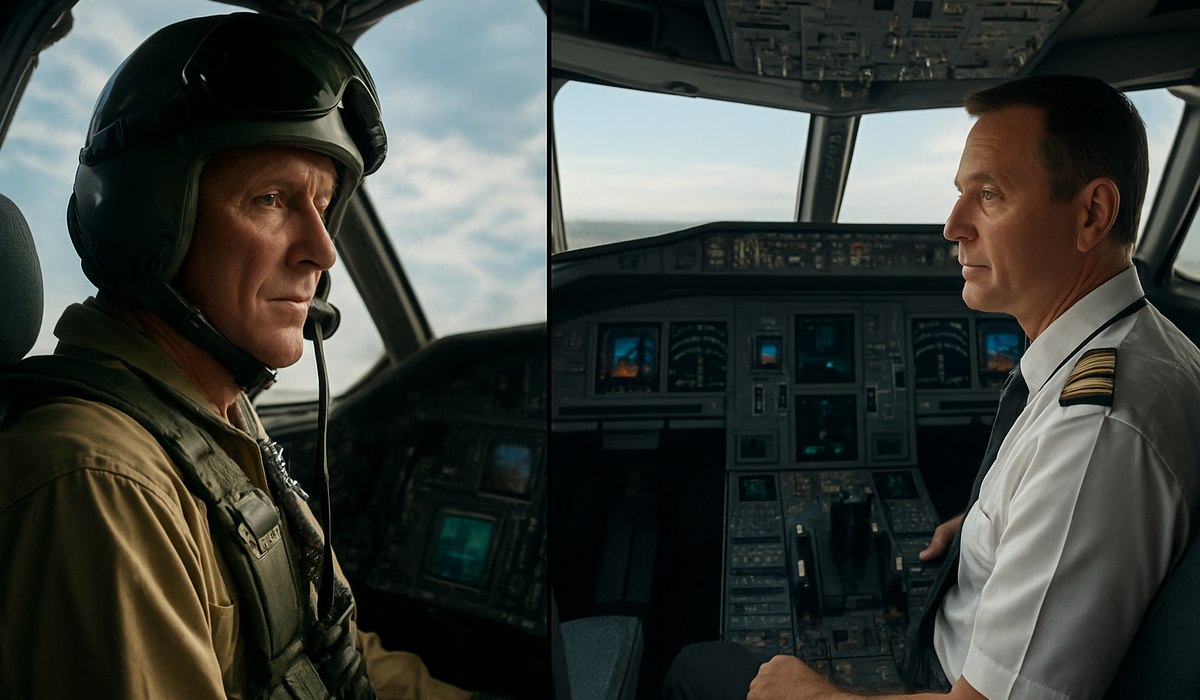
Image generated by AI
America's Top Military Pilots Earn Less Than Commercial Captains
The United States Air Force's highest-ranking pilots face a sobering financial reality in 2026: officers at the O-7 through O-10 levels earn dramatically less than their civilian counterparts flying widebody aircraft for major carriers. This significant compensation gap extends even to senior Air Force leadership, including the Chief of Staff. While military basic pay caps at approximately $19,000 monthly for these elite ranks, commercial airline captains commanding large international aircraft pocket annual salaries between $383,400 and $485,500—more than double what the Air Force's most experienced pilots take home. This disparity raises critical questions about military retention, pilot recruitment, and the long-term health of America's defense aviation capabilities.
The Military-Commercial Pay Disparity
The compensation gap between military and civilian aviation has reached unprecedented levels. An O-10 Air Force general earns roughly $228,000 annually in base pay alone, yet this figure pales beside what major airline captains command. When examining pilots force true earnings structures, the contrast becomes even starker when considering total compensation packages.
Military officers receive various allowances and incentive pay. However, even with aviation bonuses included, senior Air Force pilots remain substantially behind their commercial peers. The gap isn't merely a few thousand dollars—it represents a fundamental misalignment between military compensation standards and industry market rates.
This disparity has created workforce challenges across all branches of military aviation. Experienced pilots, after years of service, increasingly transition to commercial airlines seeking better financial security and improved lifestyle stability. The brain drain affects operational readiness and training capacity throughout the Air Force.
Breaking Down Air Force Officer Compensation
Military compensation structures appear complex on paper but ultimately disadvantage senior aviation officers. Base pay represents only one component of the total package. Officers also receive Basic Allowance for Housing (BAH), Basic Allowance for Subsistence (BAS), and various flight incentive pays. Flight pay adds approximately $840 monthly for senior pilots, yet this addition scarcely narrows the gap with commercial counterparts.
The Chief of Staff of the Air Force, despite commanding the entire service branch, receives identical base pay to other O-10 officers. Retirement benefits, while valuable, follow a different calculation methodology than private-sector pensions. Military officers retiring after 20 years receive 50% of base pay as lifetime pensions, with incremental increases for each additional year served.
However, retirement benefits don't offset the immediate financial disadvantage during active service years. Career military pilots forego substantial annual earnings during their peak earning potential—years when civilian pilots are maximizing income and building retirement savings in supplemental accounts.
What Commercial Airline Pilots Actually Earn
Major carriers structure captain compensation around aircraft type, international route authority, and seniority within the airline system. Widebody aircraft captains, typically flying international long-haul routes, command the highest pay scales across the industry.
At Delta Air Lines, captain compensation packages demonstrate the scale of commercial aviation salaries. Widebody captains earn approximately $383,400 to $485,500 in annual salary, with some senior captains exceeding $500,000 in years with premium bid assignments. Beginning in 2026, Delta implemented an 18% direct retirement contribution for all pilot groups, further enhancing total compensation value.
United Airlines and American Airlines maintain comparable pay structures, with union contracts ensuring transparent seniority-based advancement. First Officer pay ranges from $70,000 to $160,000, with progression to captain rank typically occurring after 7-12 years of service.
International routes command premium pay premiums beyond domestic flying. Overnight per diem allowances, international layover bonuses, and complex aircraft certifications add thousands annually to widebody captain earnings. Some captains, particularly those holding training and check airman positions, exceed industry standard rates through specialized instructor compensation.
Why The Gap Exists and What It Means
The disparity stems from fundamentally different organizational structures. Commercial airlines operate as competitive businesses requiring market-rate compensation to recruit and retain talent. Military compensation follows government pay grades, with congressionally-mandated pay schedules that apply uniformly across all services and specialties.
The Air Force cannot unilaterally increase officer pay without congressional approval. Budget constraints, competing military needs, and tradition have created compensation formulas that haven't kept pace with private-sector growth. When the military established current pay grades, the private aviation industry was substantially smaller. Modern commercial aviation has exponentially grown, creating unprecedented demand for experienced pilots.
Pilots force true economic realities are reshaping military aviation. Retention rates among experienced Air Force pilots have declined noticeably as officers approach their 20-year retirement eligibility window. The incentive to transition to commercial aviation becomes increasingly compelling when facing a potential $250,000+ annual earnings difference.
This trend threatens Air Force operational capacity. Training new pilots requires substantial investment. The loss of experienced pilots mid-career represents a drain of institutional knowledge, mentoring capability, and mission readiness. Addressing this compensation gap may require legislative action to modernize military pay structures for specialized technical fields.
Compensation Comparison Data Table
| Position | Annual Base Pay | Additional Compensation | Total Annual Range |
|---|---|---|---|
| Air Force O-10 General | $228,000 | Flight pay, allowances | $240,000–$255,000 |
| Air Force O-7 Brigadier General | $179,500 | Flight pay, allowances | $190,000–$205,000 |
| Commercial Widebody Captain (Delta) | $383,400–$485,500 | Retirement contribution (18%), per diem | $450,000–$575,000+ |
| Commercial Widebody Captain (United) | $375,000–$475,000 | Pension contributions, bonuses | $440,000–$550,000+ |
| Commercial Narrowbody Captain | $225,000–$295,000 | Allowances, trip bonuses | $260,000–$340,000 |
| Air Force Fighter Pilot (O-4 Major) | $89,000 | Flight pay, allowances | $95,000–$105,000 |
What This Means for Travelers
While compensation structures primarily concern pilots and military leadership, travelers should understand how these dynamics affect aviation services and security.
Numbered Actionable Takeaways:
-
Anticipate potential crew scheduling impacts. As military pilots transition to commercial aviation, airlines may face temporary capacity constraints. Book flights during off-peak travel periods when possible to access better crew availability and service consistency.
-
Monitor airline operational reliability. Airlines competing aggressively for experienced Air Force pilots may adjust staffing models and training programs. Check FlightAware for real-time flight status and historical reliability metrics before major trips.
-
Understand safety implications. While military pilots receive excellent training, the exodus may affect certain military airlift services and emergency aviation support. Verify alternative transportation options for time-sensitive travel, particularly to remote locations.
-
Stay informed on military aviation policy. Congressional action addressing military pilot compensation could influence commercial aviation labor markets. Follow aviation industry news from credible sources to understand potential service disruptions.
-
Access FAA resources for consumer information. The FAA provides extensive passenger rights information, safety data, and aviation expertise. Understanding regulatory frameworks helps travelers make informed decisions about flight selection.
-
Reference Department of Transportation guidelines. The US DOT maintains detailed passenger protection regulations, compensation requirements for cancellations and delays, and airline accountability standards you should understand before travel.
Frequently Asked Questions
Do military pilots earn any benefits that commercial pilots don't receive?
Military pilots receive healthcare coverage, housing allowances, and generous pension benefits after 20 years of service. However, these de
Disclaimer
This article is for informational and educational purposes only. It does not constitute legal, financial, or professional advice. While we strive to provide accurate and up-to-date information, travel policies, regulations, and conditions change rapidly. Always verify information with official sources before making travel decisions. Nomad Lawyer makes no representations about the accuracy, reliability, completeness, or suitability of the information provided. Readers should consult qualified professionals for advice specific to their circumstances. The views expressed in this article are those of the author and do not necessarily reflect the views of Nomad Lawyer.
Raushan Kumar
Founder & Lead Developer
Full-stack developer with 11+ years of experience and a passionate traveller. Raushan built Nomad Lawyer from the ground up with a vision to create the best travel and law experience on the web.
Learn more about our team →