
Bright Light Hazard Forces FAA Safety Investigation at Reagan National Airport
Breaking airline news and aviation industry updates for 2026.

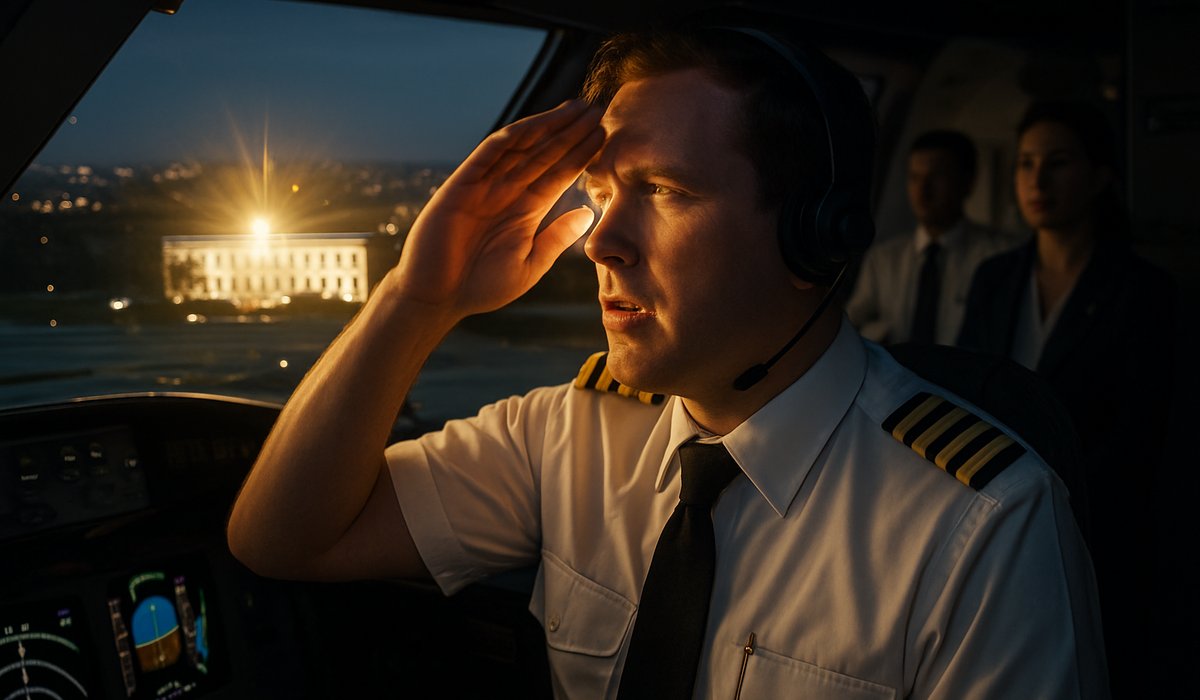
Image generated by AI
Bright Light Hazard Forces FAA Safety Investigation at Reagan National Airport
Commercial pilot reports near-blinding interference during critical landing phase after White House sporting event lighting
Dangerous Interference During Descent
A commercial airline pilot has escalated safety concerns to the Federal Aviation Administration following a harrowing approach to Ronald Reagan Washington National Airport, alleging that intense lighting from a White House-hosted sporting event created dangerous visibility conditions during one of aviation's most critical phases of flight.
The pilot's formal safety report, submitted through FAA channels, describes an extraordinary lighting interference incident—one significantly more severe than typical laser disruption events that have plagued the aviation industry for years. According to the account, the illumination was "ten times worse" than any previous laser encounter the experienced pilot had encountered throughout their career, striking precisely as the aircraft entered its final descent corridor toward the runway.
Safety Concerns Mount in Nation's Capital
The incident raises alarming questions about coordination between federal agencies managing airspace safety and event planning at high-profile venues. Ronald Reagan Washington National Airport operates one of the most tightly controlled airspace corridors in the United States, serving the nation's capital with heightened security and safety protocols. Commercial traffic into DCA follows established approach procedures that demand unobstructed pilot vision during landing sequences—the phase where pilot workload is highest and reaction time margins narrowest.
The powerful lighting system, deployed for the sporting event at the White House grounds, apparently created an unexpected hazard within active flight corridors. Aviation safety experts emphasize that any interference affecting pilot vision during approach phases represents a genuine threat to aircraft operations and passenger safety.
FAA Response and Broader Implications
The Federal Aviation Administration now faces pressure to investigate the incident and establish clearer protocols preventing similar occurrences at future high-profile events near major airports. The agency has long struggled with laser pointer incidents disrupting aviation operations nationwide, but this case involves an entirely different challenge—unintentional but powerful illumination from legitimate ground-based activity.
Industry observers note this incident underscores vulnerabilities in event coordination procedures affecting airspace. As Washington D.C. hosts high-visibility events with increasing frequency, aviation authorities must balance national priorities with the non-negotiable safety requirements of commercial flight operations.
The pilot's decision to file the formal safety report demonstrates the aviation community's commitment to transparency regarding hazards that could jeopardize flight safety, regardless of the source or the status of the event organizers.
Frequently Asked Questions
What caused the pilot visibility hazard at Reagan National Airport? A commercial pilot reported near-blinding interference from powerful lighting systems deployed for a White House-hosted sporting event during final approach procedures, creating visibility conditions the pilot described as significantly worse than typical laser disruption incidents.
Why does pilot visibility during approach matter so critically? The approach and landing phase represents aviation's highest-risk period, requiring pilots to maintain visual reference with the runway while managing multiple aircraft systems. Any vision interference during this phase substantially increases operational hazard levels.
How does this incident differ from typical laser disruption events? Unlike laser incidents caused by individuals pointing handheld devices at aircraft, this hazard originated from legitimate ground-based event lighting that unexpectedly intersected active flight corridors, raising questions about coordination between event planners and aviation authorities.
What regulatory response might the FAA implement? The FAA investigation could result in new protocols requiring advance notification of major events near major airports and potential restrictions on lighting systems during peak flight operations hours.
How common are visibility hazards affecting commercial aviation operations? While laser incidents number in the hundreds annually, unintentional interference from ground-based lighting systems near major airports remains poorly documented, suggesting this incident may expose a previously unrecognized aviation safety gap.
Related Travel Guides
-
Cam Ranh Airport Ranks Top 10 Cleanest: Vietnam's Tourism Gateway Shines in 2026
-
Travel Flights John F. Kennedy: 14 Cancellations, Hundreds Delayed
External Resources
Disclaimer
This article is for informational and educational purposes only. It does not constitute legal, financial, or professional advice. While we strive to provide accurate and up-to-date information, travel policies, regulations, and conditions change rapidly. Always verify information with official sources before making travel decisions. Nomad Lawyer makes no representations about the accuracy, reliability, completeness, or suitability of the information provided. Readers should consult qualified professionals for advice specific to their circumstances. The views expressed in this article are those of the author and do not necessarily reflect the views of Nomad Lawyer.
Kunal K Choudhary
Co-Founder & Contributor
A passionate traveller and tech enthusiast. Kunal contributes to the vision and growth of Nomad Lawyer, bringing fresh perspectives and driving the community forward.
Learn more about our team →