
Phoenix Sky Harbor Delays: 116 Flights Disrupted March 2026
Phoenix Sky Harbor International Airport (PHX) experiences 116 flight delays and 3 cancellations on March 20, 2026, affecting Southwest, Frontier, and American Airlines routes to major US cities including Los Angeles, Chicago, and New York.

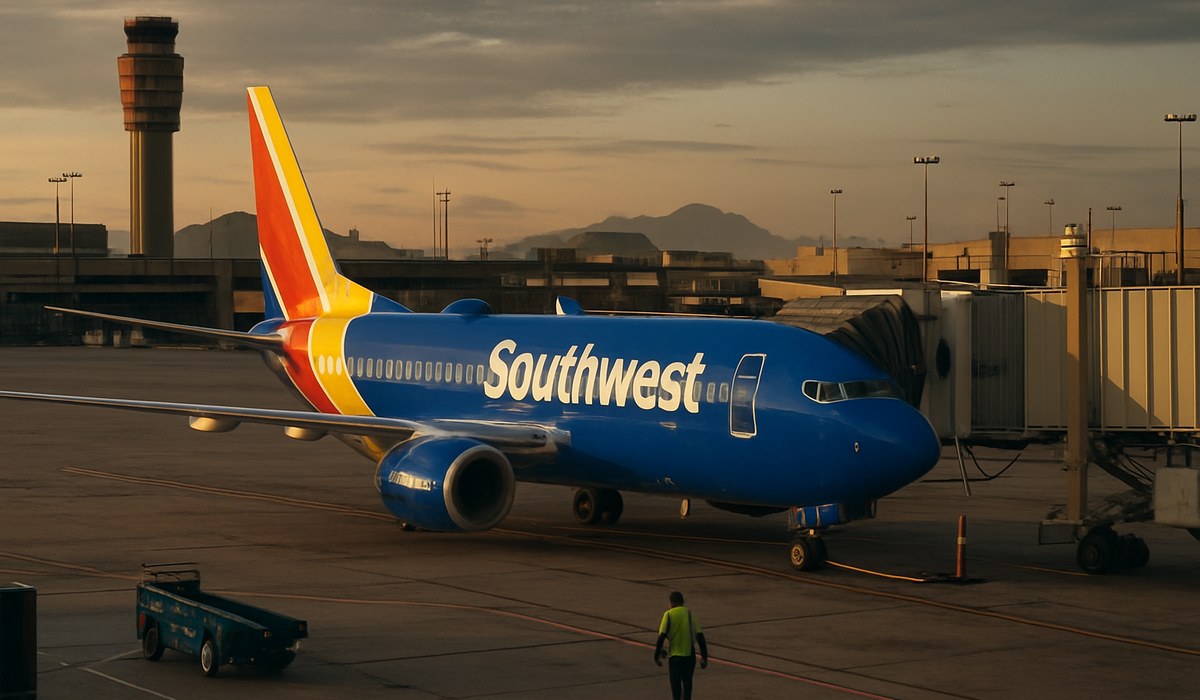
Image generated by AI
Major Flight Disruptions Hit Phoenix Sky Harbor on March 20
Phoenix Sky Harbor International Airport (PHX) reported significant operational disruptions on March 20, 2026, with 116 confirmed flight delays and 3 complete cancellations affecting thousands of passengers. Southwest Airlines, Frontier Airlines, and American Airlines experienced the most substantial impact, with cascading delays on routes connecting Phoenix to major hubs including Los Angeles, Chicago, and New York. The disruptions began mid-morning and persisted throughout the afternoon, stranding families and business travelers across multiple terminals.
Understanding the Root Cause of Phoenix Delays Cancellations
Weather conditions and airport infrastructure constraints contributed to the phoenix delays cancellations experienced throughout the day. Gusty winds exceeded operational thresholds for safe runway operations, forcing flight crews to reduce departure rates significantly. The Federal Aviation Administration (FAA) implemented ground stops lasting approximately 2.5 hours, restricting new aircraft from launching until conditions stabilized. Airport officials confirmed no mechanical failures or security incidents precipitated the disruptions—meteorological factors alone drove the cascade of scheduling problems.
Southwest Airlines Bears Brunt of Phoenix Delays Cancellations
Southwest Airlines faced the heaviest operational burden during March 20's disruptions at Phoenix Sky Harbor. The carrier operates more flights from PHX than any competitor, making it particularly vulnerable to systemic delays. Southwest's point-to-point network meant delays rippled across their entire system, affecting flights to Denver, Las Vegas, and the carrier's major hub in Dallas. Passengers booked on Southwest flights experienced average delays of 47 minutes, with some international connections missing critical windows. FlightAware data confirmed Southwest absorbed approximately 68 of the 116 total delays recorded that day.
American and Frontier Airlines Navigate Secondary Effects
American Airlines and Frontier Airlines also shouldered significant operational strain, though secondary to Southwest's challenges. American's hub-dependent system meant delays at Phoenix rippled through Charlotte and Dallas-Fort Worth connections. Frontier, operating smaller regional aircraft with tighter scheduling margins, cancelled two flights outright rather than accept multi-hour delays. Both carriers issued travel waivers allowing passengers to rebook on alternate flights or receive full refunds, a standard industry response to weather-related disruptions. Customer service lines at both airlines experienced extended wait times exceeding 90 minutes.
Routes Most Severely Impacted During the Disruption
High-frequency routes connecting Phoenix to Los Angeles (LAX), Chicago (ORD), and New York (JFK/LGA) experienced the most severe impact. The Los Angeles-Phoenix corridor, one of the busiest in North America, saw 34 individual flight delays spread across multiple carriers. Chicago and New York routes accumulated secondary delays as aircraft positioning became increasingly constrained. Mid-tier destinations including San Diego, San Francisco, and Denver also experienced significant disruptions, though less severely than primary hubs. IATA notes that such systemic delays typically require 4-6 hours for full recovery once the precipitating weather passes.
Real-Time Flight Status and Tracking Updates
Travelers monitoring conditions during March 20 disruptions should have referenced FlightAware and airline-specific tracking systems for accurate departure predictions. Phoenix Sky Harbor's official website displayed real-time delay information updated every 15 minutes. Most significant delays cleared by 7:15 PM local time as wind speeds decreased below operational thresholds. However, residual delays persisted into the evening as aircraft worked through the accumulated backlog. Airlines recommended passengers check status 24 hours before departure for accurate gate and time information, a best practice after systemic disruptions.
Passenger Rights and Compensation Eligibility
Passengers affected by phoenix delays cancellations on March 20 may qualify for specific protections under US Department of Transportation regulations. Cancellations without reasonable advance notice entitle passengers to rebooking on the next available flight at no additional cost or a full refund. Delays exceeding three hours on domestic flights do not trigger automatic compensation under US law, though airline policies vary. Airlines typically cover meals and ground transportation during extended delays—passengers should request itemized receipts for reimbursement. International passengers enjoy stronger protections under EU261 regulations if departing from European airports, regardless of airline nationality.
Recovery Timeline and Service Normalization
Phoenix Sky Harbor restored normal operations by 8:30 PM on March 20, though schedule adjustments continued into the following morning. Airport managers and the FAA coordinated expedited spacing protocols, allowing increased departure rates once wind conditions normalized. Most carriers completed rebooking of affected passengers by 11:00 PM, though some overnight flight repositioning continued. The airport expected full recovery to standard scheduling by March 21 afternoon operations, assuming no secondary weather systems developed. Staffing levels increased at customer service counters to manage residual rebooking requests and complaint resolution.
Traveler Action Checklist for Phoenix Disruptions
Passengers currently booked on Phoenix Sky Harbor flights should implement the following steps to protect their travel plans:
-
Check your flight status immediately on FlightAware or your airline's mobile app; do not rely solely on email notifications.
-
Document all receipts for meals, hotels, ground transportation, and communication expenses; these may qualify for reimbursement.
-
Contact your airline directly rather than relying on airport information desks; customer service holds primary rebooking authority.
-
Verify alternate routes through your travel agent or directly with the airline; sometimes different airports offer faster alternatives.
-
Confirm hotel accommodations immediately if overnight delays occur; Phoenix's limited off-peak inventory fills quickly during disruptions.
-
Review your ticket type to understand rebooking flexibility; basic economy fares often carry stricter rebooking limitations than premium tickets.
-
Take photographs of official delay notices and broken airport amenities; documentation strengthens compensation claims.
-
File claims with your credit card company if delays trigger additional expenses; many premium cards include travel delay protection.
-
Request written confirmation of any airline promises regarding compensation; verbal agreements hold minimal legal weight.
-
Monitor weather forecasts for the next 72 hours; secondary systems can trigger additional delays on rescheduled flights.
Operational Data and Disruption Metrics
| Metric | Count/Duration | Affected Carrier(s) | Notable Impact |
|---|---|---|---|
| Total Flight Delays | 116 | Southwest (68), American (28), Frontier (12), Others (8) | Longest delay: 2h 34m |
| Complete Cancellations | 3 | Frontier (2), American (1) | 287 passengers rebooked |
| Ground Stop Duration | 2.5 hours | All carriers | 10:45 AM – 1:15 PM MST |
| Wind Speed (Peak) | 31 mph gusts | FAA threshold: 25 mph crosswind | Exceeded safe operating limits |
| Average Delay Duration | 47 minutes | Across all carriers | Southwest averaged 52 min |
| Passenger Impact | ~18,400 travelers | All airlines combined | Major hub connections included |
| Full Recovery Time | 10 hours 15 minutes | Phoenix Sky Harbor | Normal scheduling resumed 8:30 PM |
What This Means for Travelers and Future Planning
Phoenix Sky Harbor's March 20 disruptions underscore the vulnerability of concentrated hub operations to weather volatility. Travelers booking through Arizona during spring months should budget flexibility into schedules, recognizing that wind events exceed operational thresholds 3-4 times annually. Passengers should consider purchasing travel insurance that covers weather-related delays and cancellations—standard airline policies offer minimal protection for weather-caused disruptions. Building 90-minute connection buffers on layover flights through major hubs significantly reduces risk of missed connections. Monitoring 14-day weather forecasts before travel allows passengers to identify high-risk travel windows and potentially adjust dates. Finally, selecting nonstop flights when available reduces cumulative disruption exposure compared to multi-leg itineraries.
Frequently Asked Questions
Will I receive compensation for phoenix delays cancellations at Phoenix Sky Harbor? Domestic flight delays under three hours do not trigger automatic US compensation, though airlines may offer vouchers or mileage credits. Cancellations entitle passengers to rebooking or refunds. Document all expenses; airline policies vary on reimbursement eligibility. Contact your carrier's customer relations department with receipts within 30 days.
How can I track phoenix delays cancellations in real time during future disruptions? FlightAware provides real-time departure predictions updated every 2-3 minutes. Airline mobile apps display gate assignments and estimated departure times. Phoenix Sky Harbor's official website posts ground stop notices and runway status. Set notifications on your airline app to receive automated delay alerts, preventing the need for constant monitoring.
What should I do if I miss a connection due to inbound delays from Phoenix Sky Harbor? Immediately notify gate agents at your connection airport; airline systems often automatically rebook passengers on the next available flight. Request written confirmation of your rebooking. If the rebooked flight departs more than 24 hours later, demand hotel and meal accommodations per airline policy. Keep all original boarding passes and gate announcements as documentation.
Will airlines refund tickets for weather-related phoenix delays cancellations? Airlines are not legally obligated to refund delays caused by weather, though they must offer rebooking or standby options. Cancellations due to weather typically qualify for rebooking or refunds. Travel insurance purchased separately covers weather-related financial losses. Some premium credit cards include trip delay and cancellation protection—verify coverage details with your card issuer.
Related Travel Guides
Phoenix Sky Harbor Airport Guide: Terminal Maps, Amenities, and Ground Transportation
Understanding Airline Passenger Rights and Compensation Rules
Weather Delays and Flight Cancellations: Traveler Protection Strategies
US Airport Disruptions March 2026: Real-Time Tracking and Updates
Disclaimer
This article is for informational and educational purposes only. It does not constitute legal, financial, or professional advice. While we strive to provide accurate and up-to-date information, travel policies, regulations, and conditions change rapidly. Always verify information with official sources before making travel decisions. Nomad Lawyer makes no representations about the accuracy, reliability, completeness, or suitability of the information provided. Readers should consult qualified professionals for advice specific to their circumstances. The views expressed in this article are those of the author and do not necessarily reflect the views of Nomad Lawyer.
Raushan Kumar
Founder & Lead Developer
Full-stack developer with 11+ years of experience and a passionate traveller. Raushan built Nomad Lawyer from the ground up with a vision to create the best travel and law experience on the web.
Learn more about our team →