
Philippines Visayas Red Alert 2026: Boracay, Cebu and Bohol Hotels on High Power-Supply Watch
A critical electricity mismatch in the Visayas region has triggered Red Alerts, putting luxury resorts and urban hotels in Boracay, Cebu, and Bohol on high alert for potential brownouts.

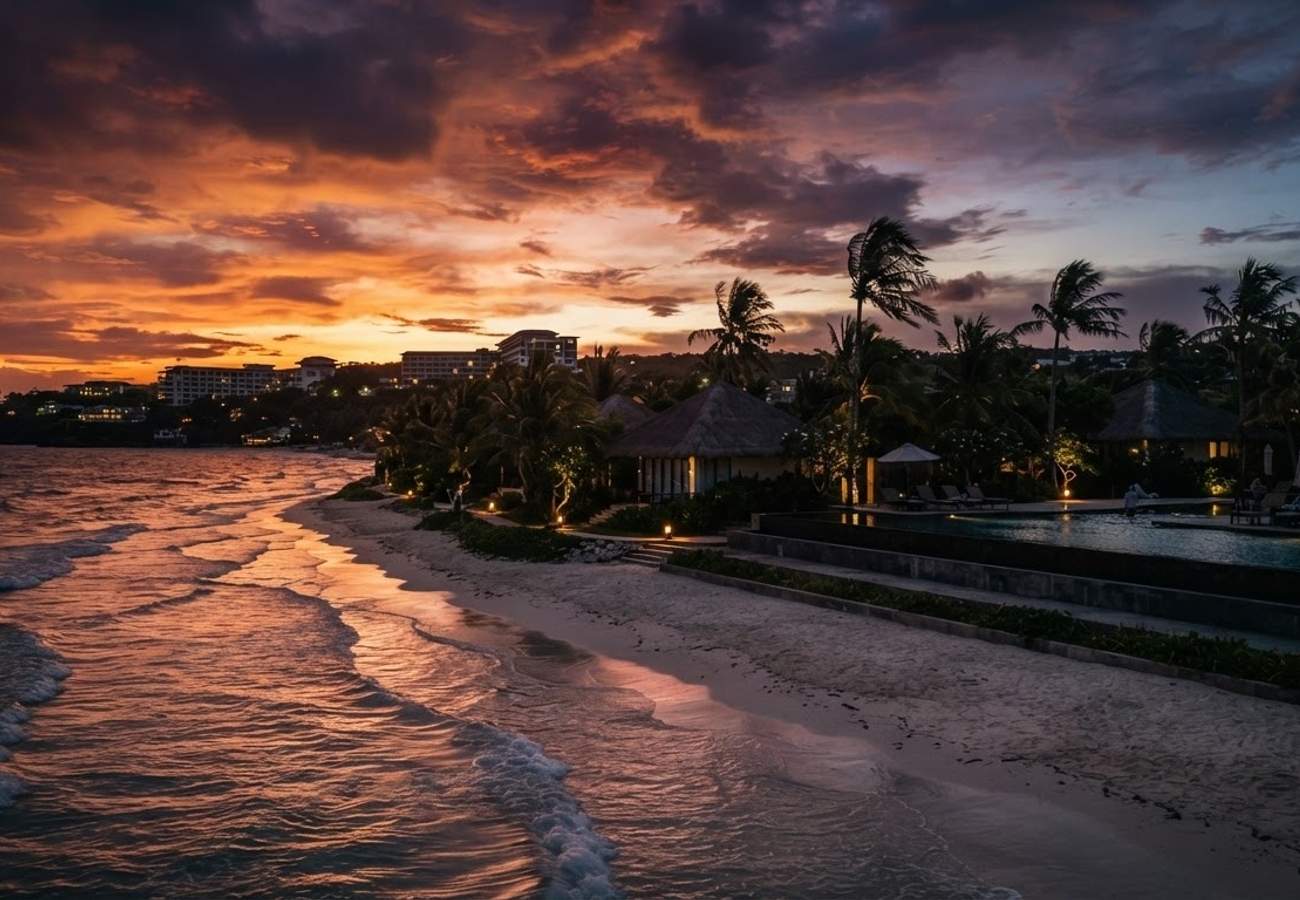
Image generated by AI
A critical mismatch between electricity generation and peak demand has placed the Visayas grid under a Red Alert, forcing hotels across Boracay, Cebu, and Bohol to activate contingency plans to avoid guest disruption.
The Energy Squeeze in the Visayas
On August 17, 2026, the National Grid Corporation of the Philippines (NGCP) issued a series of urgent alerts as the regional power supply struggled to keep pace with evening demand. The grid entered a yellow alert from 4 p.m. to 5 p.m., escalated to a severe red alert from 5 p.m. to 8 p.m., and returned to a yellow alert between 8 p.m. and 9 p.m.
The technical deficit is stark. According to data from the Philippine News Agency, available capacity stood at approximately 2,334 megawatts (MW), while the expected peak demand reached roughly 2,413 MW. This gap creates an immediate risk of instability during the hours when tourism activity is at its highest.
For the visitor, a red alert does not signify a guaranteed blackout, but it does mean the system is operating without a safety margin. In high-density tourism hubs like Boracay, where the evening economy drives revenue through dining, nightlife, and resort services, this instability puts immense pressure on hotel operations.
Infrastructure Failure and Forced Outages
The current crisis is not a sudden fluke but the result of systemic infrastructure decay. The primary catalysts for the August 17 shortage are the forced outages of Units 1 and 2 of Therma Visayas Inc. This is compounded by a reduction in electricity imports from Mindanao, where several coal-fired plants are currently unavailable.
The scale of the instability is revealed in the NGCP's broader reporting:
- 6 power plants in the Visayas grid were unavailable during August alone.
- 19 plants remain on forced outage, some dating back to 2021.
- 14 plants are operating at derated capacities.
In total, these failures account for approximately 810.3 MW of lost capacity. This highlights a critical vulnerability: while a luxury resort can install a backup generator, it cannot fix a regional grid failure.
Regional Impact: From Luxury Sands to Urban Hubs
Boracay: The Evening Peak Risk
Boracay's economy shifts gears at 5 p.m. As guests move from the beach to their rooms and restaurants, demand for air-conditioning, refrigeration, and lighting spikes. Because the red alert coincides exactly with this window (5 p.m. to 8 p.m.), the island's smaller boutique hotels and independent cafes are more exposed than the large-scale resorts with industrial-grade backup power.
Cebu: The Business and Gateway Nexus
Unlike the leisure-centric Boracay, Cebu serves as a corporate hub and a primary transit point. Power instability here affects not just guest rooms, but conference centers, airport logistics, and large-scale cooling systems essential for business travel. The reliance on Therma Visayas units makes Cebu a focal point of the current energy stress.
Bohol and Panglao: The Resort Dimension
In Panglao, electricity is the invisible backbone of the luxury experience. From water pumps and swimming pool filtration to security systems and Wi-Fi, the high expectations of international travelers make any power fluctuation a threat to destination competitiveness.
Cultural & Environmental Value: The Shift Toward Resilience
This crisis underscores a growing trend in Southeast Asian tourism: the move toward "Infrastructure Resilience." For the traveler, the real impact is the realization that luxury is dependent on stable energy. There is an increasing push from regional conservation bodies and tourism departments to move away from coal-dependency and toward decentralized, renewable energy grids.
By investing in solar-integrated resorts and micro-grids, the Visayas region can protect its cultural heritage sites and natural wonders from the volatility of a centralized, aging power grid. Supporting eco-resorts that utilize their own sustainable power sources directly contributes to the long-term viability of these islands.
Visitor Insider Tips
- Peak Hour Planning: During Red Alerts, avoid scheduling high-energy activities (like spa treatments or heavy laundry requests) between 5 p.m. and 9 p.m. to reduce pressure on hotel generators.
- Connectivity Backup: While hotels strive to keep Wi-Fi active, carry a local eSIM or portable hotspot, as regional cell towers can occasionally fluctuate during grid instability.
- Dining Strategy: Opt for "al fresco" or beach-side dining during peak alert hours; these venues often require less power than indoor, air-conditioned banquet halls.
- Booking Verification: Always ask your accommodation provider specifically about their "backup power capacity" for essential services (lifts and refrigeration) before checking in during the summer peak.
Tourism Outlook
The Visayas region remains open, and there have been no official announcements regarding airport or port closures. However, the recurring nature of these forced outages suggests that destination competitiveness will soon be measured by energy independence. The long-term trend will likely see a surge in "green-certified" hotels that can guarantee power stability through sustainable, on-site generation, reducing the reliance on the fragile NGCP grid.
The beauty of the islands is timeless, but the power grid is showing its age.
Related Travel Guides
Disclaimer
This article is for informational and educational purposes only. It does not constitute legal, financial, or professional advice. While we strive to provide accurate and up-to-date information, travel policies, regulations, and conditions change rapidly. Always verify information with official sources before making travel decisions. Nomad Lawyer makes no representations about the accuracy, reliability, completeness, or suitability of the information provided. Readers should consult qualified professionals for advice specific to their circumstances. The views expressed in this article are those of the author and do not necessarily reflect the views of Nomad Lawyer.
Kunal K Choudhary
Co-Founder & Contributor
A passionate traveller and tech enthusiast. Kunal contributes to the vision and growth of Nomad Lawyer, bringing fresh perspectives and driving the community forward.
Learn more about our team →