
Philippines Expands Camiguin Dive and Freedive Training Hub to Capture High-Value Asia Ocean Tourism 2026
The Philippines is transforming Camiguin into a premier dive training destination, implementing advanced scuba and freediving certifications to attract high-spend international travelers and boost regional maritime employment.

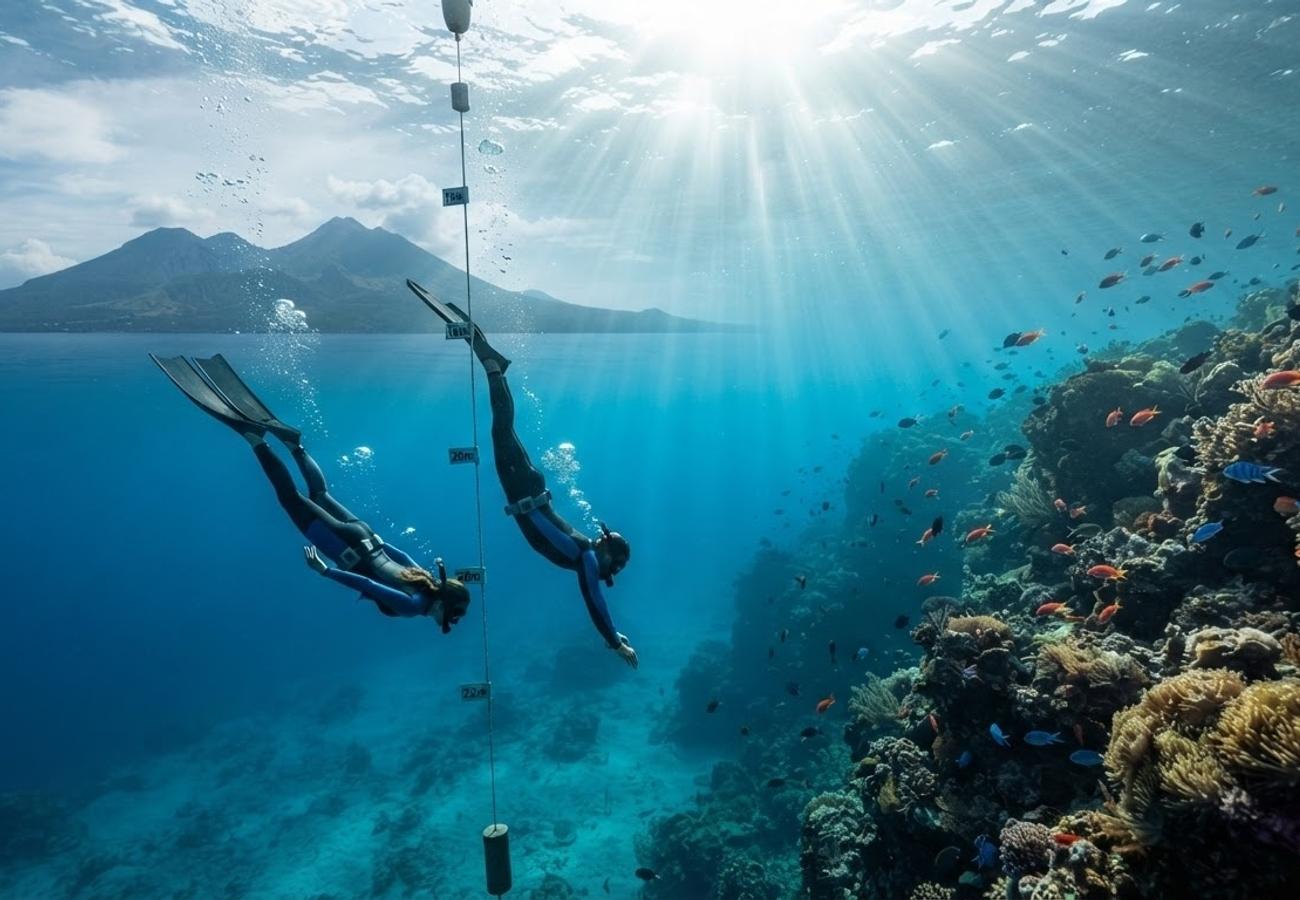
Image generated by AI
The Philippines is pivoting toward high-value maritime tourism by transforming Camiguin into a specialized hub for scuba and freediving education. This strategic shift targets skilled international visitors and professional divers, moving away from low-cost, short-term excursions toward long-term certification programs.
Strategic Shift to High-Value Dive Tourism
The Philippine government and regional stakeholders in Northern Mindanao are aggressively upgrading the service and technical standards of Camiguin to align with a surging demand for skills-based ocean travel in Asia. This initiative focuses on elevating the island from a leisure stop to a recognized educational center for underwater sports.
Hospitality and frontliner training, led by regional tourism offices, have been implemented to ensure international best practices in customer service. More significantly, the technical scope of dive operations has expanded. Local operators are now prioritizing structured scuba programs—ranging from beginner levels to multi-day open-water training—over traditional "fun dives." This transition is designed to attract a demographic of travelers who prioritize rigorous safety briefings, high-quality coaching, and environmental stewardship.
Emergence of a Freediving Education Hub
Camiguin is distinguishing itself within the Asia-Pacific region by establishing formal freediving academies. Unlike standard vacation packages, these centers now offer:
- Month-long instructor-level programs: Comprehensive courses designed to turn divers into certified professionals.
- Professional internships: Intensive development tracks for those seeking career transitions in breath-hold diving.
- Advanced line training: Technical instruction focusing on depth and safety protocols.
By fostering an ecosystem of resident trainers and safety support, Camiguin is positioning itself as a "training island" where divers can reside for extended periods. This model shifts the economic impact from transient tourism to a stable, residential-based education economy.
Regional Market Dynamics and Growth Projections
The expansion in Camiguin coincides with a broader acceleration in the Asia-Pacific dive market. Industry outlooks project double-digit annual growth for the region's diving sector through the end of the decade. This growth is fueled by rising disposable incomes and expanded air connectivity to coastal hubs.
The Philippines is currently competing with established maritime leaders, including Indonesia, Malaysia, and Thailand. To maintain a competitive edge, Camiguin is focusing on "information gain" for the traveler—offering transparent pricing, clear certification standards, and the ability to acquire recognized qualifications.
Dive Training and Certification Framework
| Program Type | Target Audience | Duration | Primary Focus |
|---|---|---|---|
| Open Water Scuba | Beginners / Tourists | Multi-day | Basic safety, buoyancy, certification |
| Advanced Scuba | Certified Divers | Variable | Specialized environments, depth training |
| Freediving Intensive | Enthusiasts | Short-term | Breath-hold technique, depth lines |
| Freediving Instructor | Aspiring Professionals | Month-long | Pedagogy, safety management, certification |
| Hospitality Training | Local Workforce | Ongoing | International service standards, front-line ops |
Sustainability and Safety Infrastructure
The push for structured training is intrinsically linked to reef protection. By emphasizing buoyancy control and respectful marine interaction during multi-day courses, instructors can instill sustainable habits that one-day tourists often overlook.
Regional planning documents indicate that the Philippines is investing in dive-related infrastructure, including the improvement of hyperbaric capacity in neighboring regions to ensure emergency medical support is available for deep-sea operations. This commitment to safety is a commercial asset, appealing to "conscious travelers" who prioritize destinations with integrated environmental codes.
Traveler Logistics Guide: Navigating Camiguin
From a ground-level perspective, navigating Camiguin for a training certification requires more planning than a standard beach holiday.
Booking and Timing For those pursuing instructor-level freediving or multi-day scuba certifications, the best approach is to book "bundled" packages that combine accommodation with training. Because these courses are intensive, avoid scheduling them during peak holiday windows when dive sites may be crowded.
Optimal Layover and Transit Most travelers reach Camiguin via Cagayan de Oro. Ensure a buffer of at least 6–12 hours between your flight and the ferry to Camiguin to account for regional transit delays.
Digital Transit and Customs Ensure all maritime certifications and medical clearances are digitized. While the Philippines is streamlining entry, having your dive medicals in a digital format (accessible offline) is essential for enrollment in advanced courses.
Ground Logistics Once on the island, rent a scooter or arrange a dedicated driver. Training centers are spread out, and having independent mobility is the most efficient way to reach various dive sites and training lines.
Infrastructure Impact Assessment
The transition to a training-centric model significantly alters the regional economic landscape. Professional divers typically exhibit higher spending patterns and longer average stays than casual tourists. This creates a "multiplier effect" for the local economy, benefiting:
- Accommodation: Shift from short-term hotels to long-term rentals and dive resorts.
- Retail: Increased demand for specialized diving gear and equipment maintenance.
- Employment: Creation of high-skill jobs for local instructors and safety divers.
By diversifying its tourism product, the Philippines is reducing the pressure on over-visited hubs and distributing economic gains to emerging destinations.
Camiguin is no longer just a destination to visit, but a place to qualify.
Related Travel Guides
Disclaimer
This article is for informational and educational purposes only. It does not constitute legal, financial, or professional advice. While we strive to provide accurate and up-to-date information, travel policies, regulations, and conditions change rapidly. Always verify information with official sources before making travel decisions. Nomad Lawyer makes no representations about the accuracy, reliability, completeness, or suitability of the information provided. Readers should consult qualified professionals for advice specific to their circumstances. The views expressed in this article are those of the author and do not necessarily reflect the views of Nomad Lawyer.
Kunal K Choudhary
Co-Founder & Contributor
A passionate traveller and tech enthusiast. Kunal contributes to the vision and growth of Nomad Lawyer, bringing fresh perspectives and driving the community forward.
Learn more about our team →