
Philippines Asia Middle East: Jet Fuel Crisis Halts Southeast Flights
Philippines, Vietnam, and Southeast Asian carriers face severe jet fuel shortages tied to Middle East tensions. Flight reductions now impact travelers across the region. Learn how to navigate disruptions in 2026.

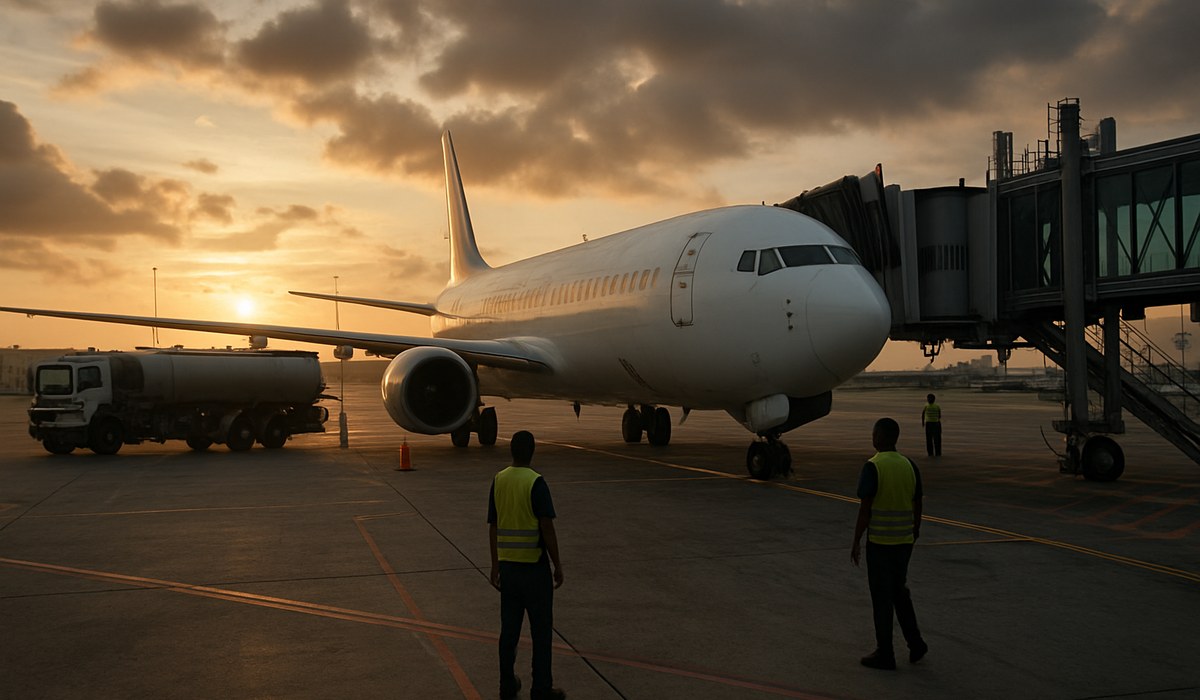
Image generated by AI
Regional Aviation System Faces Unprecedented Fuel Crisis
The Philippines, Vietnam, and broader Southeast Asia are battling a severe jet fuel shortage. Geopolitical tensions in the Middle East have disrupted global petroleum supply chains, forcing regional carriers to reduce flight frequencies and ground aircraft. Major hubs including Manila Ninoy Aquino International Airport (MNL), Ho Chi Minh City Tan Son Nhat (SGN), and Bangkok Suvarnabhumi (BKK) report rationed fuel allocations. Airlines across the Philippines Asia Middle East corridor are implementing emergency protocols as fuel costs spike 40–60% above pre-crisis levels.
The shortage directly traces to refinery capacity constraints and shipping route bottlenecks affecting petroleum products moving from the Middle East to Southeast Asia. This situation marks one of the most disruptive aviation events for the region since 2020. Thousands of passengers face delayed bookings, flight cancellations, and elevated ticket prices as carriers struggle to meet demand within constrained fuel supplies.
How Middle East Tensions Created the Philippines Asia Middle East Supply Chain Crisis
The current shortage stems from heightened instability across Middle Eastern oil-producing regions, the primary source of jet fuel for Southeast Asian markets. Refineries in the Persian Gulf operate below capacity due to infrastructure concerns and shipping uncertainty. Transportation delays have extended fuel delivery timelines from 30 days to 50+ days, creating acute shortages at regional distribution centers.
Carriers operating the Philippines Asia Middle East trade routes now queue for fuel allocations at MNL and SGN. Industry analysts project the disruption will persist through Q2 2026 unless Middle East stability improves. Airlines report that spot-market fuel purchases now consume 25–35% of operational budgets, compared to historical averages of 18–22%. This cost spike forces carriers to make difficult decisions: reduce capacity, raise fares, or absorb losses. IATA released analysis confirming that Southeast Asian operators face the severest regional impact globally.
Affected Airlines Cut Routes and Reduce Flight Schedules
Cebu Air (CEB), Philippines AirAsia (PR), and Vietnam Airlines (VN) have announced immediate capacity cuts. Cebu Air reduced domestic and regional frequencies by 15–20%, affecting routes from Cebu (CEB) to Manila (MNL) and Manila to Davao (DVO). Philippines AirAsia suspended three weekly flights on the Manila–Ho Chi Minh City corridor through May 2026. Vietnam Airlines implemented a 12% fleet-wide schedule reduction, prioritizing intercontinental routes where fares offset fuel costs.
Thai Airways International (TG), operating from Bangkok (BKK), reduced frequencies to secondary cities including Chiang Mai (CNX) and Phuket (HKT). Regional low-cost carriers, dependent on thin margins, face the steepest pressure. AirAsia affiliate carriers across the Philippines Asia Middle East region reported combined revenue losses exceeding $180 million for Q1 2026.
Carriers are now enforcing stricter baggage policies and eliminating fuel surcharge absorption to preserve cash flow. Crew scheduling has become fragmented as aircraft sit idle. The shortage has cascading effects: fewer flights reduce ground crew demand, airport retail revenues decline, and tourism bookings drop. Check real-time schedule updates via FlightAware before confirming any regional travel.
Major Routes Between Philippines, Vietnam, and Southeast Asia Under Pressure
Routes most affected by the fuel shortage include Manila (MNL)–Hong Kong (HKG), Manila (MNL)–Bangkok (BKK), and Ho Chi Minh City (SGN)–Hanoi (HAN). International carriers including Cathay Pacific (CX), Singapore Airlines (SQ), and Malaysian Airlines (MH) reduced frequencies on these corridors. Domestic Philippines routes show higher cancellation rates than international service, as carriers prioritize revenue-yielding longer flights.
Ferry services from the Philippines to nearby islands face collateral pressure as road transport demand surges. Ground transportation costs have risen 25–30% due to fuel costs trickling into bus and taxi operations. Travelers who normally fly between Manila and Cebu now choose 10-hour ferry journeys, creating bottlenecks at port terminals. The Philippines Asia Middle East fuel situation has indirectly created secondary transportation crises.
Regional hubs including Singapore (SIN) and Kuala Lumpur (KUL) serve as diversion points for redirected flights. Hotels near major airports report increased cancellations as travelers rebook flights multiple times. Tour operators have suspended deposits for April–June departures pending stabilization.
Real-Time Flight Tracking and Schedule Verification Resources
Monitor live disruptions through dedicated aviation tracking platforms. FlightAware provides real-time status updates for flights across the Philippines Asia Middle East region, showing delays, gate changes, and cancellations within 2–5 minutes of occurrence. Most Southeast Asian carriers publish updated schedules via their own apps, though information lag remains 6–12 hours behind actual operations.
Passengers should check departure status no less than 24 hours before travel. Airlines publish updated schedules at inconsistent intervals; some update hourly, others daily. Government aviation authorities including the Philippine Civil Aviation Authority (CAAP) and Vietnam's Civil Aviation Authority (CAAV) maintain advisory pages with regional disruption summaries updated twice daily.
Independent flight tracking apps including Flighty and Skyscanner now include fuel shortage alerts for Philippines–Vietnam corridors. Setting up push notifications for your specific flights ensures immediate notice of changes. Contact your airline directly rather than relying solely on automated systems, as agents possess more current information about schedule modifications.
Passenger Rights and Compensation in the Philippines Asia Middle East Zone
The U.S. Department of Transportation published guidelines regarding passenger rights during supply chain disruptions, though these apply primarily to U.S.-operated carriers. Within Southeast Asia, passenger protections vary significantly by country. Philippines carriers operating domestic flights fall under Civil Aviation Authority of the Philippines (CAAP) regulations, which mandate compensation for cancellations exceeding 3 hours, ranging from PHP 5,000–15,000 ($90–275 USD).
Vietnamese carriers must comply with Civil Aviation Authority of Vietnam standards, offering compensation of VND 1.2–3.6 million ($50–150 USD) for significant delays. Thai Airways International follows IATA guidelines, offering meals, accommodation, and rebooking at no cost for disruptions exceeding 12 hours. However, fuel shortages typically qualify as "force majeure" events, exempting carriers from compensation obligations in most jurisdictions.
Travelers carrying refundable tickets receive cash refunds within 30–45 days of cancellation, though processing delays now stretch to 60+ days due to administrative backlog. Non-refundable tickets convert to travel credits valid for 12 months. Airlines across the Philippines Asia Middle East region are overwhelmed with rebooking requests, creating queues of 2,000–4,000 passengers per major hub daily.
Document all communications with airlines via email or app-based messaging. Screenshot confirmation numbers and ticket details. Many carriers are freezing new bookings for June–July travel while managing existing inventory, so early rebooking is advantageous.
| Metric | Current Status (March 2026) | Regional Impact | Carrier Response |
|---|---|---|---|
| Jet fuel allocation vs. demand | 65–70% of pre-crisis levels | Critical capacity gap | Flight frequency cuts 12–20% |
| Fuel cost premium | 40–60% above historical baseline | Margin compression 500–800 basis points | Revenue management emphasis, fare increases |
| Flight cancellations (Philippines–Vietnam routes) | 8–12% daily | 15,000–22,000 affected passengers weekly | Consolidated flights, schedule compression |
| Airport queue times (MNL, SGN, BKK) | 45–75 minutes for check-in | Reduced staff, fewer counters | Longer travel planning windows advised |
| Typical rebooking wait | 21–35 days for confirmed alternate | Customer service bottleneck | Incentive for flexible booking windows |
| Expected disruption timeline | Through May 2026, possible June spillover | Compounding tourism seasonality | Early summer bookings at risk |
What This Means for Travelers: Immediate Actions Required
The Philippines Asia Middle East fuel shortage demands proactive travel planning changes. First, book flights for essential travel only; discretionary trips should defer to July 2026 or later when supply stabilizes. Second, purchase refundable ticket options despite 15–25% premium costs; rebooking uncertainty makes flexibility critical. Third, adjust arrival times: plan for 4-hour buffer windows instead of 2 hours before international flights departing from MNL, SGN, or BKK.
Fourth, confirm flights 48–72 hours before departure rather than the standard 24 hours. Fifth, download airline apps and enable push notifications for your specific flights; email confirmations now lag 12+ hours behind actual status changes. Sixth, book accommodations near departure airports if overnight stays precede early-morning flights, reducing rush-hour transportation variables. Seventh, consider alternative transport for regional trips: ferries from Manila to Cebu, buses from Bangkok to Phuket, or rail services where available bypass aviation delays entirely.
Eighth, verify your passport and visa validity extending 120 days beyond your return date; rebooking often involves date shifts requiring updated travel documents. Ninth, purchase comprehensive travel insurance covering airline delays, cancellations, and cost increases. Tenth, monitor FlightAware and official airline channels daily through your travel window; fuel allocation announcements typically occur 48–96 hours before Friday schedule adjustments affecting the following week.
FAQ: Critical Traveler Questions About the Philippines Asia Middle East Fuel Crisis
Will flights resume normal operations by summer 2026? Regional aviation experts project stabilization by mid-June 2026, contingent on Middle East supply chain recovery. Airlines are requesting fuel allocation increases through May, suggesting normalized schedules depend on geopolitical improvements. However, secondary effects including passenger demand recovery may extend disruptions through July.
How should I rebook a cancelled flight on Philippines–Vietnam routes? Contact your airline's customer service via phone, app, or website within 24 hours of cancellation notice. Philippines Asia Middle East carriers prioritize rebooking within 48–72 hours but queues often extend this timeline. Request alternative carriers or route combinations if your original carrier lacks immediate availability. Refundable ticket holders receive full refunds (30–60 days processing) plus rebooking on competitors at no additional cost.
Are there alternative routes avoiding the Philippines Asia Middle East shortage zones? Yes. Flights routing through Singapore (SIN) or Bangkok (BKK) as hubs often face shorter delays than direct Manila–Ho Chi Minh City service. Slightly longer itineraries reduce individual leg constraints. However, these routes incur higher fares (15–35% premium) and consume 2–4 additional hours of travel time. Evaluate trade-offs based on trip flexibility.
What compensation can I claim for fuel shortage-related delays? Fuel shortages typically qualify as force majeure exemptions under international aviation law, limiting compensation to meal, accommodation, and rebooking services rather than monetary damages. However, if delays exceed 24 hours, Philippines Asia Middle East carriers must provide accommodation and meal vouchers. Document all expenses; some carriers reimburse 50–75% of verified costs post-dispute.
Related Travel Guides
How to Navigate Southeast Asia Flight Disruptions: Passenger Rights and Protections Philippines to Vietnam Ferry Alternatives: When Flights Are Cancelled Southeast Asia Travel Insurance: Coverage for Fuel Shortage Scenarios
Disclaimer
This article is for informational and educational purposes only. It does not constitute legal, financial, or professional advice. While we strive to provide accurate and up-to-date information, travel policies, regulations, and conditions change rapidly. Always verify information with official sources before making travel decisions. Nomad Lawyer makes no representations about the accuracy, reliability, completeness, or suitability of the information provided. Readers should consult qualified professionals for advice specific to their circumstances. The views expressed in this article are those of the author and do not necessarily reflect the views of Nomad Lawyer.
Preeti Gunjan
Contributor & Community Manager
A passionate traveller and community builder. Preeti helps grow the Nomad Lawyer community, fostering engagement and bringing the reader experience to life.
Learn more about our team →