
Philadelphia International Airport Hit by 59 Flight Delays: American, JetBlue, and Southwest Lead Travel Chaos Affecting NYC, Miami, and Chicago
Philadelphia International (PHL) records 59 flight delays with zero cancellations, as American and JetBlue passengers face major travel chaos across the Northeast.

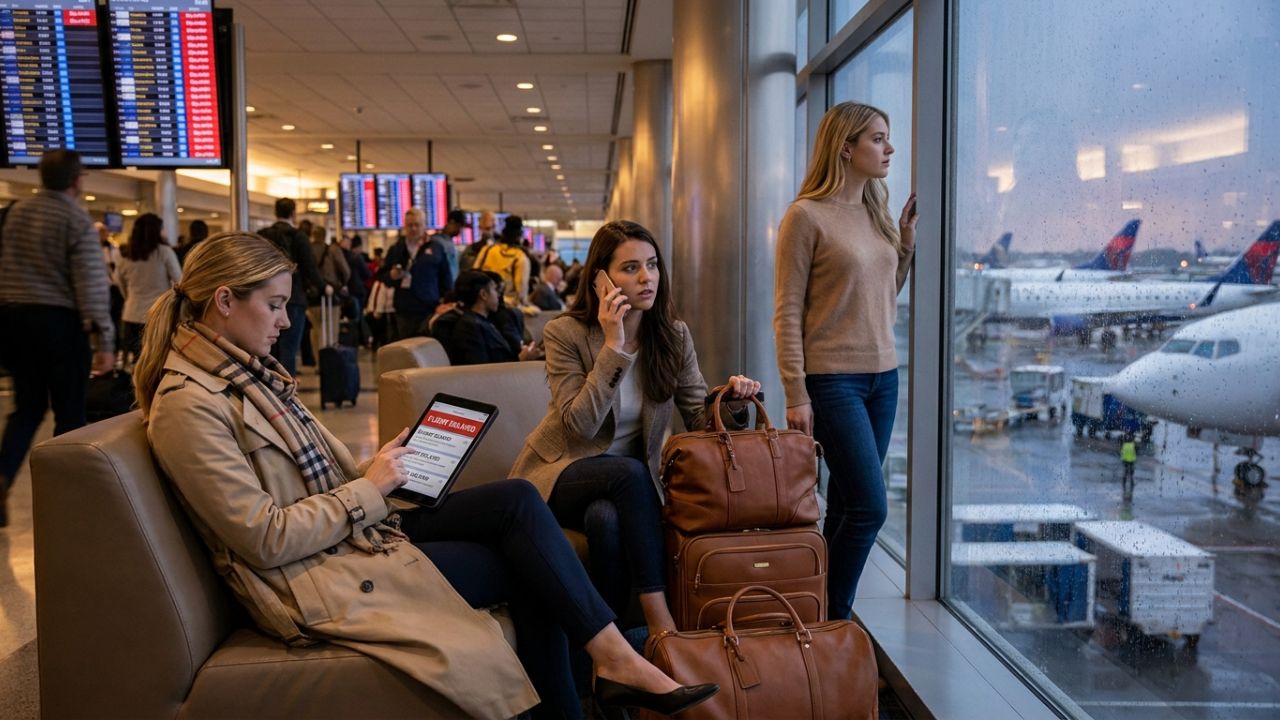
Image generated by AI
In a day defined by operational friction, Philadelphia International Airport (PHL) has become the latest epicenter of travel chaos in the Northeastern United States. A series of escalating airport disruptions on May 15, 2026, resulted in a staggering 59 flight delays, ripple-effecting through major transit corridors to New York City, Miami, Boston, and Chicago. While the facility remarkably managed to avoid any outright flight cancellations, the sheer volume of delayed rotations has left thousands of passengers navigating a landscape of uncertainty and logistical fatigue.
Breaking: Philadelphia Hub Navigates a Deluge of Delays
According to government-validated tracking data, the reporting day at PHL was marked by a relentless sequence of schedule slippages. Despite the lack of cancellations—a testament to the airport's operational resilience and coordination with air traffic control—the cumulative effect of the delays has placed significant strain on regional tourism and transit services.
Major carriers, including American Airlines, JetBlue, and Southwest, were at the heart of the disruptions. While departures and arrivals technically remained on the board, the Department of Transportation has warned that the fallout from such widespread delays can have long-lasting impacts on the industry's punctuality metrics and consumer confidence.
Expanded Overview: The Scale of the Philadelphia Disruption
The scale of the disruption is particularly notable given Philadelphia's role as a critical secondary hub for the Northeast. As the primary gateway for travelers heading to historic landmarks and corporate centers, the aviation updates coming out of PHL are being monitored closely by both leisure and business sectors.
American Airlines, which maintains the largest presence at the airport, bore the brunt of the numerical delays, while JetBlue saw the highest percentage of its daily schedule compromised. For the more than 2,500 passengers indirectly affected, the day was a grueling exercise in patience, highlighted by extended terminal waits and the high-stakes navigation of missed international connections.
Section-Wise Breakdown: Airline Performance Under Pressure
American Airlines and Regional Partners
As the dominant carrier at PHL, American Airlines recorded the single largest disruption count with 31 delayed flights. Its regional partner, Piedmont, was also listed among the affected carriers, alongside PSA Airlines, which saw a 7% delay rate. The sheer volume of American’s operations means that even a minor systemic hiccup at the hub can lead to a cascading wall of delays for those heading to Southern and Midwestern hubs.
JetBlue and Southwest: The Percentage Leaders
While American had more total delays, JetBlue struggled the most with its schedule integrity, posting a significant 25% delay rate. Southwest Airlines followed closely with a 20% disruption rate. For these carriers, which often rely on quick aircraft turnarounds, the congested Northeastern airspace proved to be a major obstacle, forcing hundreds of passengers into "wait and see" scenarios.
United, Frontier, and International Contributors
Carriers like United Airlines and Frontier managed to keep their delay rates relatively low at 3% each. Regional operator Republic Airways posted a 4% rate, while international and niche partners like Jazz and Discover reported one delay each. This segment of the market showed a higher level of punctuality, though the interconnected nature of airport operations meant that no gate was truly immune to the morning’s "creeping delays."
Flight Details and Disruption Matrix
The following table provides the comprehensive breakdown of the delays reported at Philadelphia International Airport (PHL), as verified by federal transportation data.
PHL Airline Delay Statistics: May 15, 2026
| Airline | Total Delays / Delay Rate | Operational Status |
|---|---|---|
| American Airlines | 31 Delays | Largest overall disruption count |
| JetBlue | 25% Delay Rate | Highest percentage of flights affected |
| Southwest Airlines | 20% Delay Rate | Significant impact on leisure routes |
| PSA Airlines | 7% Delay Rate | High-frequency regional impact |
| Republic Airways | 4% Delay Rate | Moderate regional disruption |
| United Airlines | 3% Delay Rate | Minimal impact relative to volume |
| Frontier Airlines | 3% Delay Rate | High punctuality for LCC segment |
| Jazz | 1 Delay | Isolated international disruption |
| Discover | 1 Delay | Isolated international disruption |
Note: Total Flight Cancellations at PHL during this reporting period: 0.
Passenger Impact: Missed Connections and Tourism Fatigue
The human cost of the 59 delays at PHL is estimated to have impacted over 2,500 travelers. For those with time-sensitive itineraries, such as business travelers heading to the Pennsylvania Convention Center, the delays resulted in renegotiated meetings and lost productivity.
In the tourism sector, which is a cornerstone of the Philadelphia economy, the delays have a measurable cooling effect. Organizations like Visit Philadelphia emphasize that reliable air service is essential for maintaining the inflow of visitors to sites like Independence Hall. Economic modeling suggests that each percentage point of delay correlates with a dip in local spending on dining, shopping, and accommodations, as visitors spend more time in terminals and less time in the city.
Industry Analysis: The Root of Northeastern Gridlock
Aviation experts cite a "perfect storm" of factors that routinely converge to disrupt PHL operations. While specific causes for yesterday’s delays were not individual flights, the FAA’s Bureau of Transportation Statistics highlights several recurring operational variables:
- Congested Airspace: The proximity to the New York metroplex creates a "bottleneck" that ripples down to Philadelphia.
- Seasonal Weather Patterns: Changing spring weather in the Northeast often necessitates increased ATC spacing.
- Crew Scheduling: Tight turnaround times for regional crews can lead to "cascading delays" if one flight is held up.
- ATC Sequencing: Air Traffic Control must prioritize long-haul arrivals, often leaving regional departures in holding patterns.
Conclusion: A Push for Systemic Punctuality
The latest airline news from Philadelphia highlights a critical need for continued investment in air traffic control and ground operation technology. While the lack of flight cancellations is a victory for operational safety, the high volume of delays suggests that the system is currently operating at its limit. As travel volumes return to pre-COVID levels, federal and private partnerships must focus on alleviating the "bottlenecks" that peak during these surges.
For the thousands of passengers moving through PHL, the message is clear: maintain a consistent line of communication with your carrier and always allow for a conservative buffer on your connections.
Key Takeaways
- Total Disruptions: 59 flight delays recorded at PHL; 0 cancellations.
- Top Affected Carrier: American Airlines posted 31 delays.
- Highest Delay Rate: JetBlue flights were disrupted at a 25% rate.
- Passenger Toll: Over 2,500 travelers were indirectly affected by the schedule shifts.
- Impacted Routes: Major disruption for those flying to NYC, Miami, Boston, and Chicago.
- Operational Outlook: FAA underscores the need for updated ATC technology to manage peaking traffic surges.
Related Travel Guides
Disclaimer
This article is for informational and educational purposes only. It does not constitute legal, financial, or professional advice. While we strive to provide accurate and up-to-date information, travel policies, regulations, and conditions change rapidly. Always verify information with official sources before making travel decisions. Nomad Lawyer makes no representations about the accuracy, reliability, completeness, or suitability of the information provided. Readers should consult qualified professionals for advice specific to their circumstances. The views expressed in this article are those of the author and do not necessarily reflect the views of Nomad Lawyer.
Kunal K Choudhary
Co-Founder & Contributor
A passionate traveller and tech enthusiast. Kunal contributes to the vision and growth of Nomad Lawyer, bringing fresh perspectives and driving the community forward.
Learn more about our team →